
Supreme Court of the United States
The highest federal court in the U.S.; it leads the judicial branch, interprets the Constitution, resolves legal disputes of national importance, and sets binding precedent for all other courts.
Overview
The Supreme Court is the highest judicial body in the United States. It heads the Judicial Branch of the federal government and is the only federal court explicitly created by the U.S. Constitution. Its rulings establish binding precedent that lower federal and state courts generally follow, making the Court a central institution in American law and government.
Image gallery
10 Images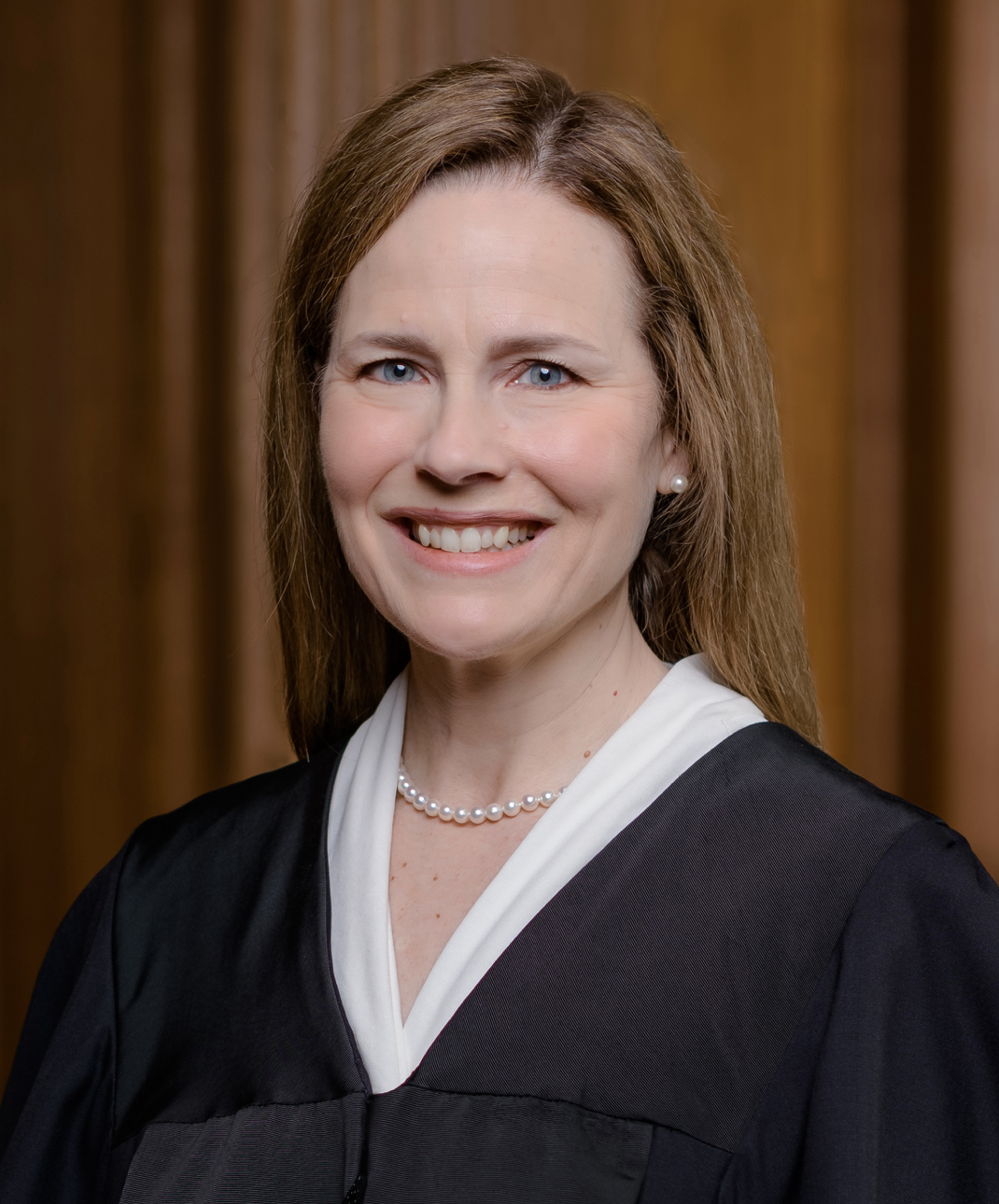
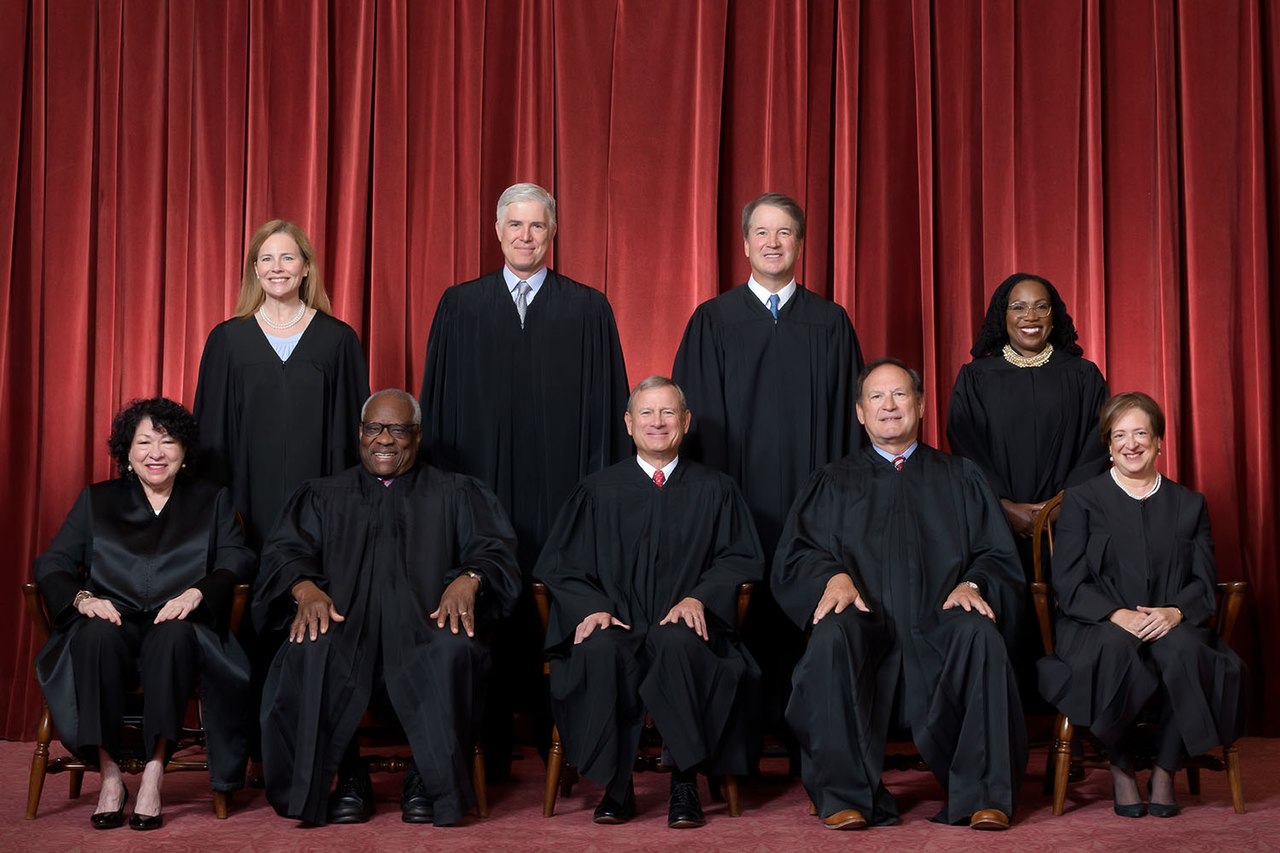


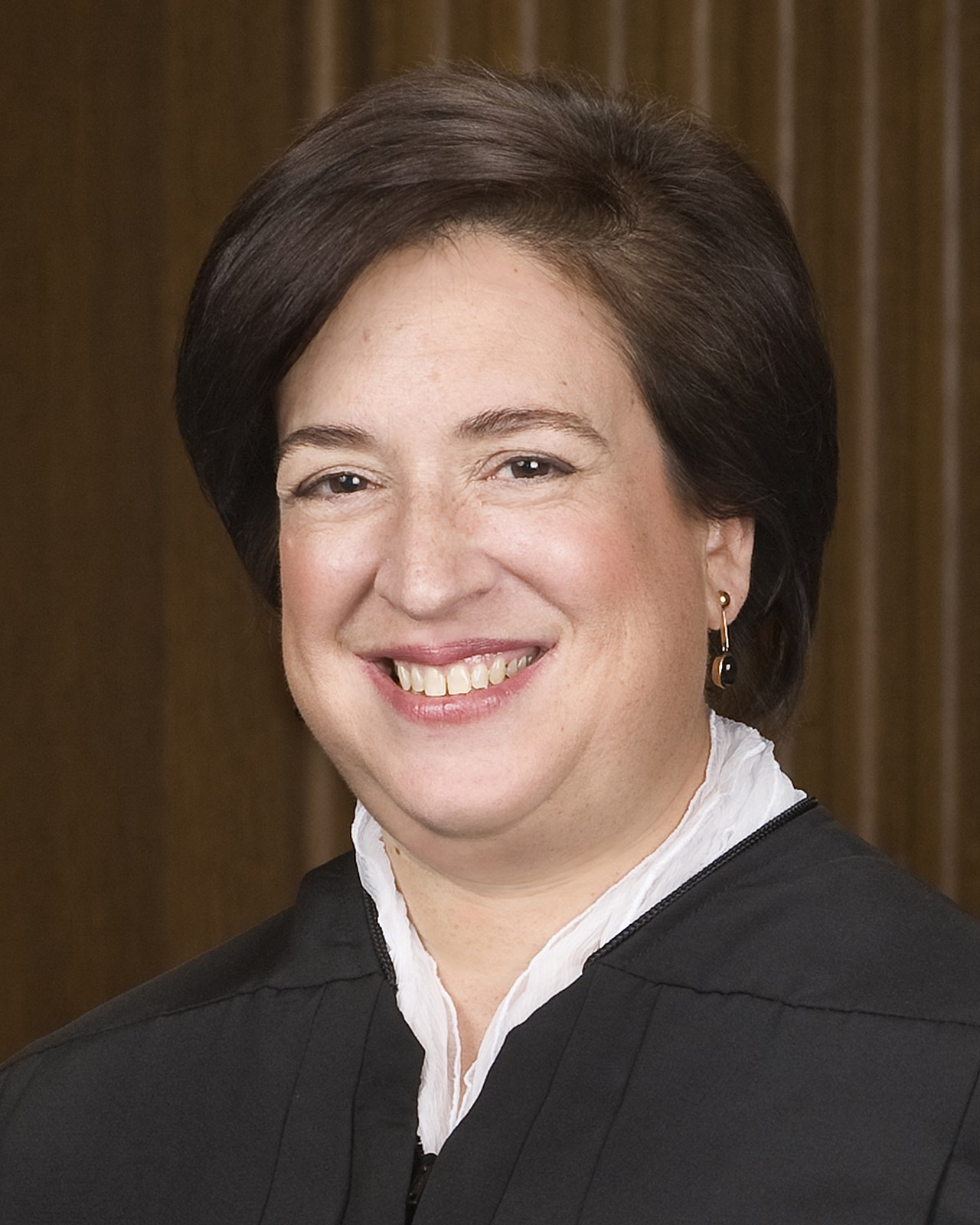

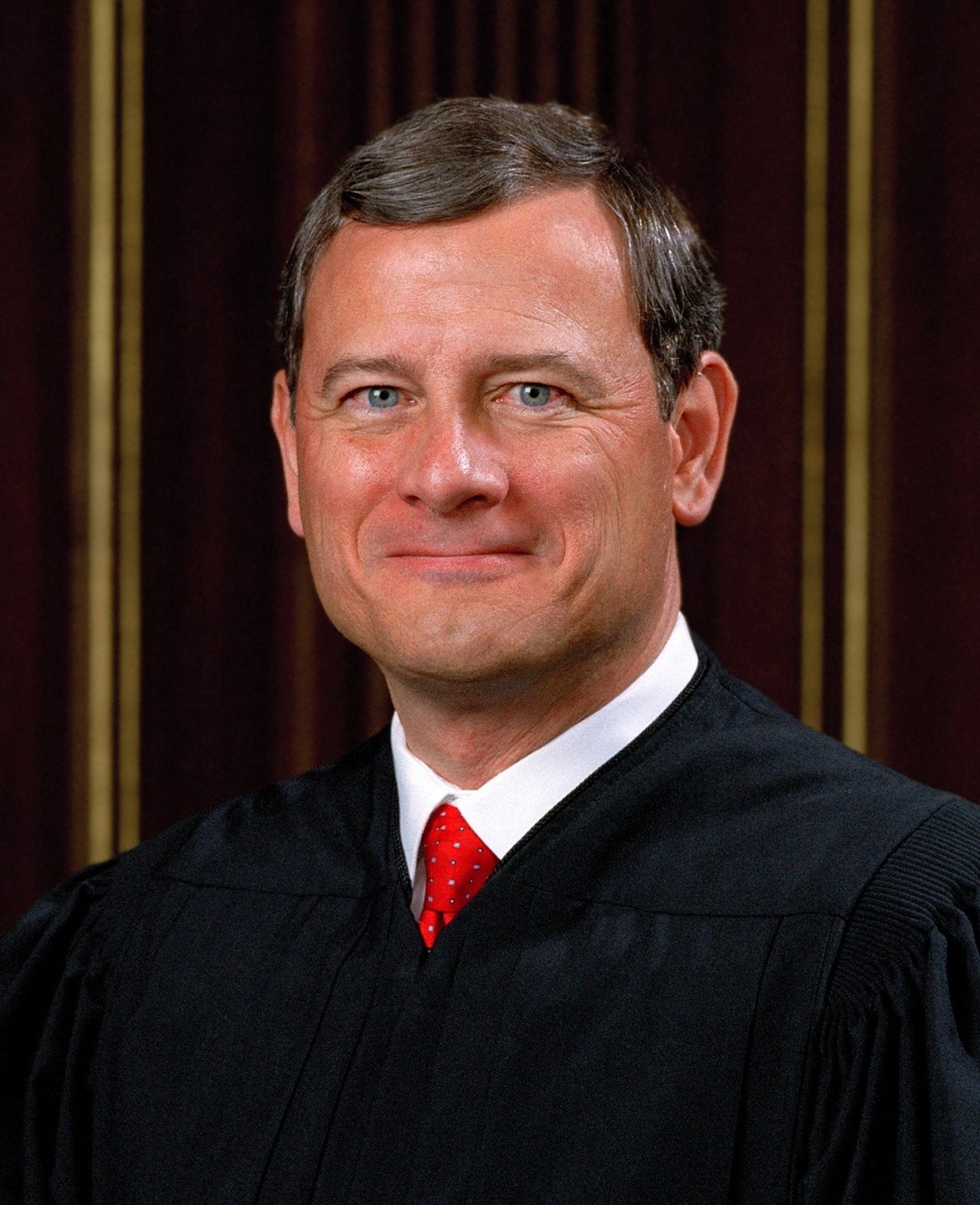



Composition and powers
The Court normally consists of nine justices who hear cases, write opinions, and issue final decisions on matters of federal and constitutional law. Justices are nominated by the President and confirmed by the Senate; they serve lifetime appointments "during good behaviour," which means they may remain on the bench until they retire, resign, die, or are impeached and removed. The Court has both appellate jurisdiction over most federal and state cases that raise federal questions and limited original jurisdiction in a small class of disputes.
Functions and process
The Court primarily reviews cases by granting certiorari, a discretionary process that selects a small number of petitions for full briefing and oral argument each term. When a case is heard, the justices consider written briefs, listen to oral arguments, and meet in private conferences to vote. Opinions explain the Court's reasoning and may include majority, concurring, and dissenting opinions; these writings guide lower courts and shape legal doctrine.
History and location
The institution traces its authority to the Constitution and early federal laws that organized the judiciary. Historically the Court met in the United States Capitol before moving to its own purpose-built home. The present Supreme Court building in Washington, D.C. has housed the Court since the early 20th century. Over time the Court's role grew through decisions that established doctrines such as judicial review, which empowers it to assess the constitutionality of legislative and executive actions.
Importance and typical subject matter
The Court decides cases that affect civil rights, federal powers, criminal law, regulatory regimes, and the interpretation of constitutional provisions. Its rulings can have wide social and political consequences. Because it handles a limited docket, the Court selects cases that often resolve significant legal conflicts, fill gaps in the law, or settle disputes between lower courts.
Notable features and distinctions
- Only federal court created directly by the Constitution.
- Decisions create binding precedent for the entire U.S. judiciary.
- Justices enjoy life tenure but may retire and sometimes continue influence through senior opinions or written memoirs.
- Procedural tools include certiorari, oral argument, and the publication of majority and dissenting opinions.
The Court's docket, membership, and rulings attract sustained public attention because they shape the application of law across the nation and define the contours of constitutional governance.
Related articles
Author
AlegsaOnline.com Supreme Court of the United States Leandro Alegsa
URL: https://en.alegsaonline.com/art/95124