
Voting Rights Act of 1965
Landmark U.S. civil rights law that banned discriminatory voting practices, established federal enforcement tools including preclearance, and expanded protections for minority and language groups.
The Voting Rights Act of 1965 is a landmark federal statute enacted to protect citizens' right to vote by outlawing practices that discriminated on the basis of race or language minority status. It responded to entrenched barriers—such as poll taxes and literacy requirements—that had been used in some states to exclude African Americans and other groups from the electoral process. The Act combined statutory prohibitions with federal enforcement mechanisms to make voting more accessible across covered jurisdictions. For the law's text and legislative history, see official text.
Image gallery
9 Images


Key provisions and mechanisms
- Prohibition of discriminatory tests and devices: The Act made it illegal to use literacy tests, poll taxes, and similar devices that were applied to deny or abridge the right to vote. Historic examples include the use of such devices to suppress participation by African-Americans; for background, see discussions of literacy tests and poll taxes.
- Section 2: A nationwide prohibition on voting practices or procedures that have the purpose or effect of discriminating against voters on account of race, color, or membership in a language minority group.
- Preclearance (Sections 4 and 5): Certain jurisdictions with documented histories of discrimination were subject to a coverage formula and required federal approval before changing voting laws or practices. This federal review aimed to prevent backsliding in places with patterns of disenfranchisement.
- Federal observers and examiners: The Act authorized federal officials to monitor registration and elections and to step in where local officials denied registration or used discriminatory procedures.
Historical context and passage
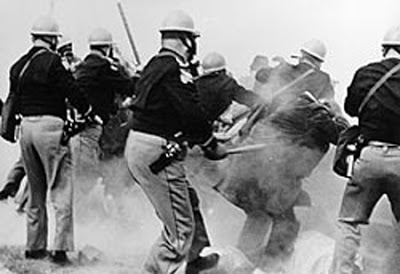
The Act was passed amid the Civil Rights Movement after decades of discriminatory state and local voting rules, and amid dramatic events such as the Selma to Montgomery marches that highlighted violent resistance to Black enfranchisement. The federal law reflected bipartisan congressional action and was signed by President Lyndon B. Johnson. It built on constitutional protections but provided specific remedies and enforcement powers that could be applied where constitutional challenges had proved slow or inadequate.
Impact, amendments, and scope
Following its passage, the Act contributed to substantial increases in voter registration and the election of minority public officials in many jurisdictions. Congress later amended the law several times to extend and refine protections, including provisions addressing language minorities and extending the duration of special measures. Those legislative updates reinforced the Act's role in promoting equal access to the ballot and civic participation in the United States.
Contemporary issues and legacy
The Voting Rights Act remains central to debates about access to the ballot, federalism, and how to balance state election authority with protection against discrimination. Key provisions have been subject to judicial review and political debate, and modern issues include challenges to preclearance formulas, disagreements over voter-identification rules, and efforts to ensure language access for eligible voters. For broader context on voting rights and civil rights history, see resources on voting rights.
The law's legacy endures in its framework for identifying and remedying discriminatory practices, its influence on subsequent civil rights legislation, and its continuing role as a tool for voters, advocates, and courts seeking to secure equal participation in elections.
Related articles
Author
AlegsaOnline.com Voting Rights Act of 1965 Leandro Alegsa
URL: https://en.alegsaonline.com/art/105944