
National Association for the Advancement of Colored People (NAACP)
Founded in 1909, the NAACP is a long-standing U.S. civil rights organization that uses legal action, advocacy, education, and grassroots organizing to advance racial equality and protect voting and civil rights.
The National Association for the Advancement of Colored People (NAACP) is one of the oldest and most prominent civil rights organizations in the United States. Established in 1909 in response to anti-Black violence and discriminatory laws, the NAACP was created to secure the political, educational, social, and economic equality of rights for African Americans and to eliminate race-based discrimination.
Image gallery
10 Images


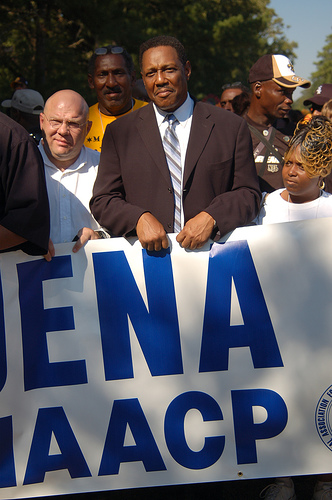
Mission and methods
The NAACP advances civil rights through a mix of strategies including litigation, public education, legislative advocacy, voter mobilization, and grassroots organizing. Its work ranges from high-profile court cases to local branch activity: legal challenges seek to overturn discriminatory laws and practices, while campaigns and community programs focus on issues such as voting rights, criminal justice reform, education equity, health disparities, and economic opportunity.
Organization and activities
The NAACP operates with a national office, state conferences and local branches, plus youth and college chapters that engage younger activists. Historically it has published materials to inform public debate and rally support; notable media efforts include periodicals and public events. The organization also recognizes achievements in arts and public life through initiatives like awards that highlight contributions by people of color.
Historical significance
From its interracial founding coalition of activists, scholars and attorneys, the NAACP played a central role in early- and mid-20th century civil rights work. Its legal staff and allied lawyers argued and won landmark cases that challenged segregation and voting restrictions. Leaders and legal advocates associated with the organization — including prominent figures who later served in public office and on the federal bench — shaped American civil rights law and policy.
Contemporary relevance
Today the NAACP continues to address systemic inequality at national and local levels. It organizes voter registration and protection drives, lobbies for anti-discrimination laws, monitors policing and criminal justice practices, and supports educational and economic initiatives. The association also collaborates with other civil rights groups and community partners to respond to new challenges and to sustain long-term reform efforts.
Notable facts and resources
- The NAACP has maintained a network of local branches that provide advocacy and services in communities across the country.
- Its legal efforts contributed to major civil rights victories and influenced national policy debates.
- For official information on programs, history and volunteer opportunities, see the NAACP website.
Related articles
Author
AlegsaOnline.com National Association for the Advancement of Colored People (NAACP) Leandro Alegsa
URL: https://en.alegsaonline.com/art/68539
Sources
- naacp.org : Five Reasons to Join the NAACP
- charitynavigator.org : Charitynavigator.org