
John Laird Mair Lawrence, 1st Baron Lawrence — British administrator in India
Sir John Lawrence (1811–1879), known as Lawrence of the Punjab, was a senior British colonial administrator who served as Lieutenant‑Governor of the Punjab and Viceroy of India, noted for fiscal prudence and consolidation.
Sir John Laird Mair Lawrence (4 March 1811 – 27 June 1879), often called Lawrence of the Punjab, was a senior British administrator in British India. He rose to prominence as the civil head of the Punjab and later served as Viceroy of India from 1864 to 1869. Lawrie’s tenure is remembered for efforts to restore and maintain order after the upheavals of the 1850s and for policies that emphasized fiscal discipline and administrative consolidation.
Image gallery
7 Images

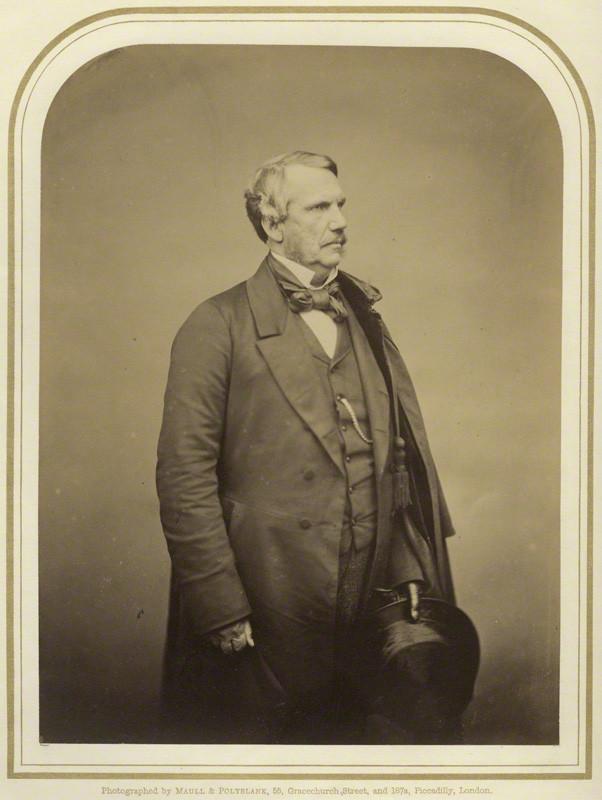


Career and administrative roles
Lawrence made his career in the imperial civil service and was appointed Lieutenant‑Governor of the Punjab, where he administered a recently annexed and strategically important province. His leadership there prioritized efficient revenue collection, public works, and the strengthening of local institutions. In 1864 he became Viceroy and Governor‑General of India, a post he held until 1869, overseeing imperial governance at a time of political readjustment and debate over frontier policy.
Policies and approach
Contemporaries and later historians have described Lawrence’s style as cautious and pragmatic. He favored financial restraint, improvements in civil administration, and measured intervention in frontier affairs. He supported road and canal projects intended to boost agriculture and commerce in the Punjab and elsewhere, and he sought to professionalize provincial administration while avoiding rapid political experiments that might unsettle stability.
Notable facts and legacy
- He was created 1st Baron Lawrence after his viceroyalty, a recognition of his long service to the empire.
- Lawrence was the younger brother of Sir Henry Lawrence, another prominent colonial administrator who became notable during the 1857 uprising.
- The public park known historically as the Lawrence Gardens in Lahore later became Bagh‑e‑Jinnah; the name reflects the colonial-era association with his administration.
- As Viceroy he worked with the British cabinet and with other senior officials to navigate post‑1857 reform and to define imperial priorities; some of his decisions remain subjects of historical discussion.
Today Lawrence’s career is studied as part of the larger history of British colonial administration in South Asia. His record illustrates the tensions faced by administrators who sought stability through conservative reform, and his name survives in place‑names and institutional histories across the region. For further reading on related figures and institutions, see entries on the Viceroyalty of India, the administrative history of the Punjab, and biographical summaries of prominent colonial officers available through major reference works and archives on British India.
Related articles
Author
AlegsaOnline.com John Laird Mair Lawrence, 1st Baron Lawrence — British administrator in India Leandro Alegsa
URL: https://en.alegsaonline.com/art/50709