
Jane Austen: Life, Works, and Literary Legacy
Overview of Jane Austen (1775–1817), her life, major novels, themes, publication history, and enduring influence on the English novel and popular culture.
Jane Austen (16 December 1775 – 18 July 1817) was an English novelist whose small but influential body of fiction helped define the modern novel in English. Her narratives combine precisely observed social detail, irony, and a concern with characters' moral choices and social position. Austen wrote primarily about the English landed gentry and the domestic concerns of women in the late 18th and early 19th centuries, and she remains widely read and adapted in many forms.
Image gallery
10 Images






Life and background
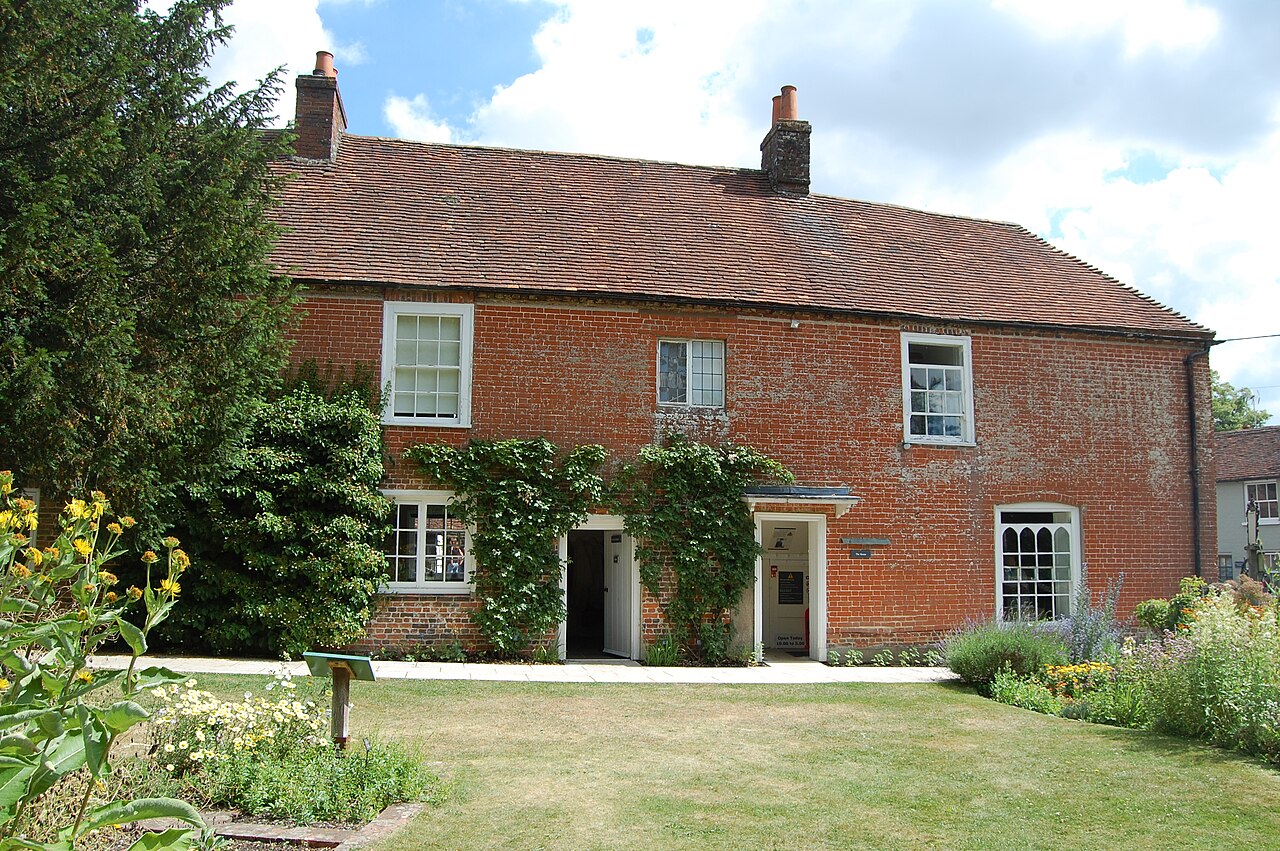
Austen was born in the village of Steventon in Hampshire and grew up in a close family that encouraged reading, writing, and discussion. Much of her early education was informal, provided by family members and by avid personal reading, and she began composing stories and juvenilia in adolescence. In adulthood she experienced periods of relocation with her family, including moves to Bath and later to the village of Chawton, where she completed or revised several of her mature novels. Her brother Henry assisted with the publication of some works after her death. For readers seeking biographical context, see biographical summaries and archival references such as family letters.
Major works and publication
Austen's six principal completed novels, written between the late 1790s and 1816, address courtship, marriage, and social mobility through tightly plotted plots and witty narrative voice. Important titles include:
- Sense and Sensibility (1811) — a study of temperament and economic pressures; see further notes
- Pride and Prejudice (1813) — her most famous novel, noted for its dialogue and central courtship story; more at textual introductions
- Mansfield Park (1814) — a more serious moral drama; contextual discussion at scholarly commentary
- Emma (1815) — a comic study of matchmaking and self-deception; see critical essays
- Northanger Abbey and Persuasion — published posthumously in 1817, the former a satire of gothic fiction and the latter a reflective, mature romance; introductions at Northanger notes and Persuasion notes
She also wrote earlier or fragmentary works such as Lady Susan, The Watsons, and the unfinished Sanditon. For manuscript histories and editions see textual histories and editorial records.
Themes, style, and significance
Austen is known for irony, free indirect discourse (a narrative technique that blends narrator and character voice), and a focus on everyday social interactions. Her novels critique excessive sentimentality, probe the economic and legal realities affecting women's options, and examine the ethics of behavior and social duty. Readers often note her combination of wit and moral seriousness; for thematic overviews consult academic summaries and collections of criticism at critical anthologies.
Reception, adaptations, and influence
During her lifetime Austen achieved modest commercial success; several novels were published anonymously. Her reputation grew in the 19th and 20th centuries, and she became a canonical figure in English literature. Austen's works have generated a rich tradition of scholarship, stage and screen adaptations, sequels, and reinterpretations. Popular adaptations and critical editions are catalogued in many bibliographies and fan resources such as adaptation lists and filmographies. For explorations of her cultural afterlife, see studies of adaptation and reception histories.
Publication details and textual transmission
Only four novels were published during Austen's life; two others appeared shortly after her death accompanied by a biographical note compiled by her brother. Her manuscripts were revised extensively, and modern editions rely on careful textual scholarship to represent both first publications and authorial revisions. Libraries and scholarly projects maintain editions and correspondence collections—use resources at manuscript archives and critical editions for authoritative texts.
Legacy and notable facts
Austen's compact oeuvre has had an outsized role in discussions about gender, genre, and the history of the novel. She is often taught as an exemplar of realism and comic irony, and her work continues to inspire debate among readers and scholars. For introductory materials and reading guides see reading guides, teaching resources, and collections of letters and documents at archival collections. Additional scholarly contexts and contemporary perspectives can be found through academic portals, bibliographic databases, and curated exhibitions at museum or library exhibits. For biographical summaries and timelines consult concise biographies.
Questions and answers
Q: Who was Jane Austen?
A: Jane Austen was an English novelist who wrote many books of romantic fiction about the gentry. She is now one of the most famous and beloved writers in English literature, and is considered to be one of the great masters of the English novel.
Q: When was she born?
A: Jane Austen was born on 16 December 1775 at Steventon, near Basingstoke.
Q: What did her works criticize?
A: Her works criticized sentimental novels in the late 18th century, and were part of a change to nineteenth-century realism.
Q: How did her stories depict women's lives?
A: Her stories often depicted how women depended on marriage for social standing and economic security.
Q: Where did she live when her father retired?
A: When her father retired in 1801, they moved to Bath. After he died in 1805, she moved around with her mother before settling in Chawton near Alton, Hampshire in 1809.
Q: How many novels were printed while she was alive?
A: Only four of her novels were printed while she was alive; Sense and Sensibility (1811), Pride and Prejudice (1813), Mansfield Park (1814) and Emma (1815). Two other novels, Northanger Abbey and Persuasion, were printed in 1817 with a biographical notice by her brother Henry Austen.
Q: What did Jane Austen say about her own genius?
A: Jane Austen was very modest about her own genius; famously describing it as "the little bit (two Inches wide) of Ivory, on which I work with so fine a brush, as produces little effect after much labor".
Related articles
Author
AlegsaOnline.com Jane Austen: Life, Works, and Literary Legacy Leandro Alegsa
URL: https://en.alegsaonline.com/art/49394