
Pride and Prejudice: Jane Austen's novel, themes, and adaptations
A concise encyclopedia overview of Jane Austen's Pride and Prejudice: publication, characters, themes, narrative style, historical context, and notable stage, TV and film adaptations.
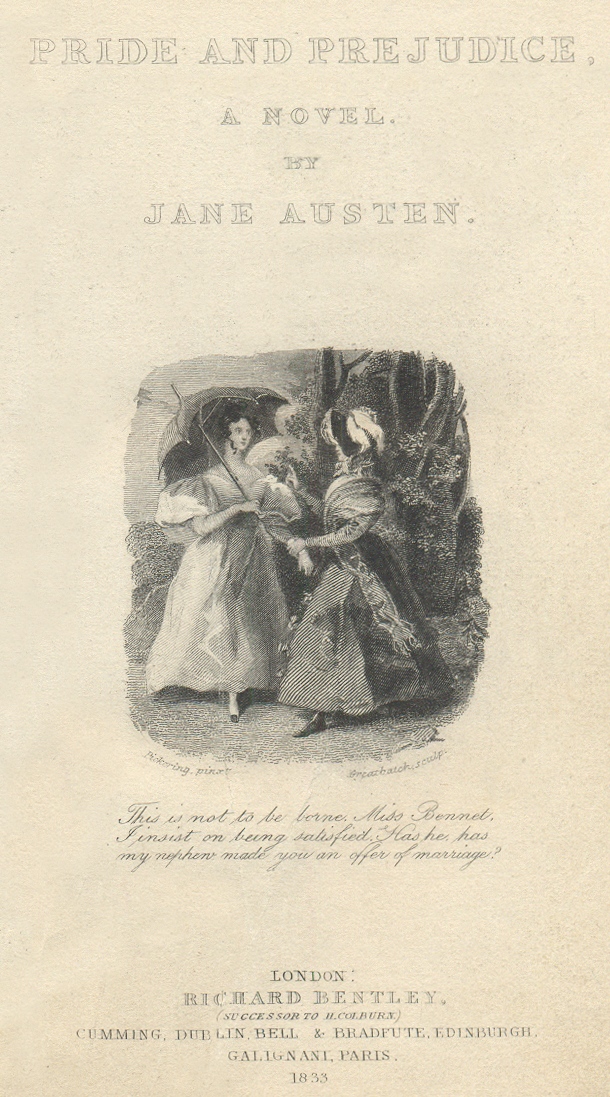
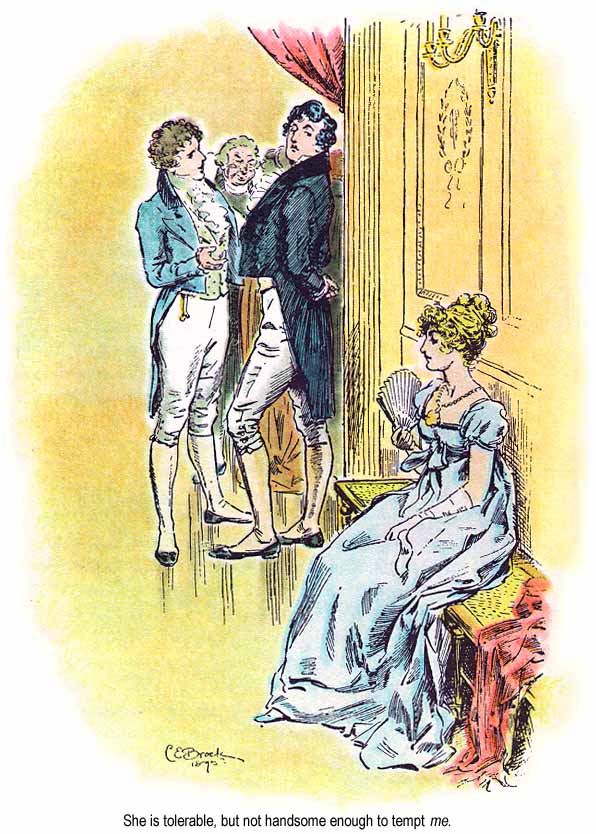
Pride and Prejudice is a novel by Jane Austen first published in 1813. Originally written in the late 1790s under the working title First Impressions, it appeared publicly as the work of "a Lady." The book is set in rural England during the Regency era and follows the social life and romantic developments of the Bennet family, especially the intelligent and outspoken Elizabeth Bennet.
Image gallery
10 Images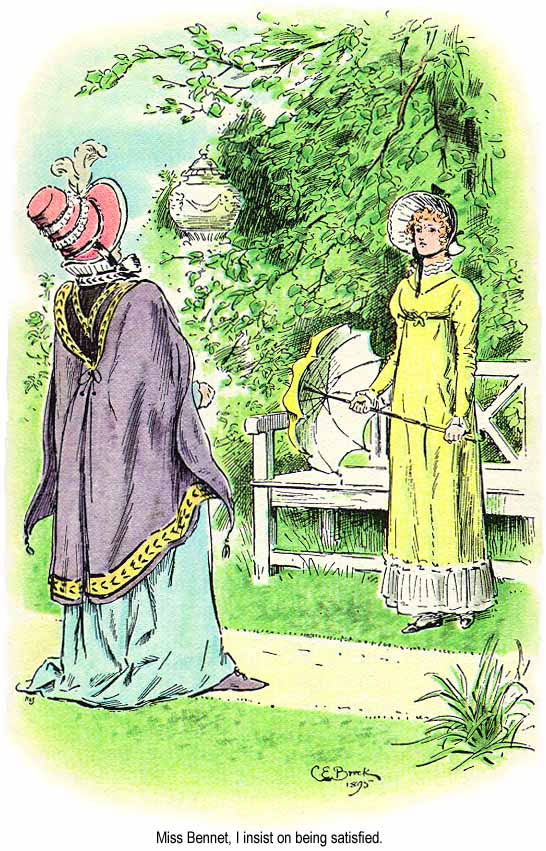


Setting, publication and form
The story is grounded in social conventions of early 19th-century Britain: class distinctions, marriage as an economic and social arrangement, and the limited roles available to women. Austen's narrative is notable for its ironic voice and use of free indirect discourse, which allows close access to characters' thoughts while maintaining a wry, third-person perspective. The novel was published in three volumes and quickly gained popularity, becoming one of Austen's most celebrated works.
Main characters and structure
- Elizabeth Bennet — the novel's perceptive heroine, known for wit and moral independence.
- Mr. Fitzwilliam Darcy — a wealthy landowner whose reserved manner masks pride and capacity for change.
- The Bennet family — parents and four sisters, whose prospects and marriages drive much of the plot.
- Supporting figures — including friends, neighbors, and social rivals who illuminate class and character.
The plot combines courtship, misunderstanding, and revelations: characters grow by confronting personal prejudices and social pressures. Austen balances romance with social satire, making the novel both a love story and a critique of its world.
Themes, style and importance
Major themes include pride, prejudice, marriage, social mobility, and moral growth. Austen's economical prose, sharp dialogue, and emphasis on character development contributed to the novel's lasting appeal. Scholars often point to its nuanced portrait of social manners and its subtle moral commentary as reasons for its continued study and enjoyment.
Adaptations and cultural legacy
The novel has inspired numerous adaptations across media. Notable screen versions include a 1940 film, a well-known BBC television serial in 1995, an earlier BBC production in 1980, and a popular 2005 film adaptation. Stage, radio and modern retellings abound, reflecting the story's adaptability to different times and tastes.
For further reading or editions, see Pride and Prejudice and resources about Jane Austen. For information on televised productions consult BBC adaptations. For details on contemporary film versions see modern film adaptations.
Related articles
Author
AlegsaOnline.com Pride and Prejudice: Jane Austen's novel, themes, and adaptations Leandro Alegsa
URL: https://en.alegsaonline.com/art/79003