
Sentimentality: emotional excess in literature, art, and everyday life
Sentimentality is the use or expression of emotion that is disproportionate, contrived, or manipulative. This article explains its features, history, uses, criticism, and how it differs from genuine feeling.
Overview
Sentimentality denotes an appeal to emotion that feels excessive, simplified, or contrived. In art and rhetoric it is a device meant to make people respond emotionally; when overused or unearned it is judged sentimental rather than moving. Critics often contrast sentimental effects with more restrained, complex portrayals of feeling. For discussion of emotional appeal as a technique, see emotional persuasion and response.
Image gallery
1 Image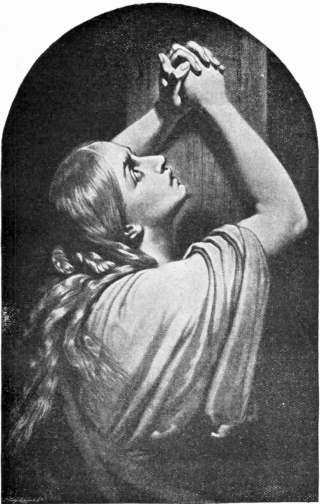
Characteristics
Several markers commonly identify sentimental expression: a disproportion between the situation and the emotional response; reliance on familiar tropes or stock scenes; musical or visual cues designed to trigger tears; moral simplification; and shallow characterization whose primary purpose is to elicit sympathy. These features can appear separately or together and may be explicit or subtle.
- Disproportionate or exaggerated feeling;
- Use of clichés and stock scenarios (reunions, dying animals, sacrificial gestures);
- Emotional manipulation through music, camera work, or melodramatic language;
- Reduction of moral complexity in favor of simple, reassuring messages.
History and development
The word originally meant simply feeling; in earlier centuries displays of sensibility were often praised as signs of virtue. From the 18th century onward, however, literary sentimentalism became a recognizable mode in novels and letters, and by the 19th century the term began to acquire a negative sense of sentiment gone awry. Over time critics and theorists sharpened the distinction between genuine emotional depth and sentimental excess.
Uses and examples
Sentimentality appears across genres and media: in novels, plays, popular film, television, advertising, and political rhetoric. It can be effective—briefly mobilizing compassion or sympathy—and is often used to humanize issues or sell products. Yet when emotion substitutes for argument, character development, or verisimilitude, audiences and critics tend to reject it as insincere or manipulative.
Criticism and distinction from genuine feeling
Writers and critics have long warned against sentimental shortcuts. Oscar Wilde famously quipped about anyone seeking the experience of an emotion without its cost; similarly, some poets and thinkers have said sentimentality tricks the self as well as others. See observations on sentimentalism and rhetoric. The key distinction is whether emotion arises organically from concrete detail and complexity, or whether it is produced by formulaic devices aimed chiefly at stirring the audience.
Evaluating sentimentality
To judge whether an instance is sentimental or genuinely moving, ask whether feelings are earned by context, whether characters retain ambiguity, and whether the work invites reflection rather than mere release. While often criticized, sentimentality can also reflect shared cultural values or function as an accessible form of empathy; assessment depends on intent, craft, and the expectations of audience and genre.
Related articles
Author
AlegsaOnline.com Sentimentality: emotional excess in literature, art, and everyday life Leandro Alegsa
URL: https://en.alegsaonline.com/art/88875