
Northanger Abbey
A compact, balanced overview of Jane Austen's Northanger Abbey: its story, characters, themes, publication history, and cultural legacy, with notes on its satire of Gothic fiction.
Overview
Northanger Abbey is a novel by Jane Austen completed early in her career and later published after her death. Austen originally wrote an early version under the title "Susan," and the finished book combines elements of coming-of-age fiction and pointed comedy. The work is best known for gently mocking the popular Gothic novels of its time while also portraying the social world of late 18th- and early 19th-century England. For a concise introduction, see Northanger Abbey overview.
Image gallery
6 Images
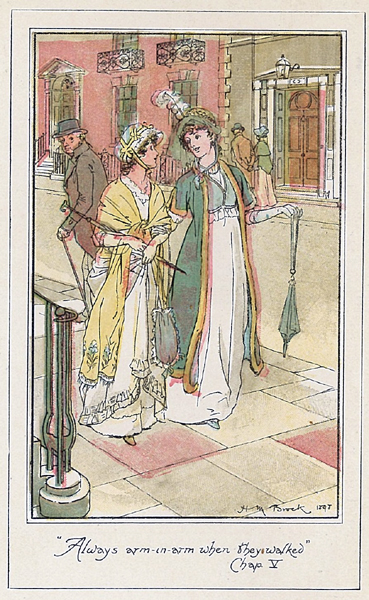


Plot and principal characters
The story follows Catherine Morland, a young woman of modest means who learns about herself and society through friendships and romantic entanglements. Much of the action takes place in Bath and at the house that gives the novel its name. Austen uses Catherine's imagination and naiveté to explore how reading and reality interact.
- Catherine Morland — the heroine; earnest, inexperienced, and fond of novels.
- Henry Tilney — witty, perceptive, and Catherine's eventual love interest.
- Eleanor Tilney — Henry's sensible sister and Catherine's friend.
- Isabella and John Thorpe — foils who display vanity and self-interest.
- General Tilney — authoritarian head of the household at Northanger.
Themes and literary style
Northanger Abbey operates on several levels: as a satire of Gothic conventions, as a novel of manners that examines social standing and courtship, and as a bildungsroman tracing moral and emotional development. Austen deploys irony and free indirect discourse to reveal character and to poke fun at sensational fiction, while still creating sympathetic portraits of ordinary people. For discussion of its parodic elements, consult studies of Gothic parody.
Publication history and reception
Although Austen finished the book early in her writing life, it was not printed until after she died; it appeared in 1817 paired with Persuasion. Early critics sometimes dismissed the novel as light, but later readers and scholars have prized its subtle critique of taste, genre, and gendered expectations. Biographical and bibliographical notes can be found via publication details and on pages about Jane Austen.
Legacy and adaptations
Northanger Abbey has inspired stage plays, films, television adaptations, and countless essays exploring its relationship with Gothic fiction and popular reading. Its combination of humor, social observation, and a sympathetic heroine helps explain why it remains a frequent subject of teaching and adaptation. Further resources and modern editions are available at reader resources.
Related articles
Author
AlegsaOnline.com Northanger Abbey Leandro Alegsa
URL: https://en.alegsaonline.com/art/70987