
Retirement: stages, planning, and social aspects
Retirement is the transition away from paid employment. This article explains common reasons, financial and health considerations, types of retirement, historical development, and social effects.
Overview
Retirement is the phase of life when a person largely leaves the labor force and reduces or ends paid employment. Many people choose to stop working when they reach a customary age, after a long career, or when circumstances make continued employment difficult. The moment someone retires varies by country, profession and individual preference.
Image gallery
4 Images

Reasons and typical paths
People retire for several reasons: reaching an age threshold, completing career goals, health problems, caregiving duties, or simply a desire for different life priorities. Some continue in lighter roles or part-time work rather than fully withdrawing; this pattern is often described as semi-retirement. Others retire early by design, while some are forced to leave work because of accident or illness.
Financial and legal considerations
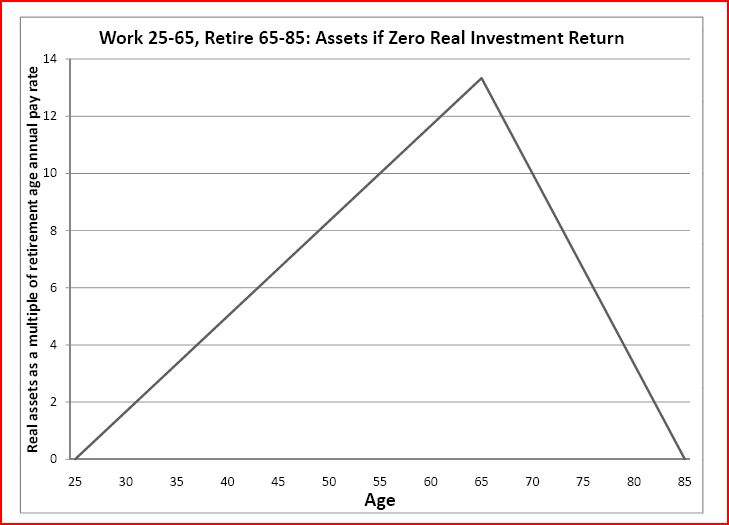
Financial planning is central to retirement. Common income sources after leaving work include public pensions, employer pensions, personal savings and investments. Legal rules about eligibility, benefit amounts and tax treatment differ widely between jurisdictions. Planning typically considers how long savings must last, expected healthcare costs, and access to benefits.
Social, health and daily-life effects
Retirement brings changes in daily routine, social contacts and identity. Some retirees report increased well-being and time for hobbies, volunteering, or family. Others face challenges such as reduced income, isolation or declining health. Staying socially engaged, physically active and mentally stimulated supports a healthier retirement experience.
Types and examples
- Full retirement: stop most paid work and rely on retirement income.
- Semi-retirement: reduce hours or shift to less demanding roles.
- Early retirement: exit the workforce before the typical age, often with careful financial preparation.
- Involuntary retirement: compelled by layoffs, disability or caregiving needs.
History and notable distinctions
The modern idea of retirement developed in the late 19th and 20th centuries with the rise of state pension systems and employer-sponsored plans. Cultural expectations and legal retirement ages vary globally and have evolved as life expectancy and labor markets changed. Distinctions to note include differences between public and private pension schemes, and between early retirement options and disability-based exits from work.
Understanding retirement requires attention to economic, health and social factors. Good preparation combines realistic financial planning with attention to how a person will use time, maintain social ties and access medical care after leaving paid employment.
Author
AlegsaOnline.com Retirement: stages, planning, and social aspects Leandro Alegsa
URL: https://en.alegsaonline.com/art/82347