
Reading: processes, types, history, and practical uses
Reading is the cognitive process of extracting meaning from written or printed language. This article explains how reading works, its history, common forms and uses, and techniques to improve comprehension.
Overview
Reading is the act of interpreting symbols — letters, characters or marks — to derive meaning. It depends on knowledge of a language and a connection to the underlying information. The act links written or printed sign systems (often called writing) with cognitive processes such as attention, memory and reasoning, enabling communication across time and distance.
Image gallery
2 Images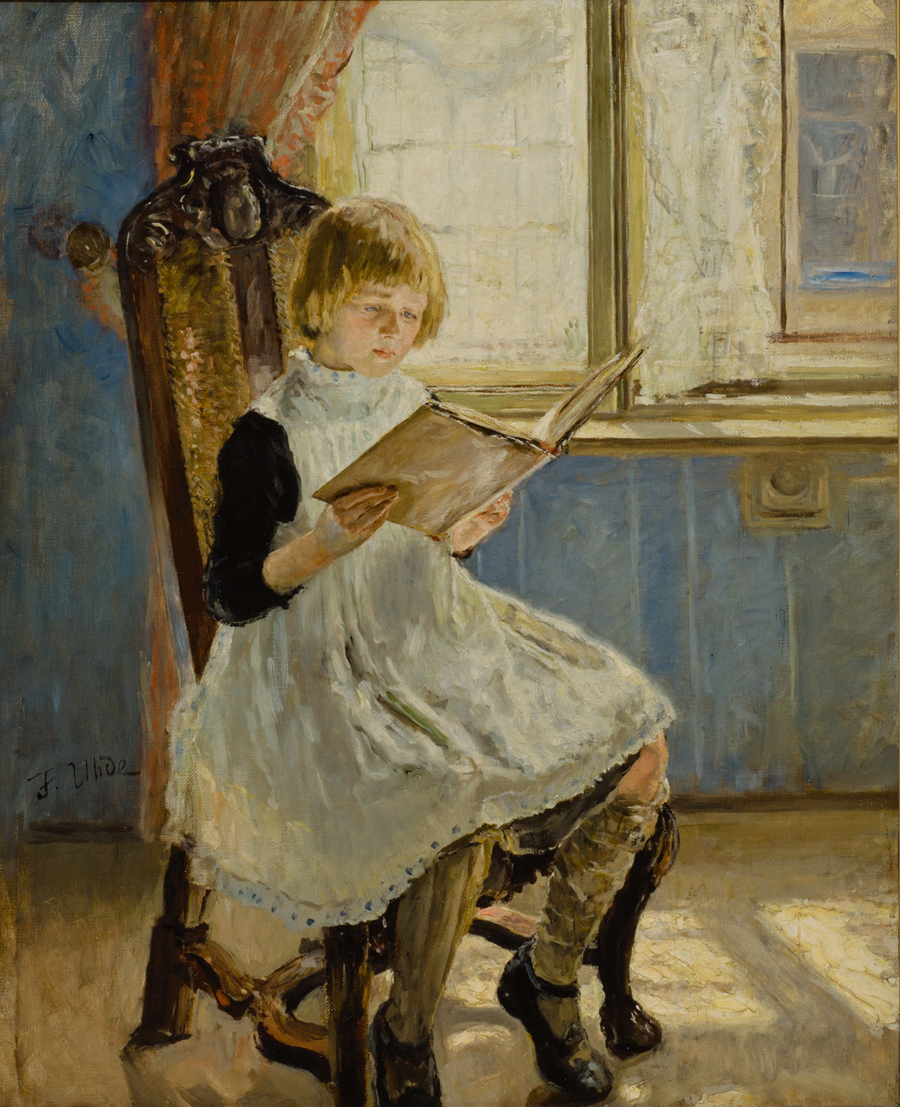

Key components and types
Successful reading typically involves several interacting skills: decoding (translating print to speech sounds), vocabulary, fluency, background knowledge and comprehension strategies. Forms of reading include silent reading, reading aloud, skimming, scanning and close or critical reading. Proofreading is a special form that focuses on spotting errors and inconsistencies rather than extracting broader meaning.
History and development
Across human history, reading emerged after writing systems were invented and spread with technologies such as codices and the printing press. Literacy practices changed again with mass education and digital media. Reading skills develop from early alphabetic instruction through more advanced comprehension and evaluation strategies taught in schools and adult education programs.
Uses and importance
- Education and learning: systematic study of subjects and concepts.
- Practical information: instructions, news and directions.
- Entertainment and culture: narrative works, poetry and fiction provide pleasure and empathy.
- Professional tasks: legal, technical and scientific texts that support work.
Strategies and notable practices
Readers use strategies such as predicting, questioning, summarizing and monitoring comprehension. One classroom method, the Directed Reading-Thinking Activity, prompts learners to make predictions and confirm them while reading. Digital reading brings new challenges: hyperlinks, multimedia and scrolling can change attention and depth of processing, compared with traditional printed text.
Distinctions and facts
Reading differs from listening (hearing) though both convey information; each engages somewhat different cognitive skills. It can be a source of entertainment and a primary route to knowledge. Cognitive research (cognitive science) continues to clarify how readers integrate text, context and prior knowledge. For further resources see writing systems and literacy studies or introductory guides at language education sites.
Related articles
Author
AlegsaOnline.com Reading: processes, types, history, and practical uses Leandro Alegsa
URL: https://en.alegsaonline.com/art/81450
Sources
- books.google.com : Teaching children to be literate: a reflective approach