
Basingstoke: Hampshire market town and postwar growth
Basingstoke is a large Hampshire town in southern England, known for postwar expansion, extensive road network and as a commercial centre in the borough of Basingstoke and Deane.
Overview
Basingstoke is a substantial town in Hampshire, England, situated roughly 48 miles (77 km) southwest of London. It lies between other regional centres — about 30 miles (48 km) northeast of Southampton, 16 miles (26 km) southwest of Reading and 19 miles (31 km) northeast of Winchester. The town is the administrative heart of the borough of Basingstoke and Deane and has a population in the tens of thousands (a 2008 estimate put it near 83,000), with ongoing growth driven by housing and employment development.
Image gallery
10 Images
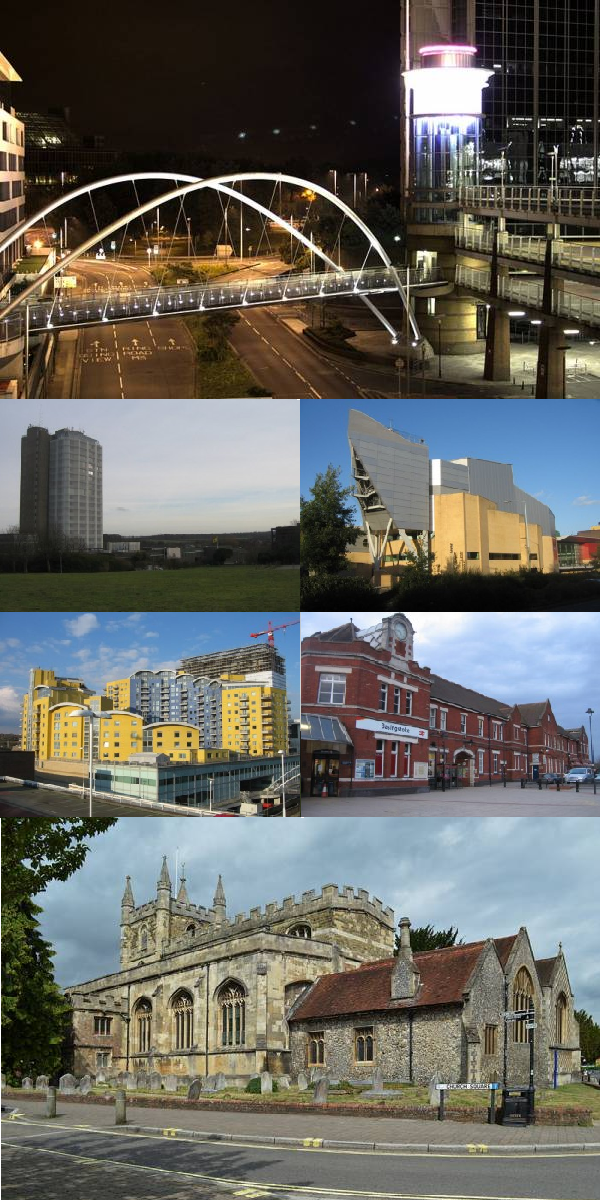

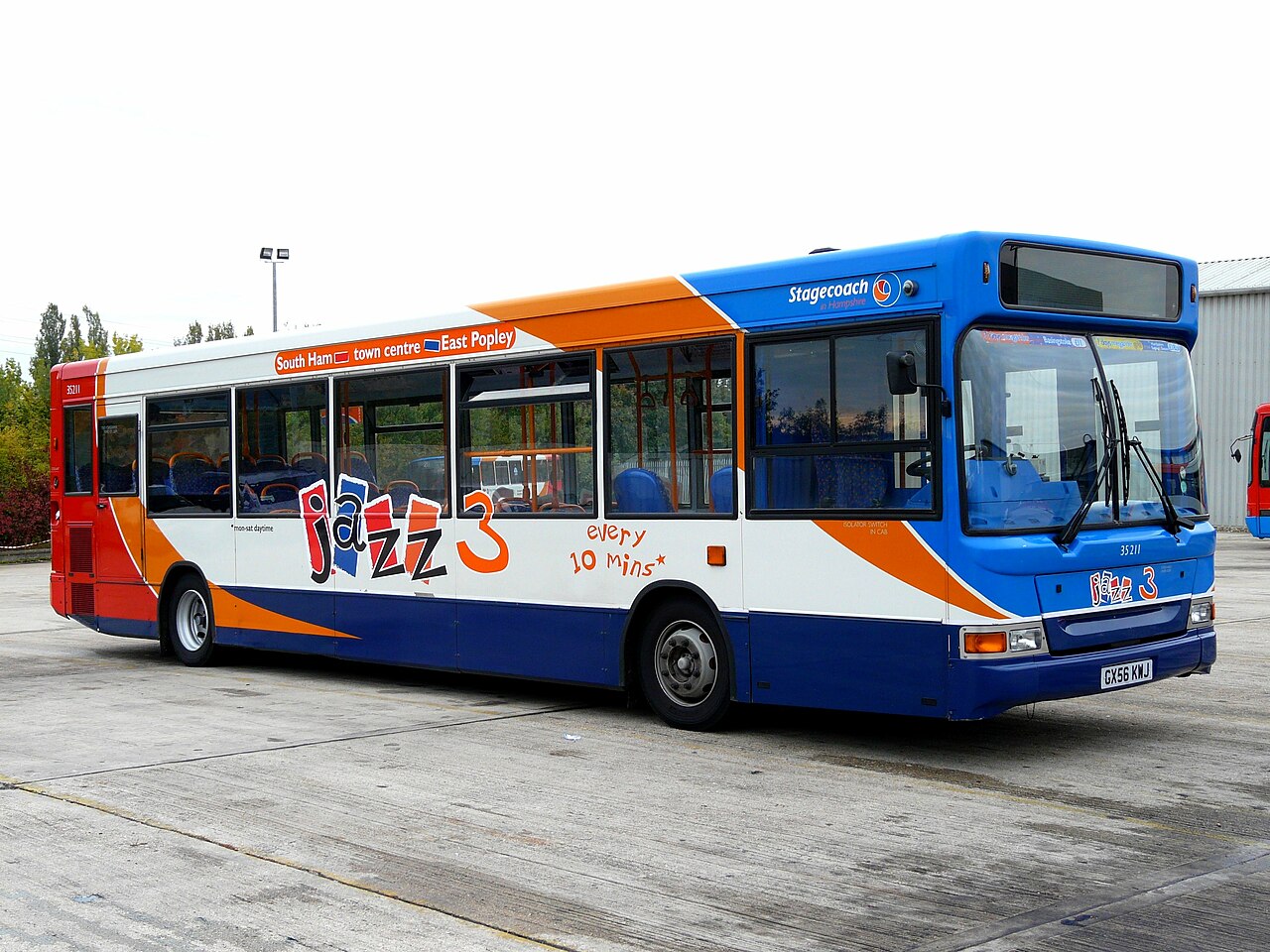

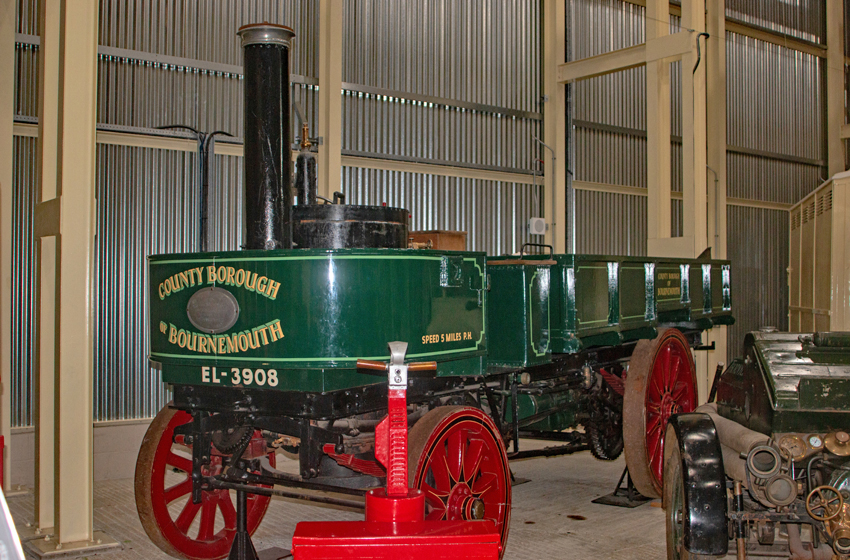
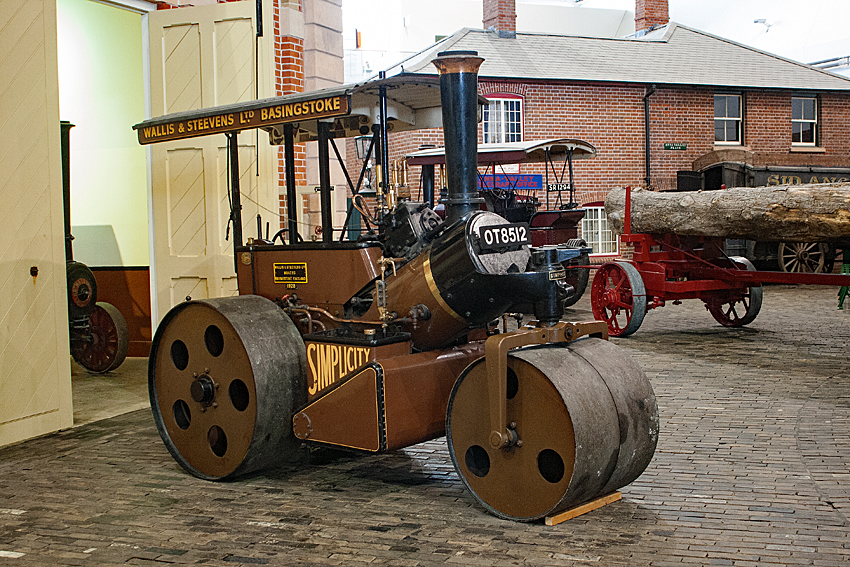


History and development
Basingstoke began as an older market town, with roots that predate its modern expansion. It was substantially enlarged during the postwar period, notably in the 1960s, when planning authorities accommodated population overspill from London under proposals originating in the Greater London planning framework of the mid-20th century. Although often called a "new town" by outsiders, Basingstoke retained its historic core while adding large housing estates, industrial and commercial zones, and new civic amenities laid out in coordinated development plans.
Character and layout
The town is known for its mix of old streets and postwar suburban neighbourhoods. One distinctive feature of Basingstoke's modern road network is the prevalence of roundabouts; the local nicknames "Doughnut City" and "Roundabout City" reflect the many traffic circles introduced to manage car flow during rapid expansion. Central areas contain retail, leisure and municipal facilities, while business parks and industrial estates lie to the periphery, linked by arterial roads and public transport.
Transport and economy
Basingstoke functions as a regional commercial centre. Its transport links make it convenient for commuting and distribution: road connections provide access toward London and the south coast, and regular rail services connect the town with the capital and other southern cities. The local economy is mixed, with employment in retail, services, manufacturing and technology sectors. Over recent decades companies have located offices and operations in and around the town, attracted by available sites and access to regional markets.
Culture, amenities and civic life
The town offers a range of amenities typical of a large market town that has grown into a regional centre: shopping districts, leisure facilities, parks and community venues for arts and music. Conservation areas preserve parts of the historic centre, while newer civic projects and cultural institutions support local events and performances. The borough council and civic organisations also promote regeneration and local services across Basingstoke and Deane.
Notable facts and distinctions
- Often described as an old market town enlarged in the 20th century rather than a purpose-built "new town."
- Nicknamed for its many roundabouts and the distinctive layout of modern road junctions.
- Serves as an administrative and commercial hub within its borough and for surrounding communities.
For more detail on local government, transport routes and community services see sources on Hampshire and regional planning, and consult local borough information provided by the council of Reading and neighbouring authorities when researching the town's contemporary role in southern England. Additional background on postwar planning and London overspill is available in discussions of the Greater London proposals and subsequent development records.
England remains the national context for the town; local travel and regional comparisons often reference nearby cities such as London, Southampton, Winchester and Reading for orientation and services.
Related articles
Author
AlegsaOnline.com Basingstoke: Hampshire market town and postwar growth Leandro Alegsa
URL: https://en.alegsaonline.com/art/9257