
Irish people: history, culture, and diaspora
Overview of the Irish people: origins on the island of Ireland, cultural traits, historical developments including emigration, and contemporary identity across the world.
Overview
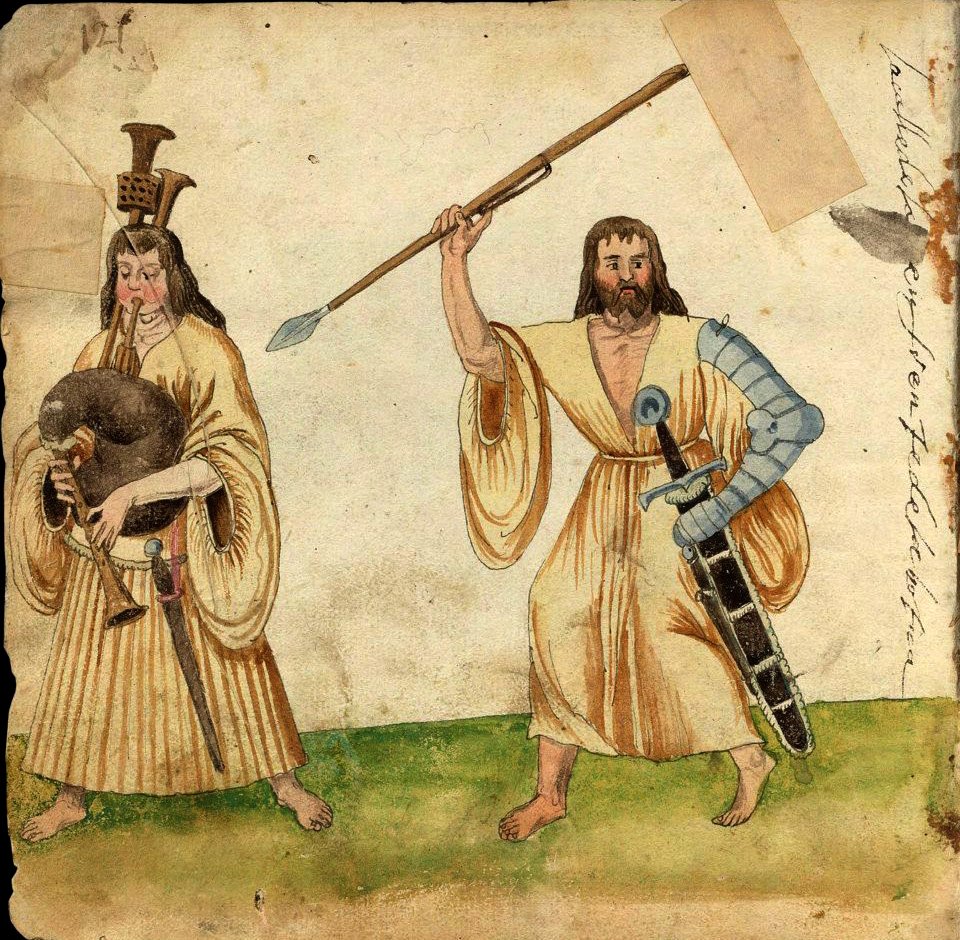
The term Irish denotes the people associated with the island of Ireland, a territory that today includes the independent Republic of Ireland and Northern Ireland. Most modern accounts describe the Irish as a population with strong historical ties to the Celtic cultural and linguistic world, though the island's people have diverse origins and a long history of contact with neighboring regions.
Image gallery
10 Images


Language, identity, and common characteristics
Irish identity combines shared history, languages, and cultural practices. The Gaelic languages (most prominently Irish) remain a key element for many, alongside English used universally today. Religious affiliation, especially Christianity in its Catholic and Protestant forms, has been an important social marker. Folk traditions such as music, storytelling, and particular sports are widely recognised features of Irish cultural life.
History and major developments
Ireland's past includes prehistoric settlement, the arrival and spread of Gaelic culture, periods of Norse and Norman influence, and long centuries of political and social change. In the 19th century a catastrophic agricultural failure commonly called the Great Famine (linked to potato blight affecting potatoes) caused widespread hardship and prompted mass emigration. Many Irish people left for nearby Great Britain and for overseas destinations as a result.
Political division and sectarian tensions
The partition of the island in the early 20th century created the separate jurisdictions now known as the Republic and Northern Ireland. In Northern Ireland political and communal tensions have often been expressed between those who see themselves as British and unionist, and those who identify as Irish and nationalist. These divisions have shaped local politics, social life, and peace efforts in the late 20th and early 21st centuries.
Emigration and the Irish diaspora
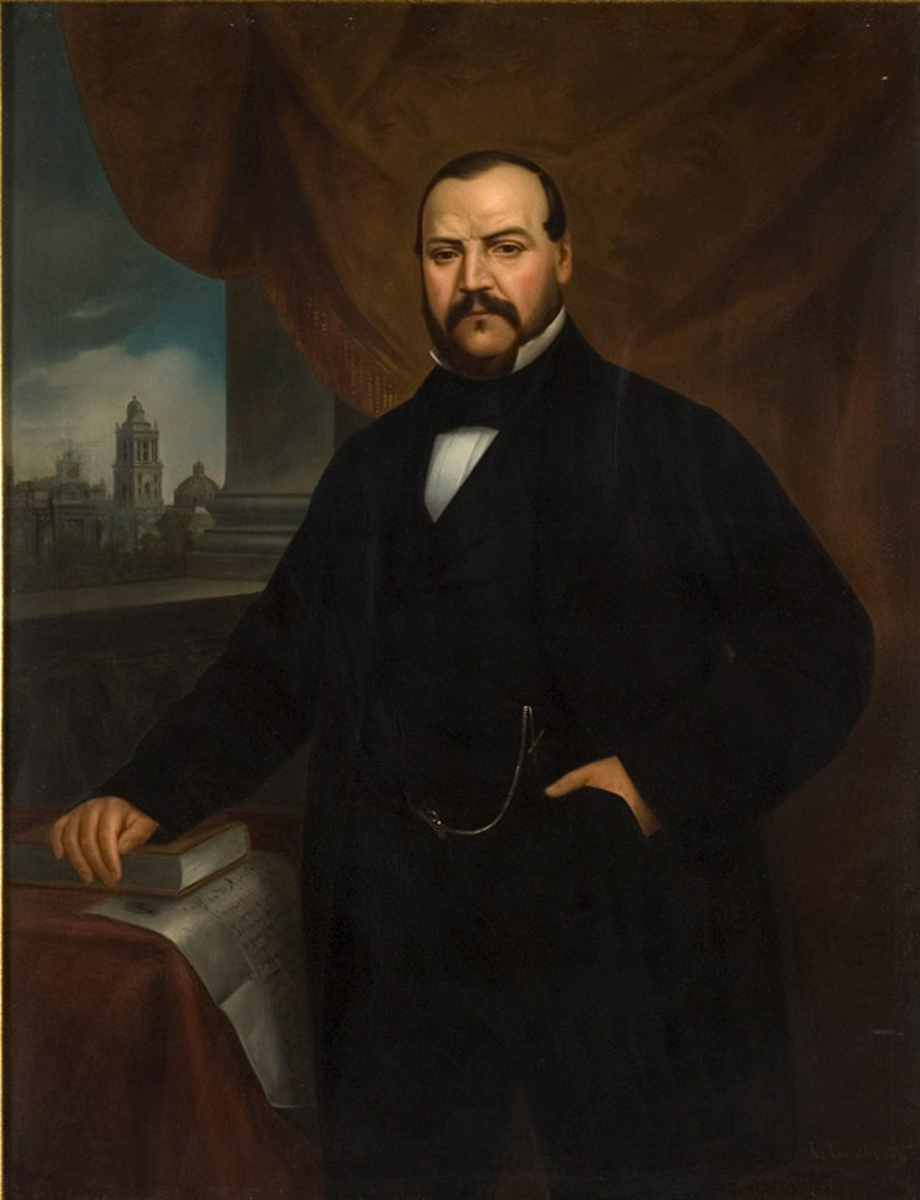
Large-scale emigration has produced significant Irish-descended communities around the world. Prominent destinations include the United States, Canada, and Australia. Within the United States, cities with long-established Irish communities include Boston, New York, Philadelphia, and Chicago. These diasporic networks have influenced culture, politics, and identity in both the homelands and receiving countries.
Culture, contributions, and notable facts
Irish culture has global influence through literature, music, theatre, and holidays such as St. Patrick's Day. Traditional arts coexist with modern popular culture and sports like Gaelic football and hurling. Contemporary Irish society is varied: urban and rural communities, multiple religious and secular outlooks, and active engagement with European and global institutions. The Irish story is one of local continuity and broad international connections forged by centuries of migration and cultural exchange.
- Key aspects: language, music, literature, sports.
- Historic events shaping identity: migration, political partition, cultural revival.
- Global presence: sizeable communities across English-speaking nations.
Related articles
Author
AlegsaOnline.com Irish people: history, culture, and diaspora Leandro Alegsa
URL: https://en.alegsaonline.com/art/48179
Sources
- scotland.gov.uk : "The Scottish Diaspora and Diaspora Strategy: Insights and Lessons from Ireland"
- factfinder.census.gov : "U.S. Census Bureau, 2007" · web.archive.org
- news.bbc.co.uk : "One in four Britons claim Irish roots" · web.archive.org
- www12.statcan.gc.ca : "Ethnic Origin (264), Single and Multiple Ethnic Origin Responses (3), Generation Status (4), Age Groups (10) and Sex (3) for the Population in Private Households of Canada, Provinces, Territories, Census Metropolitan Areas and Census Agglomerations, 2011 National Household Survey"
- irishabroad.com : "IrishAbroad.com - Irish Social Networking worldwide"
- thewildgeese.irish : "LOS IRLANDESES-MEXICANOS: The Irish in Mexico"
- eastonbh.ac.nz : "The Irish in New Zealand: Historical Contexts and Perspectives - Brian Easton"
- diplomatie.gouv.fr : "Présentation de l'Irlande"
- doi.org : 10.1086/303046
- theguardian.com : "More Britons applying for Irish passports | UK news | guardian.co.uk"
- washingtonpost.com : "The Irish-American population is seven times larger than Ireland"