
Istrian Italians
Italian-speaking community of the Istrian peninsula, their origins, language, culture, and historical changes from Venetian rule to modern minority status in Croatia and Slovenia.
Overview
Istrian Italians are the Italian-speaking communities that have lived on the Istrian peninsula for centuries. They are one of several traditional ethnic groups in the region alongside Croatians, Slovenians and Istrorumanians. Their identity combines elements of local coastal life, Romance-language heritage and links to wider Italian culture.
Image gallery
10 Images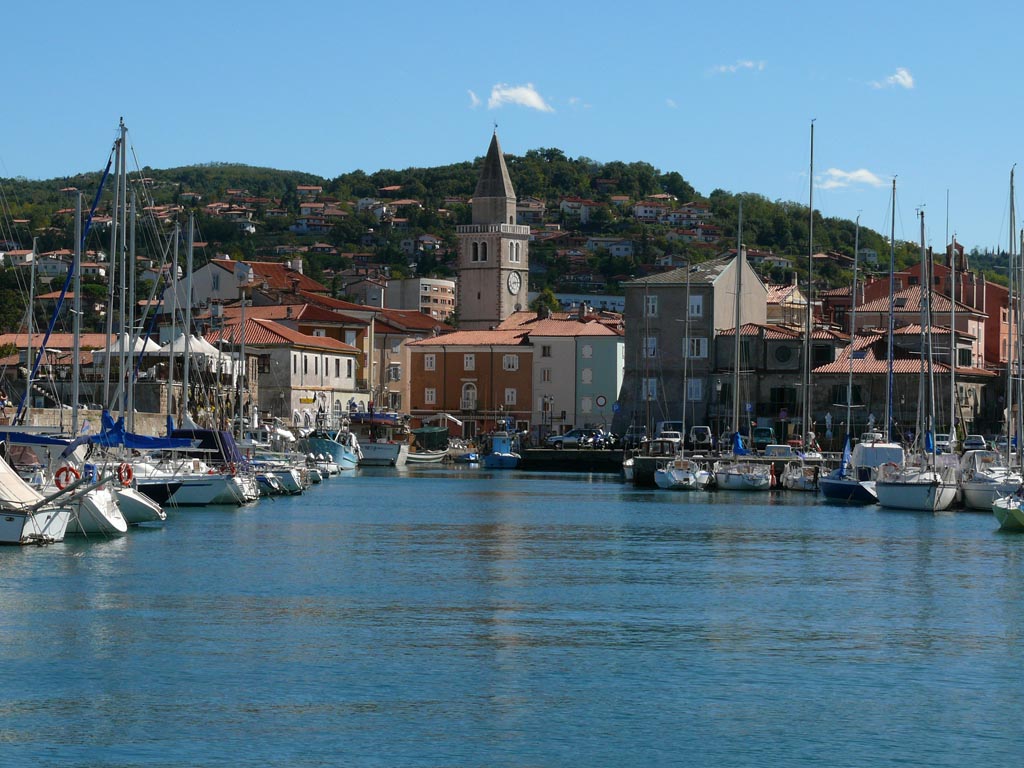




Historical background
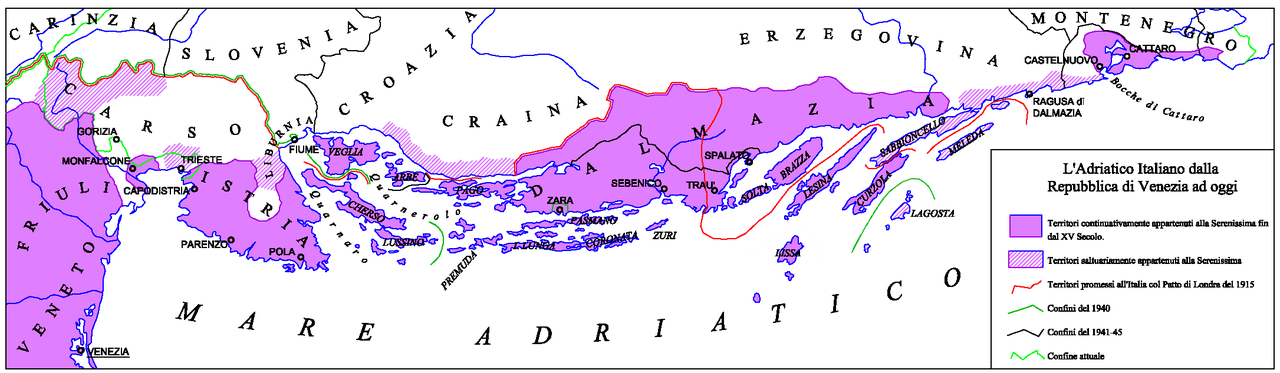
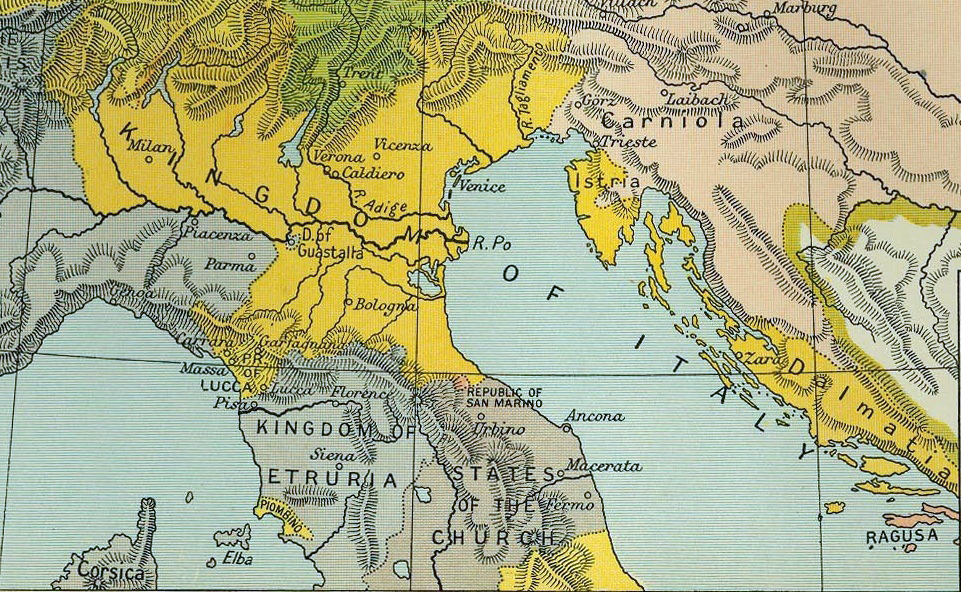
The peninsula has a long history of Mediterranean contacts. Istrian towns were shaped by Roman settlement and later by the Republic of Venice, which left strong architectural, legal and linguistic influences. After periods under the Habsburgs, the region experienced shifting borders in the 20th century, including Italian rule between the World Wars and post‑World War II integration into Yugoslavia, events that changed community size and distribution.
Language and culture
Istrian Italians speak varieties of Italian and local Romance dialects; in some places older Romance idioms such as Istriot survive as distinct, endangered languages. Cultural life reflects coastal trades, Catholic traditions, cuisine and festivals that draw on Venetian and broader Italian repertoires.
Distribution and civic status
Today Istrian Italians are a recognized minority in parts of Croatia and Slovenia and may enjoy language rights, bilingual signage and cultural institutions in areas with historical Italian presence. Major coastal towns demonstrate visible Italian architectural and toponymic heritage; visitors often see both Croatian/Slovenian and Italian place names on monuments and signs.
Notable aspects
- Long-standing maritime and urban traditions influenced by Venice.
- Complex 20th-century demographic changes, including emigration after World War II.
- Ongoing efforts to preserve Romance dialects and local traditions.
For regional context, see general information on Istria and modern minority frameworks in neighboring states.
Related articles
Author
AlegsaOnline.com Istrian Italians Leandro Alegsa
URL: https://en.alegsaonline.com/art/48549