
Celts: peoples, culture and legacy
Overview of the ancient Celts: origins, societies, material culture, languages, historical development and surviving Celtic peoples and traditions.
Overview
The term "Celts" describes a diverse set of Iron Age and early medieval peoples who shared related languages, artistic styles and some social practices across much of temperate Europe. Classical writers used names like Keltoi and Gauls but these ancient labels covered many distinct groups rather than a single unified nation. Archaeologists most often associate early Celtic identity with the Hallstatt and La Tène archaeological complexes, which reflect characteristic metalwork, decoration and settlement forms that spread across central and western Europe and beyond. The groups called Celts first become visible in material remains in the first millennium BCE, and their influence lasted through the Roman period and into the medieval era in several regions.
Image gallery
10 Images




Origins and historical development
Scholars link the emergence of Celtic cultures to developments in the European Iron Age, with strong archaeological signals in areas of what is now Austria and central Europe. The Hallstatt horizon and the later La Tène style mark two broad phases of technological and artistic change; both names derive from type-sites important to archaeological study. As metallurgy, trade and mounted warfare expanded, groups speaking Celtic languages moved, settled and interacted with neighbors, producing a patchwork of tribal polities from the Iberian Peninsula and Spain in the west to parts of the Balkans in the east. Roman expansion in the late Republic and early Empire brought sustained contact and, in many territories, subordination. The Roman conquest reshaped Celtic political structures in regions such as Gaul, while other Celtic-speaking areas remained beyond full Roman control.
Society and material culture
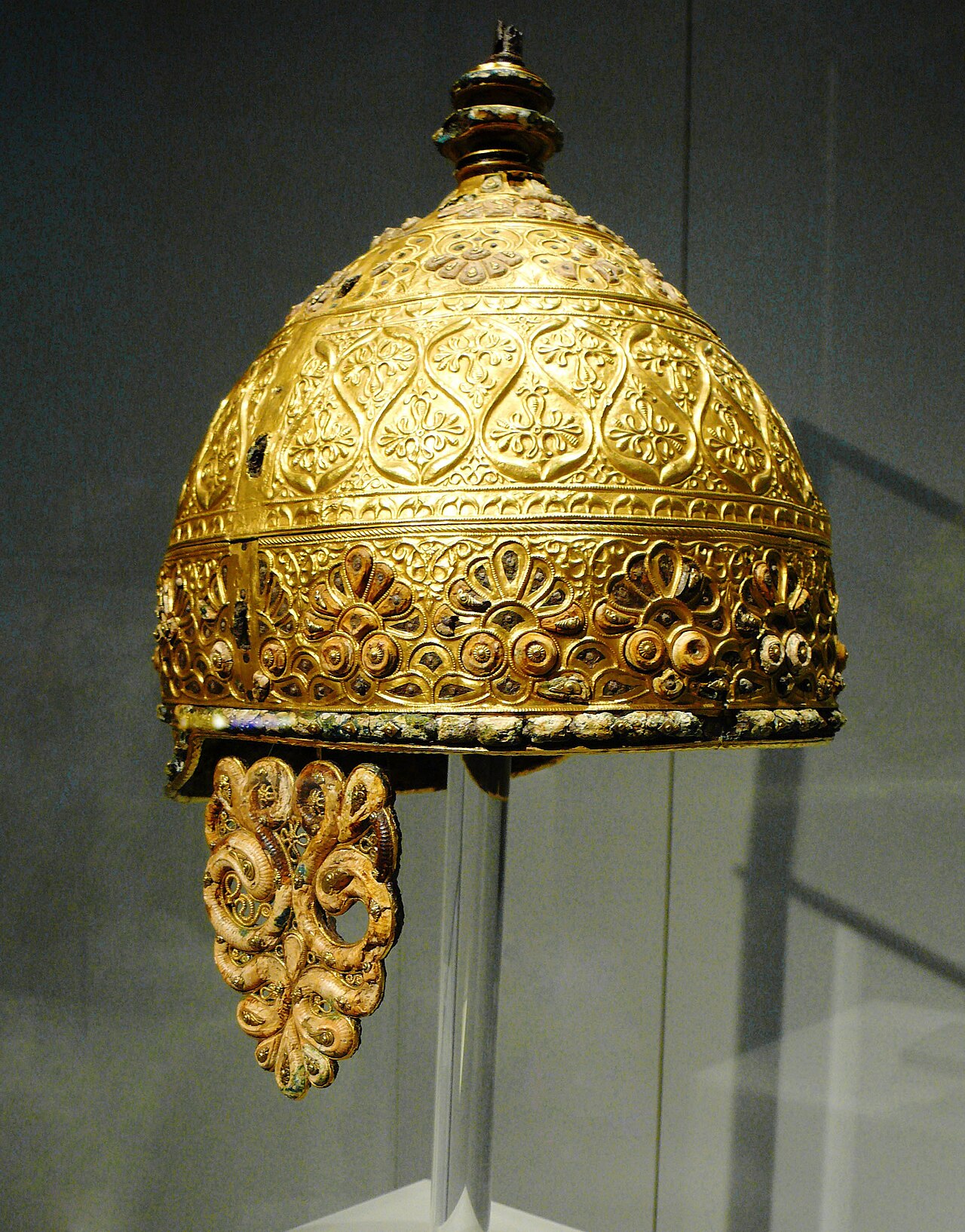
Celtic societies were typically organized around kinship groups and warrior elites supported by craftsmen, farmers and traders. Metalwork — especially iron weapons and elaborately decorated bronze, gold and occasionally silver objects — is a hallmark of their material culture. Jewelry, torcs and patterned metal surfaces reveal a skilled tradition of metalworking and aesthetic traditions distinct from Mediterranean styles. Many communities lived in fortified hilltop settlements or oppida and built timber and stone structures adapted to local environments. Warfare and ritual practices are recorded by classical authors and supported by archaeological finds; accounts describe distinctive dress, body decoration and martial customs, though literary descriptions can be exaggerated or biased.
Languages and surviving traditions
The Celtic branch of the Indo-European language family once included many tongues now extinct; a small group has survived into the modern era. Today the living Celtic languages include Irish, Scottish Gaelic, Manx, Welsh, Cornish and Breton. These languages and associated cultural practices persist in regions often known as the Celtic nations: Ireland, Scotland, Isle of Man, Wales, Cornwall and Brittany. Revival movements in the 19th and 20th centuries supported language preservation and renewed interest in music, storytelling and traditional crafts, while regional identities draw on both ancient and more recent history.
Geographic spread and later transformations
At their height, Celtic-speaking groups occupied large parts of western, central and southern Europe, including the British Isles, France, Portugal, parts of Spain and regions now in Germany, Switzerland and the Low Countries. Over time many Celtic regions were absorbed into Roman provinces or altered by migrations of Germanic peoples during late antiquity. These processes produced mixed Romano-Celtic and Germanic cultural formations that are part of the ancestry of several modern states such as France, Switzerland, Belgium, Luxembourg, and parts of Germany.
Legacy, scholarship and distinctions
Modern understanding of the Celts combines classical texts, archaeology, linguistics and genetics. Important distinctions include the difference between archaeological cultures (Hallstatt, La Tène), historical ethnonyms used by Greek and Roman writers, and the modern cultural-linguistic concept of Celtic identity. Celebrated aspects of Celtic heritage include ornate metalwork, complex knotwork and interlace motifs, mythic literatures preserved in medieval manuscripts, and living folk traditions. For further reading and primary resources see archaeological summaries and regional studies that treat individual tribal groups, settlements and the surviving Celtic languages and literature. Additional context and resources are accessible through archaeological databases and language revitalization projects that document how an ancient family of peoples continues to shape regional identities in Europe today.
- ancient tribal networks
- archaeological evidence
- Hallstatt culture
- La Tène culture
- Greek sources
- Roman sources
- British Isles
- southern regions
- eastern areas
- Breton language
- Cornish language
- Welsh language
- Gaelic languages
- folklore traditions
- metalworking skills
- Roman Republic
- late Roman period
- warfare practices
- Wales
- Irish and Scottish Gaelic
- central Europe origins
- Gaul
- Luxembourg
- Belgium
- Switzerland
- Germany
- Ireland
- Scotland
- Isle of Man
- Cornwall
- Brittany
- western Europe
- Roman Empire transitions
- ritual and military customs
Questions and answers
Q: What is the origin of the name "Celt"?
A: The name 'Celt' comes from the Greeks. The Romans called them "Gauls".
Q: What were some of the most prominent Celtic tribes?
A: The most prominent Celtic tribes were in Gaul.
Q: What languages did Celts speak?
A: The Celts spoke Celtic languages. Today, the Celtic languages that remain are the Breton, Cornish, Welsh and Gaelic languages.
Q: How advanced was their technology?
A: Although not as advanced as the Romans, Celtic society and technology was far from being primitive for its time. They were skilled in blacksmithing, farming and diplomacy.
Q: How did they dress for battle?
A: Different tribes had different dress standards for battle; some warriors wore chainmail and/or leather armor, some wore only clothes and some were known to fight fully naked. They also had their own type of sword that was very strong and a shield that was very protective.
Q: Who eventually conquered them?
A: When the Roman Republic started expanding, they became hostile towards each other and clashed on many occasions; however, the Romans were eventually able to defeat them and ended up conquering most of the Celtic tribes in Europe.
Q: What happened after Rome fell?
A: After winning a battle, the Celts would cut off heads of their enemies and take them home During the fall of Roman Empire most old Celtic land ended up being ruled by migrating Germanic tribes who merged with Romano-Celtic stock (people with both Roman & Celt ancestry) to form several European nations today e.g Portugal , Spain , France , Belgium , Switzerland , Luxembourg as well Southern & Western Germany . Territories still considered celtic are Ireland , Wales , Scotland Isle Of Man Cornwall & Brittany .
Related articles
Author
AlegsaOnline.com Celts: peoples, culture and legacy Leandro Alegsa
URL: https://en.alegsaonline.com/art/17934
Sources
- bbc.com : bbc.com/bitesize/articles/z9j4kqt