
Israelites: identity, history, and legacy of an ancient Semitic people
Overview of the Israelites: origins, tribal structure, the kingdoms of Israel and Judah, conquests, return from exile, and their enduring religious and cultural legacy.
The term "Israelites" refers to a group of ancient Semitic-speaking people described in biblical accounts and in historical and archaeological studies. In broad usage, it denotes members of the tribes that traced descent from the patriarch Jacob (also called Israel) and who lived in parts of what was historically called Canaan. Modern scholarship uses the name when discussing the people, culture, and polities that emerged in the highlands and plains of the ancient Levant during the Late Bronze Age and Iron Age. For comparative and historical background see sources on Semitic peoples and the geography of Canaan.
Image gallery
10 Images






Names and social structure
Several designations are found in ancient texts. "Children of Israel" or "sons of Israel" is common in the Five Books of Moses and other biblical books to indicate the collective descendants of Jacob. The population is often described as organized into tribes—traditionally twelve—each associated with an eponymous ancestor. In later periods the name "Israelite" could mean a member of one of these tribes, a resident of the kingdom called Israel, or more generally a follower of the religious and social traditions recorded in biblical literature. Religious and legal traditions tied to these groups are central to the narrative preserved in the Hebrew Bible, which remains a primary source of information and interpretation (biblical texts).
Territory and kingdoms
The lands associated with the Israelites overlap the region later known as the Land of Israel and include parts of the central highlands and coastal areas. During the Iron Age two related but distinct polities are commonly referenced: the northern kingdom, often called Israel, and the southern kingdom, called Judah. The northern kingdom's territory and capital varied over time; its separation from Judah is a major episode in the biblical narrative. For concise maps and historical summaries consult material on the Land of Israel and the traditional lists of the Tribes of Israel.
Archaeology and historical records indicate political dynamics that included rivalry and alliance with neighboring states, shifting settlement patterns, and evolving religious institutions. The term "Jews" is associated with the people of the kingdom of Judah and with their descendants, particularly after major population movements and the development of a distinct religious identity in the post-exilic period (Judah).
Conquest, exile, and return
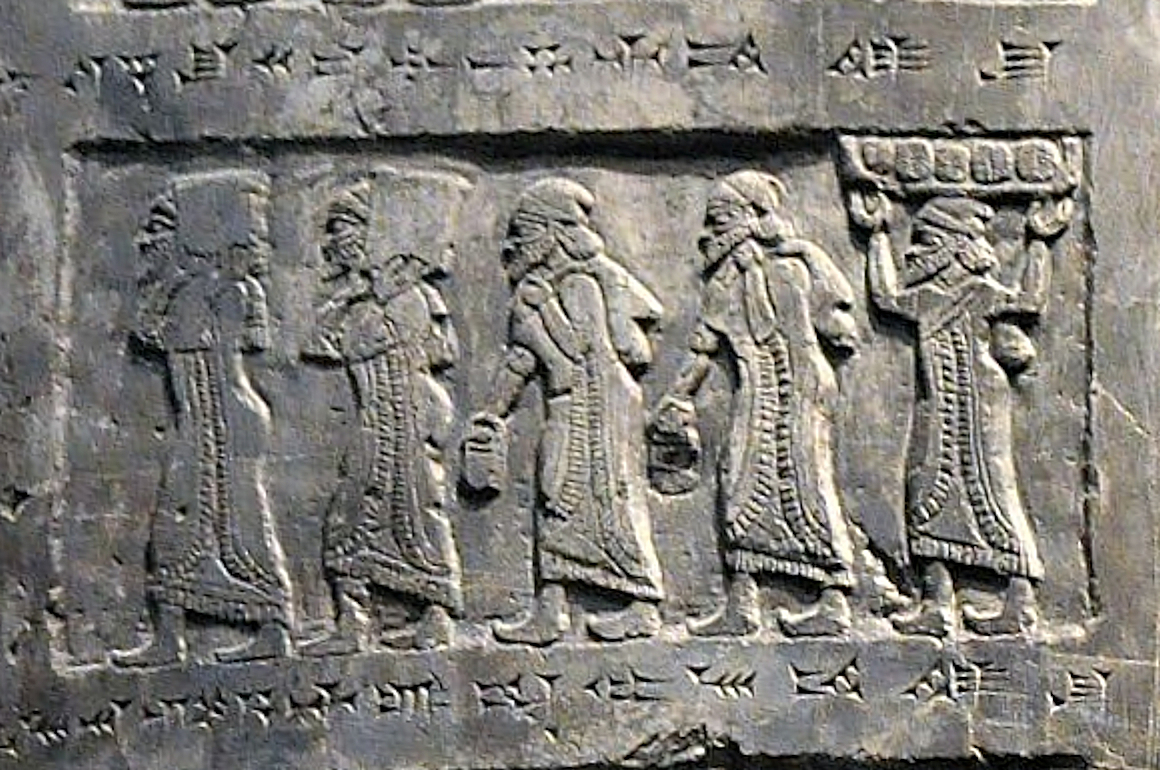
Historical and biblical sources record several major external events. The northern kingdom was conquered by the Neo-Assyrian Empire in the 8th century BCE, an event attested in Assyrian inscriptions and later remembered in biblical texts. For details see studies of the Assyrians. The southern kingdom later fell to the Neo-Babylonian Empire; the destruction of Jerusalem and the First Temple in the early 6th century BCE led to the deportation of elites and craftsmen to Babylonia (Babylonians).
- Assyrian conquest of Israel (c. 8th century BCE)
- Babylonian capture of Jerusalem and exile (586 BCE)
- Persian conquest of Babylon and permission to return (Achaemenid era)
When the Achaemenid Persian Empire overthrew Babylon, its administrators allowed exiled communities to return and to rebuild religious institutions. This return and the reconstruction of the Second Temple in Jerusalem are key developments in the transformation of Israelite/Judean society and religion; more on the Achaemenid policies appears in accounts of the Achaemenid Empire and the rebuilding efforts recorded in sources about the Second Temple period and Jerusalem.
Legacy and distinctions
The Israelites' legacy is complex: it encompasses religious texts, legal traditions, and cultural memories preserved in Judaism and later in Christianity and Islam. Linguistically they spoke early forms of Northwest Semitic languages, ancestors of biblical Hebrew. Archaeological research continues to refine understanding of their settlements, material culture, and interactions with neighboring peoples. Distinctions between "Israelites," "Judeans," and the later "Jews" depend on chronological and social context; scholarship treats these terms with attention to changing identities over centuries.
For readers seeking introductions or specialized studies, general histories and archaeological surveys offer accessible overviews, while textual studies explore how the Israelite past was remembered and rewritten in later religious traditions. Many contemporary discussions also consider how modern national and religious narratives engage ancient Israelite history, a topic that benefits from careful, source-based scholarship.
Related articles
Author
AlegsaOnline.com Israelites: identity, history, and legacy of an ancient Semitic people Leandro Alegsa
URL: https://en.alegsaonline.com/art/48514