
I Have a Dream (Martin Luther King Jr. speech)
An overview of Martin Luther King Jr.’s 1963 “I Have a Dream” speech: its context, themes, delivery, rhetorical craft, immediate reception and long-term legacy in the U.S. civil rights movement.
Overview
"I Have a Dream" is the popular name for a public address delivered by Martin Luther King Jr. on August 28, 1963, at the Lincoln Memorial in Washington, D.C. The remarks were the culminating speech of the March on Washington for Jobs and Freedom, a mass demonstration that drew over two hundred thousand attendees. In it, King articulated a vision of national reconciliation and racial equality, invoking American ideals and moral urgency to press for an end to segregation and discrimination.
Image gallery
10 Images


Historical context
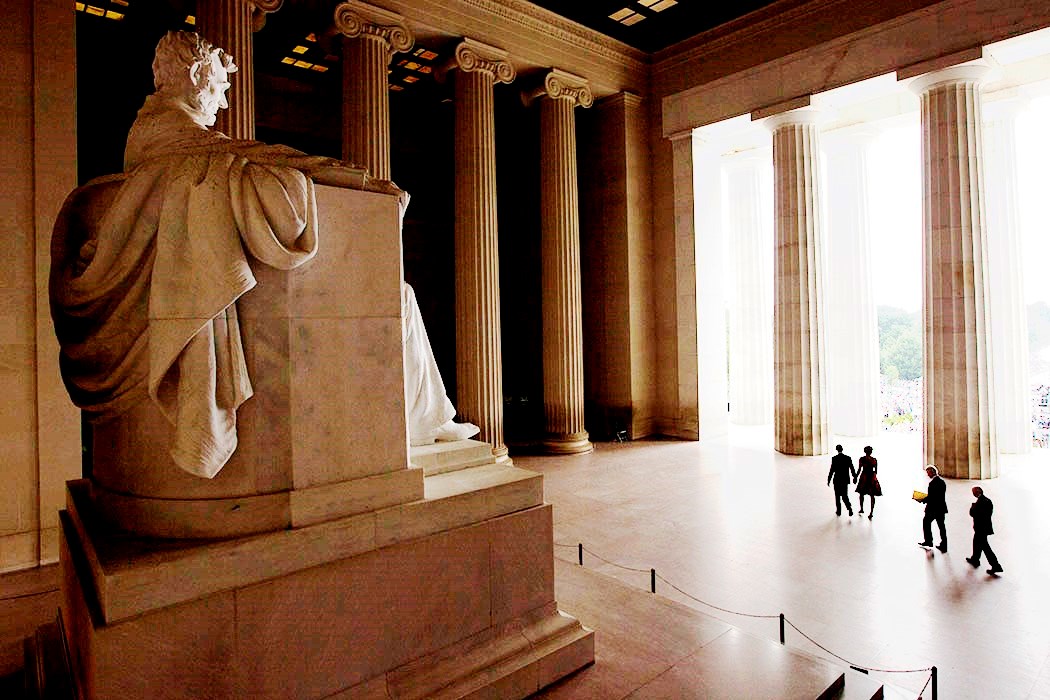
The speech came at a pivotal moment in the civil rights movement. Organizers gathered to demand civil and economic rights for African Americans and to protest persistent discrimination. King placed his argument in a broad American frame, referencing the nation’s founding documents and the promises of freedom and justice that remained unfulfilled for many citizens. He also connected contemporary struggles to earlier milestones in U.S. history, including the Emancipation Proclamation and the symbolic site where he spoke, the Lincoln Memorial in Washington, D.C..
Themes and rhetorical features
The speech intertwines moral appeals, legal references and vivid imagery. King used repetition — most famously the anaphora beginning "I have a dream" — to build momentum and emphasize specific hopes for the future. He drew on religious language, patriotic texts and metaphors of light, freedom and brotherhood to make abstract principles feel immediate and personal. Core themes include justice, nonviolent protest, the demand for equal rights regardless of race, and faith in the possibility of democratic reform.
Delivery and notable moments
Delivered to a large and diverse audience, the address combined planned passages with moments described by witnesses as spontaneous. Those present remember passages that broadened the speech’s emotional reach and helped turn it into an enduring public moment. The speech also made explicit the injustice of present conditions, pointing to ongoing discrimination and the need to honor the promise of equal treatment for all races (race relations) in the United States. Its memorable refrains and hopeful imagery helped it spread widely in newspapers, radio and television.
Impact and legacy
At the time, the speech strengthened national attention on civil rights legislation and contributed to political pressure for reform. Over the decades it has been taught, quoted and commemorated as a defining expression of the American civil rights movement. Some commentators have praised it as one of the most powerful public speeches of the twentieth century, a view reflected in later tributes and scholarly attention. King’s words continue to be invoked in discussions about equality, voting rights and social justice.
Key points and further reading
- Occasion: the March on Washington for Jobs and Freedom, 1963 (speech record).
- Location: Lincoln Memorial, a deliberate symbolic choice.
- Main refrain: the repeated "I have a dream" images and appeals.
- Historical references: including the Emancipation Proclamation and constitutional ideals.
- Reception: widely covered and often described as among the most significant speeches of the age (critical appraisals).
For an accessible introduction to the speech’s text, context and lasting influence, see contemporary reports and later analyses that explore its language, moments of improvisation and role in the broader struggle for civil rights.
Race relations | United States | Civil rights | Primary text
Questions and answers
Q: What is "I Have a Dream"?
A: "I Have a Dream" is a speech given by Martin Luther King, Jr. on August 28, 1963.
Q: Where was the speech given?
A: The speech was given on the steps of the Lincoln Memorial in Washington, D.C.
Q: What was Martin Luther King, Jr.'s wish for the future?
A: Martin Luther King, Jr.'s wish was that people of different races could live together peacefully in the United States.
Q: Who was the speech given to?
A: The speech was given to over 200,000 supporters.
Q: What did Martin Luther King, Jr. speak of in his speech?
A: Martin Luther King, Jr. spoke of the discrimination that black men have faced even though they were to be treated as equals after the Emancipation Proclamation was signed.
Q: Why is the speech so famous?
A: Many have called the speech "the best speech given in the 20th century" because of its powerful message of equality and hope.
Q: What was the Emancipation Proclamation?
A: The Emancipation Proclamation was a decree signed by Abraham Lincoln that declared all slaves in Confederate territory to be free.
Related articles
Author
AlegsaOnline.com I Have a Dream (Martin Luther King Jr. speech) Leandro Alegsa
URL: https://en.alegsaonline.com/art/46271
Sources
- news.wisc.edu : ""I Have a Dream" Speech Leads Top 100 Speeches of the Century"