
Hurricane Opal (1995): rapid intensification and Gulf Coast landfall
Hurricane Opal was a powerful 1995 Atlantic hurricane that intensified rapidly in the Gulf of Mexico and struck the Florida Panhandle, producing a large storm surge, widespread damage, and a retired name.
Overview
Hurricane Opal was a major tropical cyclone that developed from a disturbance in the western Caribbean and strengthened markedly in the Gulf of Mexico in late September 1995. It was the ninth hurricane of the very active 1995 Atlantic hurricane season and became the season's most intense storm. Opal produced destructive wind, heavy rainfall, and an unusually large storm surge when it moved across the northern Gulf Coast.
Image gallery
10 Images




Meteorological history
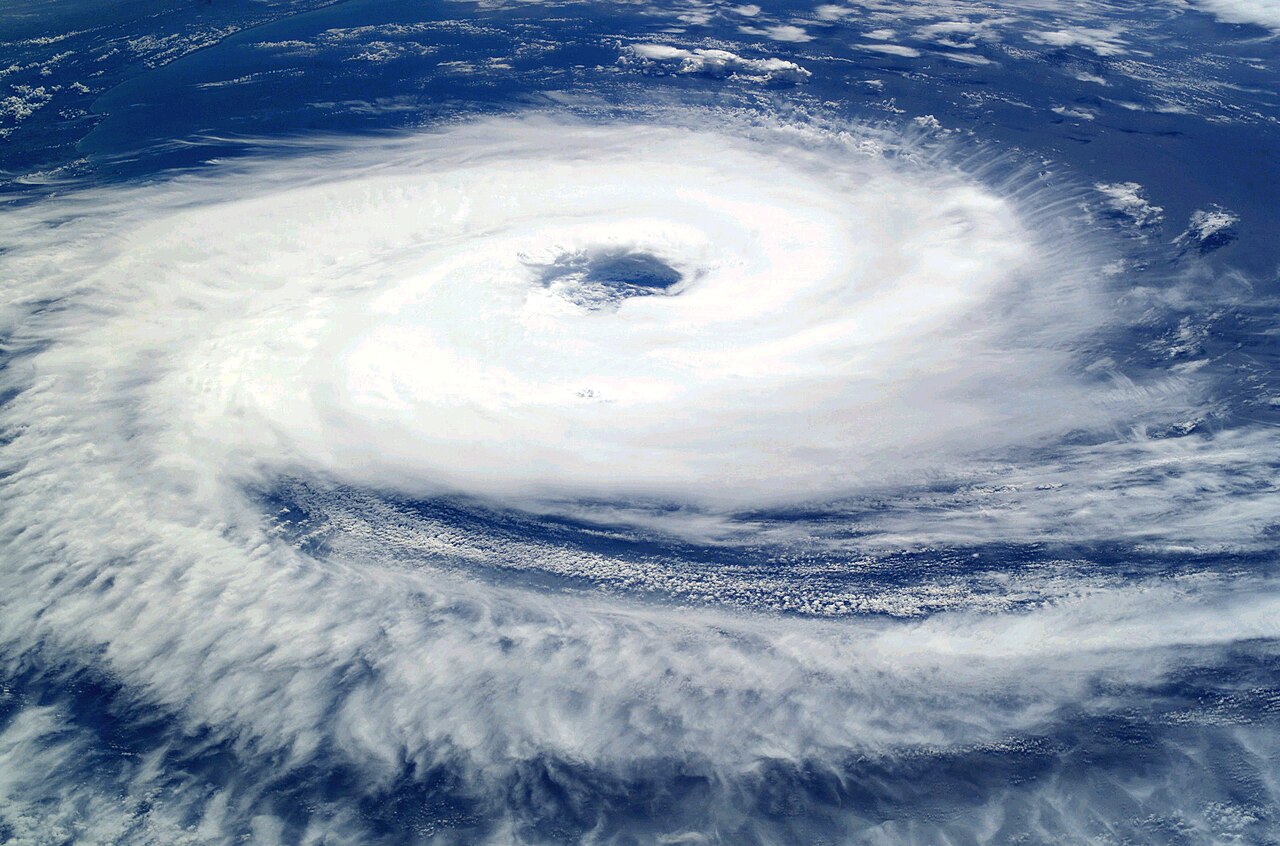
The system that became Opal originated as a tropical depression that crossed the Yucatán Peninsula. After emerging into the warm waters of the Gulf of Mexico, the cyclone underwent rapid intensification under favorable atmospheric conditions. The depression had been tracked since late September, with some analyses noting a key development stage around September 27. By October 4 Opal had strengthened to a major hurricane and made landfall on the northern Gulf Coast of the United States, striking the Florida Panhandle near Pensacola with sustained winds estimated near 125 mph.
Preparations
Forecasters warned of a dangerous storm surge and severe winds well ahead of Opal's arrival, prompting evacuations and pre-positioning of emergency resources along vulnerable coastlines. Local officials in the Florida Panhandle and adjacent areas of Alabama issued evacuation orders for low-lying coastal communities. Emergency management agencies emphasized the risk of flooding, wind damage, and downed power infrastructure.
Impacts
Opal produced a large storm surge along the northern Gulf Coast; numerous reports documented surge heights approaching 15 feet in some locations, which inundated barrier islands, coastal roads, and waterfront properties. The hurricane caused extensive wind damage across the Florida Panhandle, particularly near Pensacola, and produced destructive conditions as it moved inland through Alabama and the interior Southeast. The system weakened over land, but its remnant circulation continued to cause heavy rainfall and flooding well inland, contributing to impacts as far north as Tennessee and into parts of the mid-Atlantic.
- Central America and Mexico: Rainfall from Opal's precursor disturbance triggered flooding and landslides in areas of Guatemala and Mexico, resulting in many fatalities and widespread damage to homes and infrastructure.
- United States Gulf Coast: Coastal flooding, high surge, and hurricane-force winds damaged buildings, marinas, and utilities across the Florida Panhandle and neighboring coasts.
- Interior impacts: As Opal moved inland it produced tropical-storm-force winds, heavy rains, flooded rivers and creeks, and numerous power outages across southeastern states.
Casualties and economic losses
Across several countries, flooding and storm-related incidents led to a significant death toll and large-scale property losses. Reports following the event attributed a substantial portion of fatalities to flooding in Central America and southern Mexico, while additional deaths occurred in the United States related to storm impacts. Early damage estimates placed losses in the order of several billion dollars, with major effects on housing, transportation, and coastal industry.
Aftermath and recovery
Emergency response efforts focused on search and rescue, restoring power and communications, debris removal, and providing temporary shelter and aid to displaced residents. Federal, state and local agencies coordinated long-term recovery, rebuilding damaged infrastructure, and strengthening coastal defenses. The storm highlighted vulnerabilities in coastal evacuation planning and influenced revisions to preparedness practices for subsequent seasons.
Legacy
Opal is remembered for its rapid intensification over the Gulf of Mexico and for producing an unusually large and destructive storm surge along the northern Gulf Coast. The breadth of the storm's impacts, from Central America through the southeastern and mid-Atlantic United States, contributed to the retirement of the name "Opal" from the Atlantic hurricane naming lists. For detailed meteorological analyses and post-storm assessments, consult official storm reports and regional hurricane archives, which provide track maps, intensity records, and impact summaries (major hurricane summary).
Further information and historical records are available in specialized hurricane databases and government post-storm reports that document Opal's track, intensity changes, human toll, and the recovery process following the 1995 season.
Questions and answers
Q: When did Hurricane Opal form?
A: Hurricane Opal formed in September 1995.
Q: What number hurricane was Opal during the 1995 Atlantic hurricane season?
A: Opal was the 9th hurricane of the highly active 1995 Atlantic hurricane season.
Q: Was Hurricane Opal the strongest hurricane of the 1995 Atlantic hurricane season?
A: Yes, Hurricane Opal was the strongest hurricane of the 1995 Atlantic hurricane season.
Q: What was the highest category of Hurricane Opal?
A: The highest category of Hurricane Opal was
Related articles
Author
AlegsaOnline.com Hurricane Opal (1995): rapid intensification and Gulf Coast landfall Leandro Alegsa
URL: https://en.alegsaonline.com/art/45963
Sources
- weather.com : WeatherCom-1995-storms
- weather.gov : "Hurricane Opal - October 4, 1995"
- nhc.noaa.gov : "Preliminary Report Hurricane Opal 27 September - 5 October 1995"