
Dominican Republic
Spanish-speaking Caribbean nation occupying the eastern portion of Hispaniola. A presidential republic with a mixed economy—tourism, agriculture (notably cacao), services—and a rich cultural and sporting life.
Overview
The Caribbean nation commonly known in English as the Dominican Republic occupies the eastern part of the island of Hispaniola. It shares the island border with Haiti. The national language is Spanish, and the capital and principal port is Santo Domingo, the country's largest urban area and cultural center. The state is organized as a republic with a presidential system and is generally described as democratic in form.
Image gallery
10 Images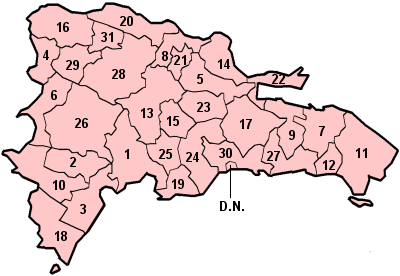

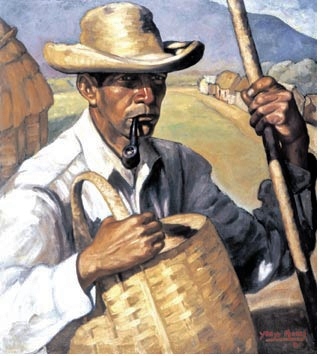

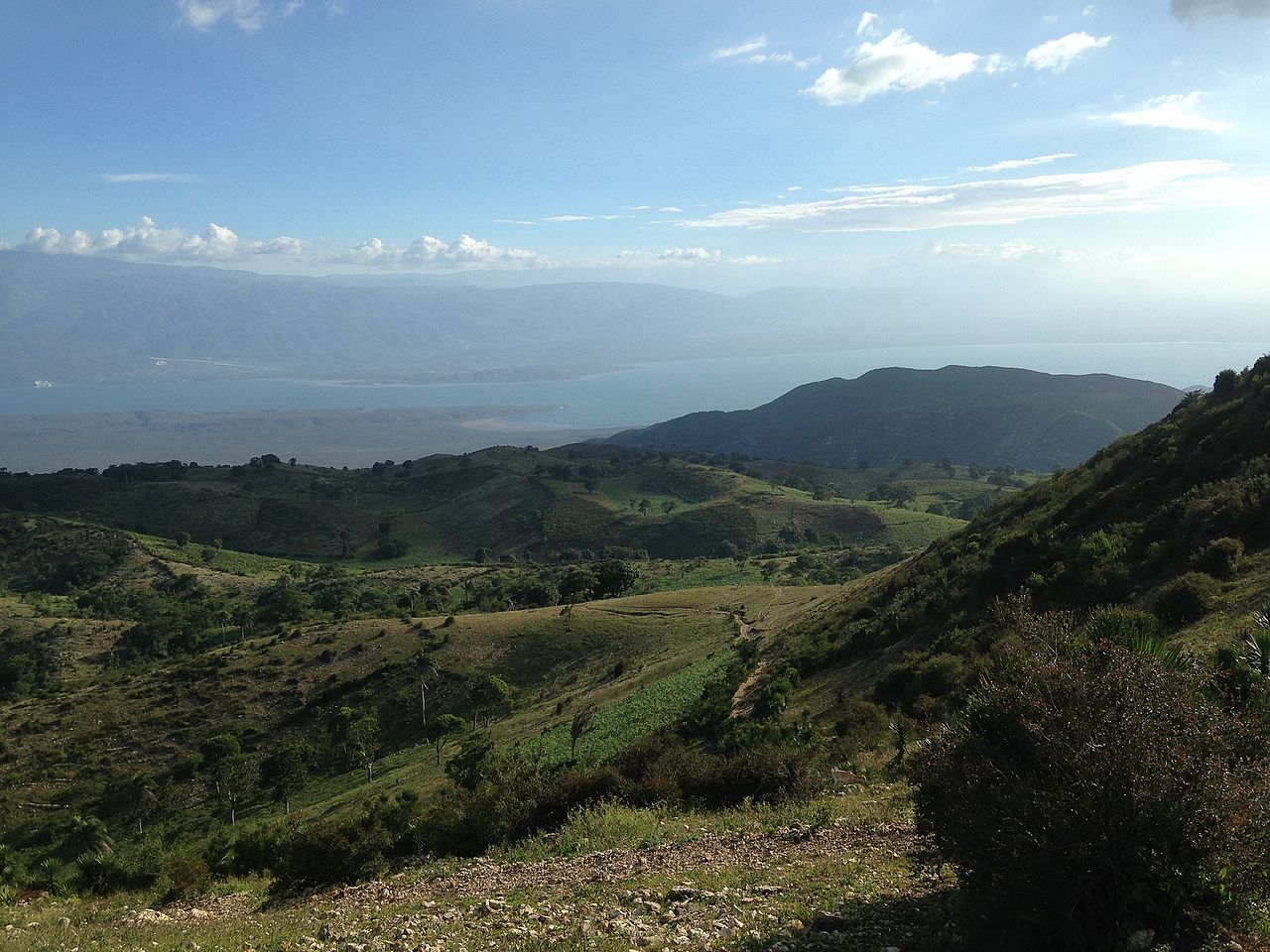


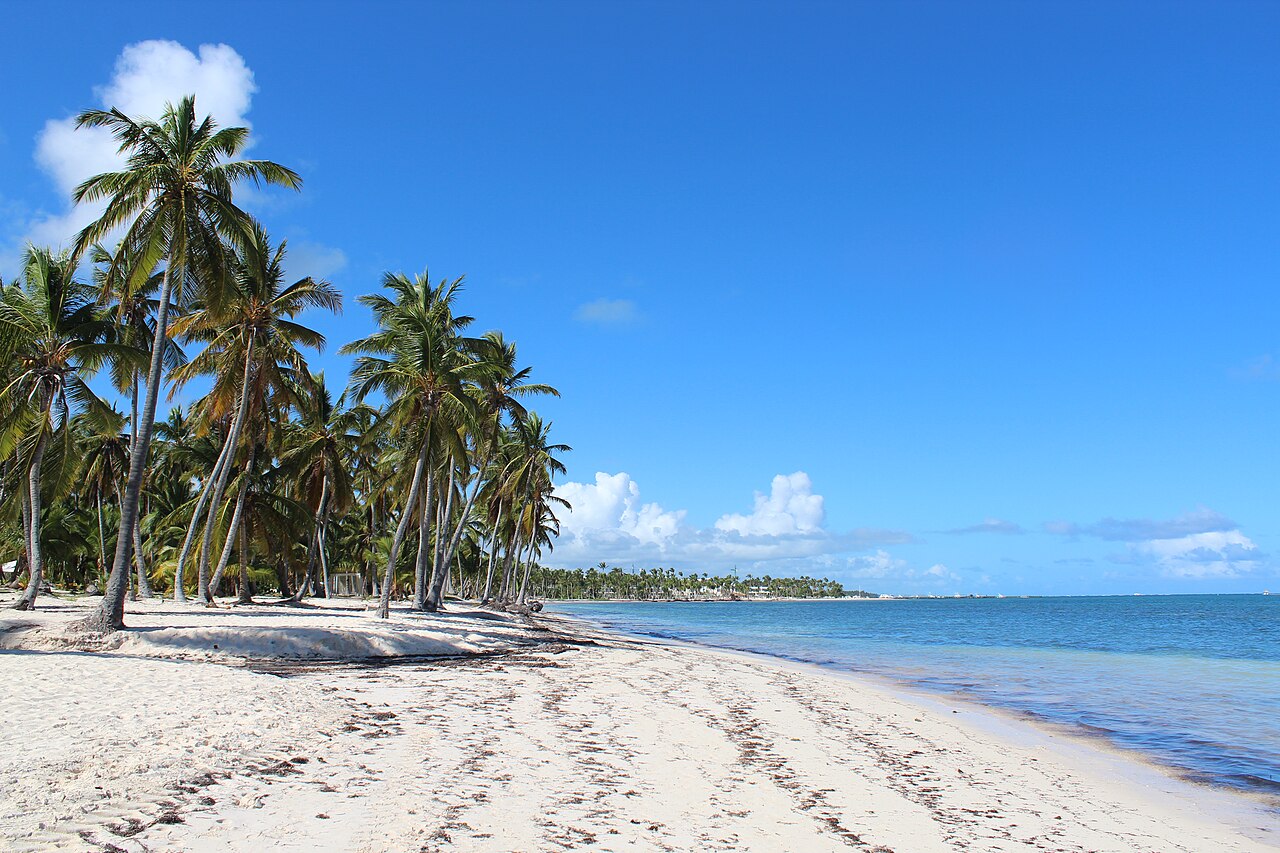
Geography and climate
The island combines coastal lowlands, plains and mountains; the Cordillera Central contains the highest peaks and shapes regional climates. Differences in elevation create varied microclimates and agricultural zones. The national climate is broadly tropical, moderated by the northeast trade winds and the influence of the nearby Atlantic Ocean and surrounding Caribbean waters. These conditions support coastal ecosystems, coral reefs, mangroves and inland forests.
History
European colonization began after late 15th-century voyages, and the island became an early center of Spanish settlement. Over subsequent centuries the territory experienced colonial rule, the transatlantic slave trade, periods of foreign control and struggles for independence. The modern Dominican state emerged in the 19th century and later underwent episodes of political turbulence, foreign interventions and domestic reform, all of which shaped its institutions and social structures.
Government and politics
The national constitution establishes executive, legislative and judicial branches within a republican framework. Elections for president and representatives take place at regular intervals, and political life includes multiple parties and a range of civic organizations. Public policy priorities often address economic growth, social services, infrastructure and disaster resilience.
Economy
The economy is mixed and diversified. Key sectors include tourism, services, manufacturing and agriculture. The country is an important producer of tropical crops such as sugar, coffee and cacao, and agricultural exports complement earnings from tourism, remittances and foreign investment. Urban manufacturing and free-trade zones contribute to employment and exports.
Demographics and society
Population distribution concentrates in coastal cities and the national metropolitan areas, while rural districts remain agrarian. Society reflects Indigenous, European and African influences in language, religion and cultural practices. Baseball and other sports play a prominent social role, and music and dance—particularly merengue and bachata—are widely identified with national life.
Culture and identity
Cultural life blends centuries of traditions. Festivals, cuisine and family networks are central to social life; cultural production includes literature, visual arts, and popular music. The colonial core of Santo Domingo preserves early urban architecture alongside contemporary developments, offering a visible record of historical layers.
Environment and biodiversity
The island hosts diverse habitats with endemic species and important conservation areas. Environmental management focuses on protecting coastal reefs and watersheds, promoting sustainable tourism and adapting to climate-related hazards such as hurricanes and coastal erosion. Conservation work often involves national agencies, local communities and international partners.
Challenges and international relations
The country confronts development challenges common to the region: building resilient infrastructure, expanding equitable access to services, managing migration and balancing economic growth with environmental protection. It maintains diplomatic and economic ties across the Americas and beyond and cooperates with neighbors on issues like trade, security and disaster response.
Notable facts
- The island of Hispaniola is shared by two sovereign states, making the land border with Haiti a key regional feature.
- Santo Domingo is one of the oldest continuously inhabited European-founded cities in the Americas.
- The nation is a recognized producer of cacao and several other tropical crops, supporting both domestic industry and export markets.
- Trade winds and the nearby Atlantic Ocean shape weather patterns that affect agriculture and tourism.
For further reading consult reputable atlases, national statistics, and country profiles produced by international organizations and academic sources to obtain updated figures and detailed studies of society, economy and environment.
Key terms: island, Spanish, tropical climate, trade winds, largest city.
Questions and answers
Q: What is the capital of the Dominican Republic?
A: The capital of the Dominican Republic is Santo Domingo.
Q: What language is spoken in the Dominican Republic?
A: Spanish is the official language of the Dominican Republic.
Q: Who controlled the Dominican Republic in the 19th century?
A: In the 19th century, France, Spain and Haiti all had control over parts of the Dominican Republic at various times.
Q: Was it ever occupied by a foreign power?
A: Yes, from 1916 to 1924, it was occupied by forces from the United States.
Q: Is it a democratic country?
A: Yes, it is a presidential democratic republic.
Q: What type of climate does it have?
A: The climate in the Dominican Republic is tropical but modified by elevation and trade winds coming from northeast Atlantic Ocean.
Q: How did African slaves come to be part of its population?
A: African slaves were brought to this region by Spanish colonizers during colonization period.
Q:What are some products that are produced in this country?
A:The Dominican Republic produces cacao as one of its main products.
Related articles
Author
AlegsaOnline.com Dominican Republic Leandro Alegsa
URL: https://en.alegsaonline.com/art/28301
Sources
- books.google.com : "Historical Dictionary of the Dominican Republic"
- cia.gov : "CIA – The World Factbook – Dominican Republic"
- domrep.org : "Embassy of the Dominican Republic, in the United States" · web.archive.org
- books.google.com.do : Historia de la República Dominicana
- diariolibre.com : "12 de julio de 1924, una fecha relegada al olvido"
- eldia.com.do : "Segunda intervención norteamericana: Violó soberanía dominicana"
- one.gob.do : "Estimaciones y proyecciones de la población total"
- one.gob.do : Official census data
- imf.org : "Gross domestic product based on purchasing-power-parity (PPP) valuation of country GDP"
- data.worldbank.org : "GINI index (World Bank estimate)"
- hdr.undp.org : "Human Development Report 2016"
- mirex.gov.do : Convenios bilaterales entre la República Dominicana y Haití
- books.google.com : Ruptura y reconciliación. España y el reconocimiento de las independencias latinoamericanas