
Hurricane Kyle (2008): formation, impacts, and aftermath
Summary of Hurricane Kyle (2008), a slow-moving storm that produced heavy rains over the Caribbean and New England before striking Nova Scotia as a mild hurricane.
Overview
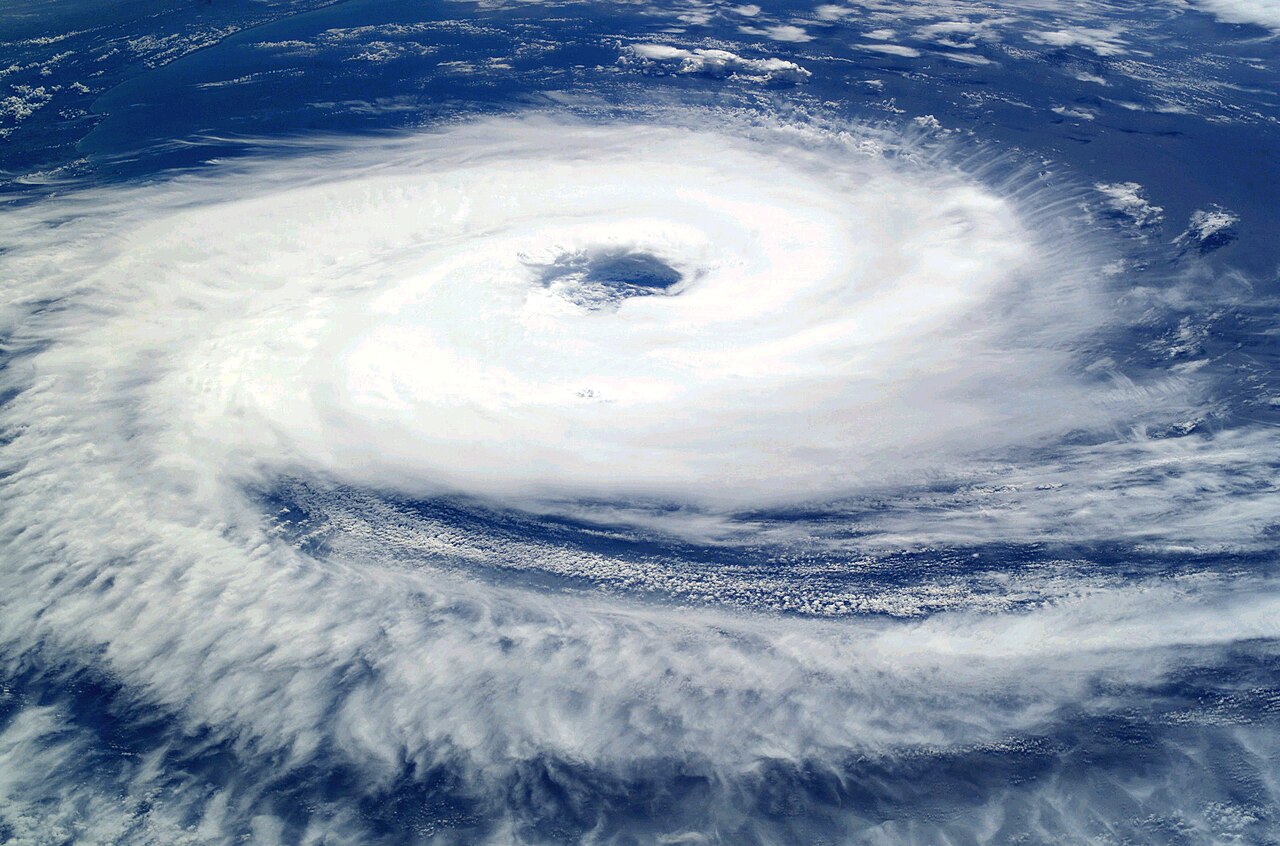
Hurricane Kyle was an Atlantic tropical cyclone during the 2008 season that began as a slow-moving low pressure system and produced prolonged rainfall and coastal hazards as it tracked northward. The system affected parts of the northeastern Caribbean, the U.S. Northeast, and Atlantic Canada. It is remembered for significant rain impacts in Puerto Rico, an unusual hurricane watch in Maine, and a landfall in Nova Scotia at minimal hurricane strength.
Image gallery
9 Images



Meteorological setting and development
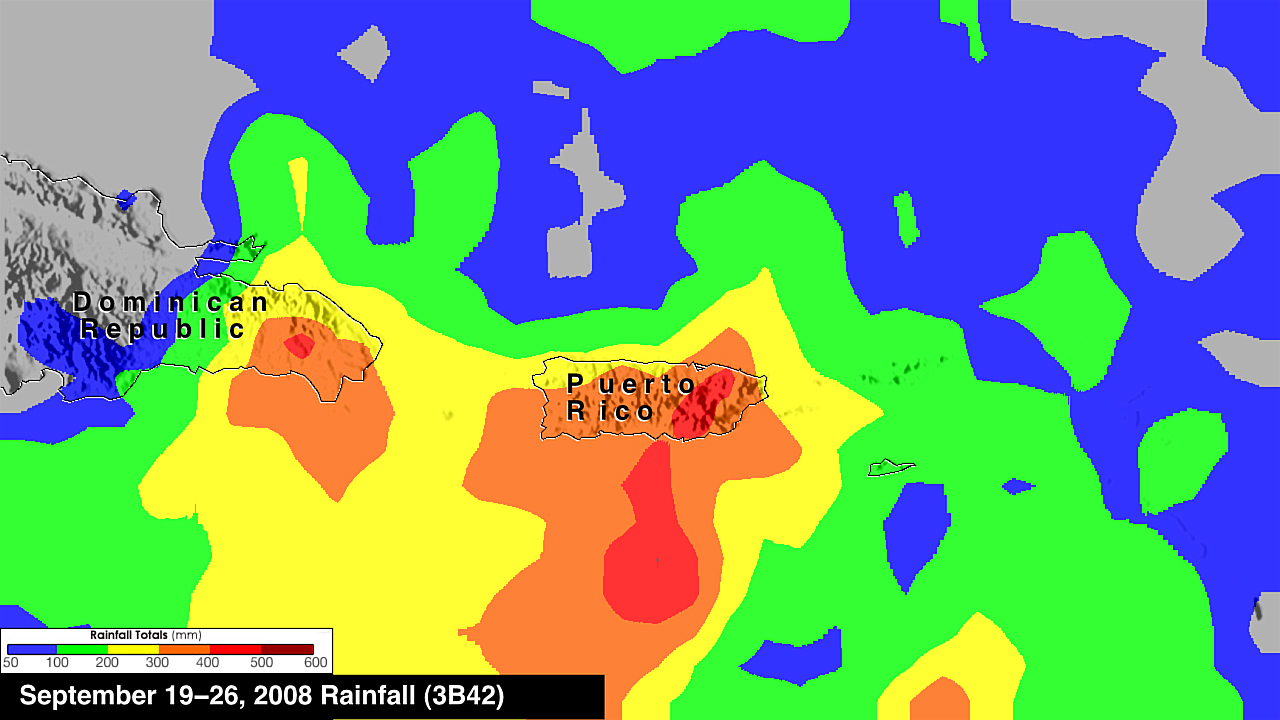
The system began as a broad area of low pressure that lingered near the northeastern Caribbean before organizing into a named tropical cyclone. Its slow forward motion allowed persistent convection and heavy precipitation over islands such as Puerto Rico and Hispaniola, where terrain enhanced rainfall totals. Observers placed Kyle within the context of the 2008 Atlantic hurricane season, and analyses described its early stage as a pronounced low pressure area that gradually acquired tropical characteristics.
Impacts and damage
In the Caribbean, the primary hazard was flooding from prolonged heavy rain. In Puerto Rico the storm's rainfall contributed to widespread inundation, resulting in several fatalities and substantial economic losses. Official estimates attributed most of the island's flood damage to Kyle's slow-moving rains. As the system moved north, coastal areas of the northeastern United States experienced high surf and dangerous rip currents; the wave action was noted along the shores of Rhode Island and Connecticut. Tragically, strong waves were implicated in the deaths of a newly married couple who were swept from rocky shoreline while attempting a rescue.
Warnings, watches and landfall
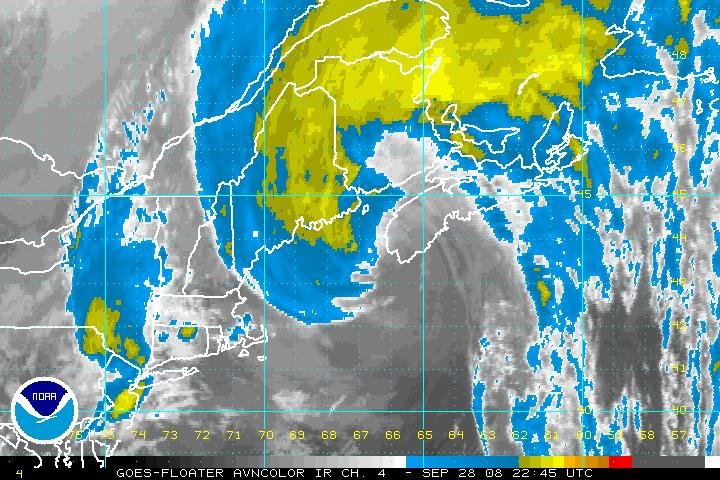
Authorities issued watches and advisories well ahead of Kyle's approach. A hurricane watch was issued for Maine — the state's first in approximately 17 years — reflecting concern for potential strong winds and coastal effects. Across the broader region, the watch marked the most significant tropical alert in New England since Hurricane Edouard brushed parts of Massachusetts about a decade earlier. Kyle ultimately made landfall in west-central Nova Scotia with winds near 75 mph, at the threshold of Category 1 hurricane intensity; damage in Atlantic Canada was relatively limited.
Aftermath and significance
Damage estimates varied by jurisdiction: Puerto Rico sustained the greatest monetary losses and several deaths tied to flooding, while Nova Scotia reported only minor structural damage and localized power outages. The storm highlighted how a slowly moving cyclone can cause outsized flooding even when wind speeds are modest. Emergency responses emphasized flood preparedness and coastal hazard awareness rather than large-scale wind destruction.
Notable facts and lessons
- Kyle illustrates how tropical systems can have their most severe effects from rainfall rather than wind.
- The storm prompted an uncommon hurricane watch for northern New England, underscoring the need for readiness in higher-latitude communities.
- Coastal rescues and recreational exposure to high surf remain a frequent source of fatalities during such events.
For further context about the season and regional preparedness, consult contemporary summaries and meteorological reports that reviewed Kyle's evolution and impacts in 2008.
Season summary | Low-pressure analysis | Puerto Rico impacts | Hispaniola rain | Maine watch | New England context | Hurricane Edouard | Massachusetts effect | Rhode Island surf | Connecticut coast | Fatal waves | Nova Scotia landfall
Questions and answers
Q: What was Hurricane Kyle and when did it occur?
A: Hurricane Kyle was a tropical storm and the sixth hurricane of the 2008 Atlantic hurricane season.
Q: How did Hurricane Kyle affect Puerto Rico and Hispaniola?
A: As a low pressure area, Hurricane Kyle moved slowly across Puerto Rico and Hispaniola, dumping heavy rains and resulting in six deaths and $48 million in damage.
Q: What happened when Hurricane Kyle hit Maine?
A: A hurricane watch was put up in Maine, which was the first time in 17 years that the state had a hurricane watch.
Q: When was the last time a hurricane watch was in effect in New England before Hurricane Kyle?
A: The last time a hurricane watch was in effect in New England before Hurricane Kyle was 12 years earlier when Hurricane Edouard brushed eastern Massachusetts.
Q: What kind of damage did Hurricane Kyle cause in Nova Scotia?
A: Hurricane Kyle struck west-central Nova Scotia as a mild hurricane with winds around 75 mph and caused minor damage at $9 million USD.
Q: What happened to a newly married couple during Hurricane Kyle?
A: A newly married couple was killed when high waves knocked the wife into rocky shores and the husband jumped in to save her but was overcome by the waves himself.
Q: How did Hurricane Kyle affect the coasts of Rhode Island and Connecticut?
A: The storm produced high waves along the coasts of Rhode Island and Connecticut.
Related articles
Author
AlegsaOnline.com Hurricane Kyle (2008): formation, impacts, and aftermath Leandro Alegsa
URL: https://en.alegsaonline.com/art/45944
Sources
- usatoday30.usatoday.com : Heavy Rains Drench Puerto Rico
- cbsnews.com : "Hurricane Kyle Roars Toward New England"
- express.co.uk : Hurricane Kyle Heads Toward Maine