
Hurricane Edouard (1996): Category 4 Atlantic hurricane
Hurricane Edouard (1996) was the strongest storm of the Atlantic season, a Category 4 hurricane that stayed mainly offshore but produced dangerous surf, two drownings in New Jersey, and limited coastal damage in New England.
Overview
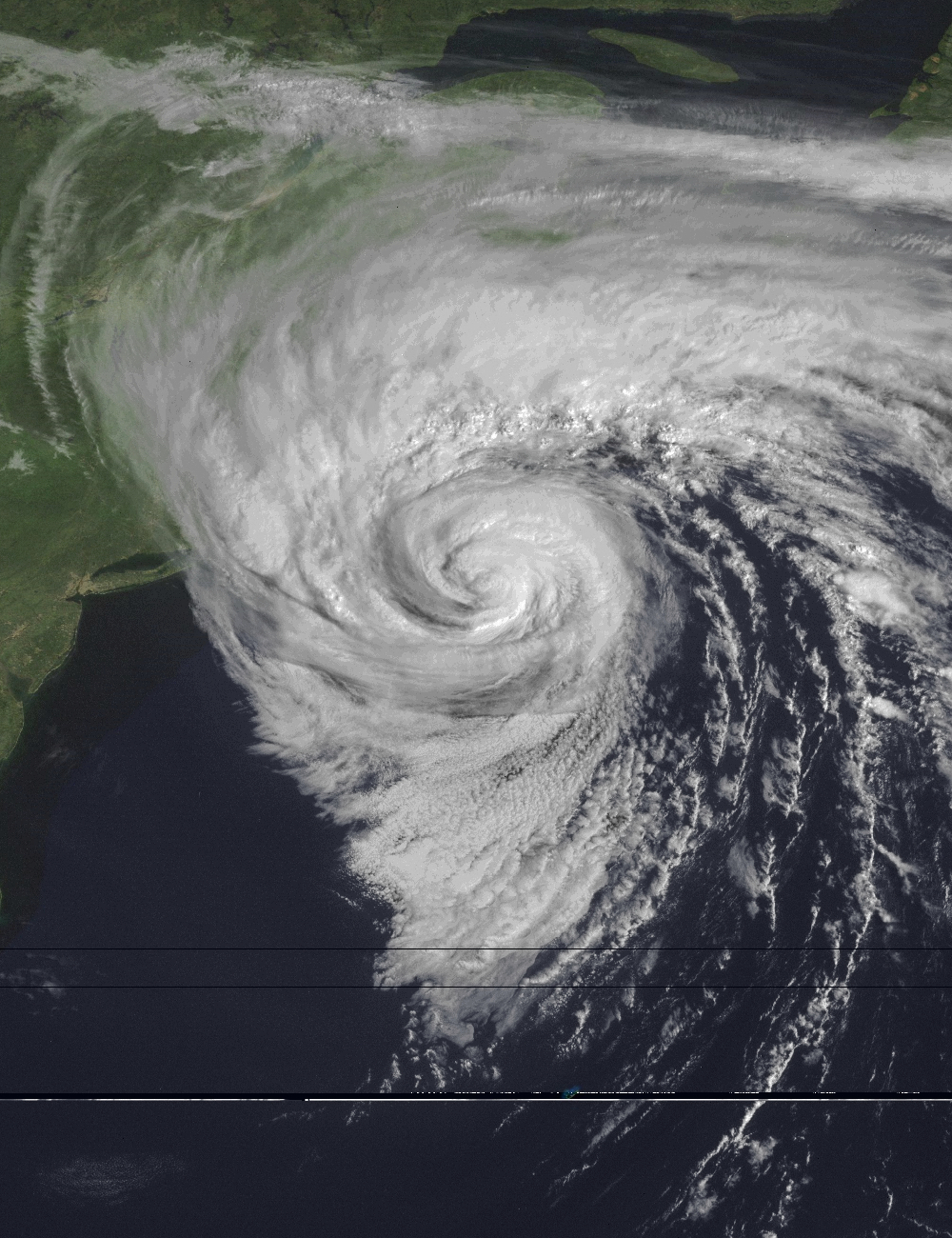
Hurricane Edouard was the most intense tropical cyclone of the 1996 Atlantic hurricane season. The storm reached Category 4 strength with maximum sustained winds near 145 mph and remained a major hurricane (Category 3 or higher) for approximately eight days. Edouard originated from a Cape Verde-type tropical wave and tracked generally west-northwestward across the central Atlantic before turning north and then northeast, keeping its center largely over open water and gradually accelerating as it encountered stronger mid-latitude flow. For a technical summary and official analyses see the storm report.
Image gallery
5 Images



Meteorological characteristics
At peak intensity Edouard displayed features typical of a strong Atlantic hurricane: a well-defined eye, deep, symmetric convection around the center, and a broad wind field. The storm benefited from warm ocean temperatures and relatively low wind shear during its intensification stage. Later, interaction with a mid-latitude trough and progressively cooler sea surface temperatures contributed to its recurvature and eventual extratropical transition as it moved northward parallel to the U.S. East Coast.
Impact and coastal effects
Although Edouard did not make a catastrophic landfall, its offshore track produced significant coastal effects along the U.S. East Coast and Atlantic provinces. The most serious human consequences were two drowning deaths on New Jersey beaches caused by large surf and powerful rip currents generated by the hurricane. Local officials emphasised the hazard of dangerous surf even when the storm center remained offshore.
- Fatalities: two drownings on the New Jersey shore related to storm-driven surf and rip currents (coastal impact summary).
- New England: parts of southeastern Massachusetts, including Nantucket, reported brief gusts near hurricane force and minor wind and beach erosion damage (regional notes).
- Maritime and shoreline: extended periods of high waves, hazardous conditions for small craft, and localized coastal flooding and erosion where onshore winds persisted.
Forecasting, warnings and response
Early forecasts showed uncertainty in the track, and at times official advisories indicated the possibility of more direct impacts along the northeastern United States. Watches and warnings were issued for portions of the coast while the storm’s path remained uncertain, and authorities emphasized beach closures and public safety messages about rip currents. The event underscored the challenge of multi-day track forecasting and the importance of heeding marine and coastal advisories even without a landfall.
Name, legacy and significance
The name Edouard was not retired after the 1996 season because the storm did not produce widespread, catastrophic damage; it remained on the World Meteorological Organization’s Atlantic naming lists and was reused in later seasons. For general information on naming conventions and retirement criteria see the naming policy and historical lists (name reuse details).
Hurricane Edouard is remembered for its long duration as a major hurricane and for demonstrating how storms can pose serious hazards through indirect effects such as large surf, hazardous rip currents, and coastal erosion even when the center stays offshore. The limited structural damage along populated coastlines reflected the storm’s offshore track, but the fatalities linked to surf-related incidents highlight the broader public-safety impacts of powerful hurricanes.
Questions and answers
Q: What was Hurricane Edouard and when did it occur?
A: Hurricane Edouard was the strongest hurricane in 1996, and it occurred in the Atlantic hurricane season.
Q: How strong were the winds of Hurricane Edouard?
A: The winds of Hurricane Edouard reached 145 miles an hour.
Q: How long did Hurricane Edouard remain as a major hurricane?
A: Hurricane Edouard remained as a major hurricane for around eight days.
Q: Where was Hurricane Edouard originally forecasted to hit?
A: Hurricane Edouard was originally forecasted to hit the Northeastern United States.
Q: Did Hurricane Edouard cause significant damage in the Northeastern United States?
A: No, Hurricane Edouard was much less severe in the Northeastern United States.
Q: Did Hurricane Edouard cause any casualties or damage?
A: Hurricane Edouard generated strong waves that killed two people on the coastal shore of New Jersey. The southeast coast of Massachusetts received minor hurricane force winds that caused minimal damage on Nantucket Island.
Q: Was the name Edouard retired as a result of the hurricane?
A: No, the name Edouard was not retired due to lack of serious damage. The name was used again in the 2002, 2008 and 2014 Atlantic hurricane seasons, and will be again during 2020.
Related articles
Author
AlegsaOnline.com Hurricane Edouard (1996): Category 4 Atlantic hurricane Leandro Alegsa
URL: https://en.alegsaonline.com/art/45868