
2008 Atlantic hurricane season
The 2008 Atlantic hurricane season produced 16 named storms, 8 hurricanes (5 major). It ran June 1–November 30; Arthur formed May 30. Gustav and Ike were among the most destructive storms of the year.
The 2008 Atlantic hurricane season describes tropical cyclone activity across the Atlantic basin during 2008. By convention the season officially runs from June 1 through November 30; in 2008 Tropical Storm Arthur developed on May 30, two days before the official start. Over the course of the year the basin produced 16 named storms, of which 8 became hurricanes and 5 reached major hurricane strength (Category 3 or higher on the Saffir–Simpson scale).
Image gallery
10 Images


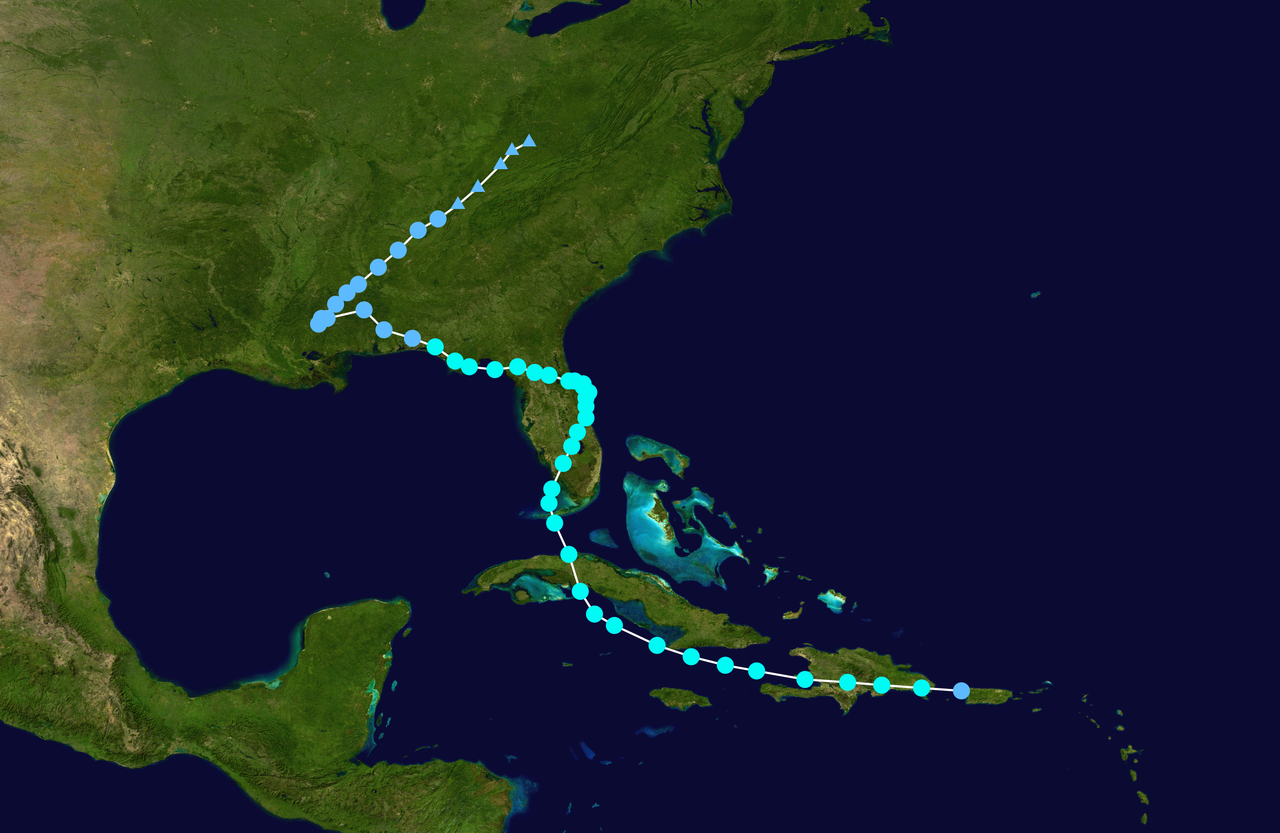


Overview and seasonal context
The season was more active than the long-term average for the Atlantic, with a notable concentration of powerful storms in late summer and early autumn. Tropical activity in 2008 reflected the typical seasonal pattern: genesis from tropical waves moving off West Africa, development across the central and western tropical Atlantic, and intensification through interaction with warm sea surface temperatures and favorable atmospheric conditions. Peak activity occurred from August through October, the climatological peak period.
Notable storms and impacts
A number of storms during 2008 produced significant impacts across the Caribbean, the Bahamas, and the United States. Hurricane Gustav and Hurricane Ike were among the most consequential: Gustav caused widespread damage in parts of the Caribbean and prompted large evacuations on the U.S. Gulf Coast, while Ike was a very large hurricane that produced severe destruction across portions of the Caribbean and caused a major storm surge and damage along the Texas coast. Other storms later in the year, including hurricanes that formed in October and November, affected islands in the eastern Caribbean and Cuba.
Characteristics and records
Several storms in 2008 reached major hurricane intensity, and the season featured a mix of long-lived systems and shorter-lived tropical storms. The year is often remembered for the scale and socioeconomic effects of its strongest hurricanes rather than for an exceptionally high storm count alone. Meteorological metrics such as accumulated cyclone energy (ACE) reflected above-average intensity compared with climatology.
Aftermath and naming
The severity of some 2008 storms led to substantial relief and rebuilding efforts in affected countries. Following the season, some storm names associated with particularly destructive systems were retired from the rotating name lists to avoid future confusion and sensitivity; among these retirements were the names Gustav and Ike. Lessons from 2008 informed preparedness planning and coastal resilience measures in subsequent years.
Summary
- Official season dates: June 1–November 30, 2008 (Arthur formed May 30).
- Named storms: 16; Hurricanes: 8; Major hurricanes (Category 3+): 5.
- Most notable storms: Gustav and Ike, which produced major damage in the Caribbean and the United States.
The 2008 Atlantic hurricane season remains a reference point for emergency management and tropical cyclone research because of its combination of frequency, intensity, and the human impacts of several large storms.
Questions and answers
Q: When did the 2008 Atlantic hurricane season start and end?
A: The season started on June 1 and ended on November 30.
Q: Was there a tropical storm that formed before the official start of the season?
A: Yes, Tropical Storm Arthur formed two days early on May 30, 2008.
Q: How many named storms were there during the 2008 Atlantic hurricane season?
A: There was a total of sixteen named storms.
Q: How many of the sixteen named storms were tropical storms?
A: All sixteen were tropical storms.
Q: How many hurricanes were recorded during the 2008 Atlantic hurricane season?
A: There were 8 hurricanes recorded.
Q: How many major hurricanes occurred during the 2008 Atlantic hurricane season?
A: There were 5 major hurricanes.
Q: Where did the tropical cyclones form during the 2008 Atlantic hurricane season?
A: The tropical cyclones formed in the Atlantic Ocean.
Related articles
Author
AlegsaOnline.com 2008 Atlantic hurricane season Leandro Alegsa
URL: https://en.alegsaonline.com/art/112406
Sources
- nhc.noaa.gov : "Tropical Storm Arthur Tropical Cyclone Report"
- wunderground.com : "Wunder Blog : Weather Underground"
- nhc.noaa.gov : "July 1 6z Tropical Weather Outlook"
- nhc.noaa.gov : "July 2 2:05a EDT Tropical Weather Discussion"
- nhc.noaa.gov : "Tropical Depression Two Advisory 1 Discussion"
- nhc.noaa.gov : "Tropical Depression Two Advisory 2 Discussion"
- nhc.noaa.gov : "Hurricane Bertha Public Advisory 27"
- nhc.noaa.gov : Atlantic Hurricane Database.
- nhc.noaa.gov : "Hurricane Bertha Public Advisory 63"
- nhc.noaa.gov : "Archived copy" · webcitation.org
- hpc.ncep.noaa.gov : "HPC Public Advisory 44 Fay"
- bayoubuzz.com : "Archived copy"