
Hydroelectricity and dams in the Dominican Republic
Overview of hydroelectric generation and dam infrastructure in the Dominican Republic, including characteristics, history, uses, environmental effects, and future challenges.
Overview
The Dominican Republic relies on a network of hydroelectric facilities distributed across its river basins. Numerous hydroelectric plants convert river flow into electricity for the national grid, often using reservoirs to regulate seasonal variability. Hydropower is one component of a mixed electricity system that also includes thermal, wind and solar sources.
Image gallery
2 Images
Geography and structure
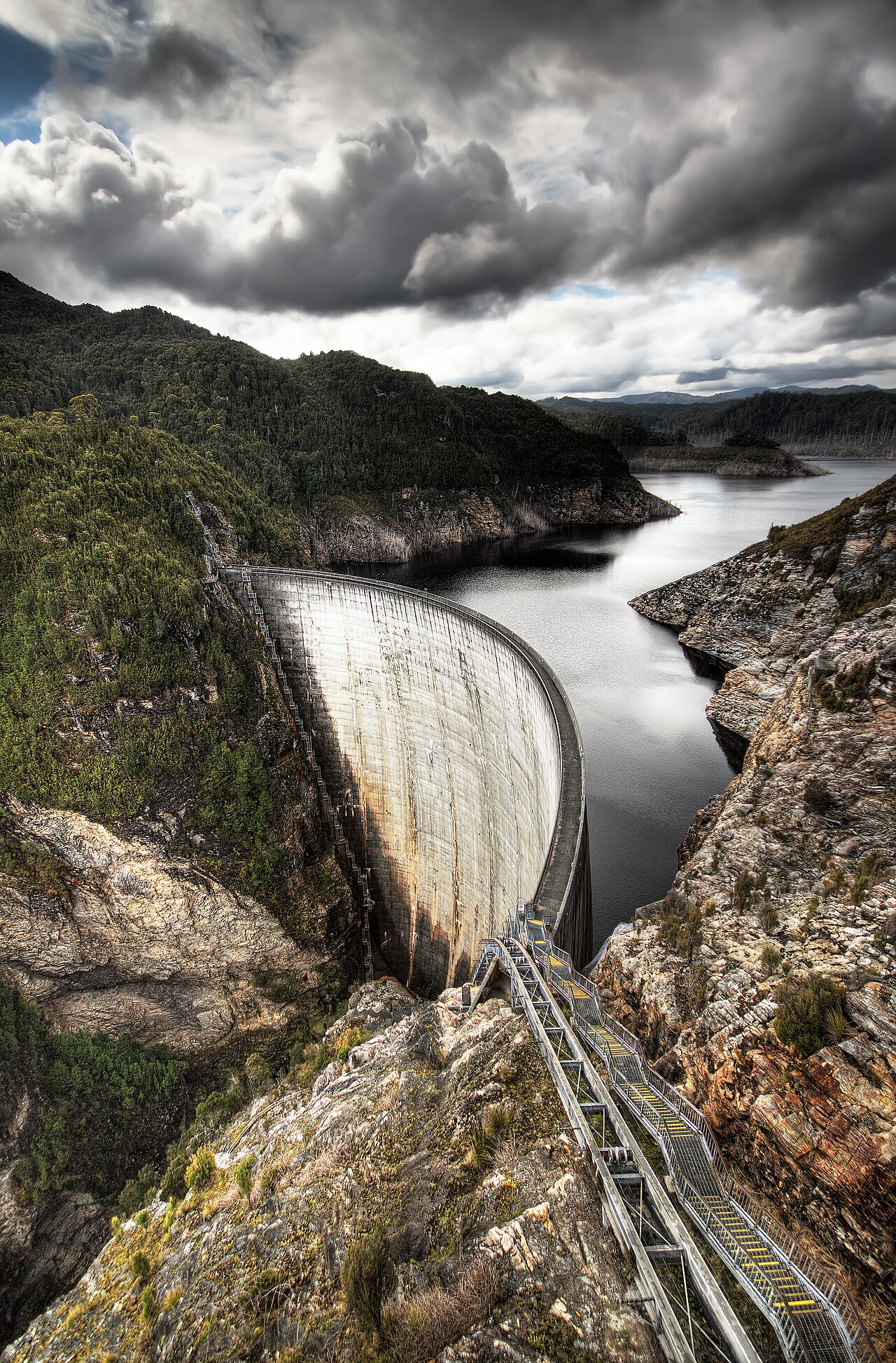
The island’s topography and rainfall patterns feed a system of rivers, lakes and smaller streams that supply water to turbines. Many project sites also feature scenic falls and cascades (waterfalls) that mark steep drops used for run-of-river schemes or storage dams. Typical dam complexes include a reservoir, intake structures, penstocks, a powerhouse with turbines and transformers, and transmission lines linking to the grid.
Some installations are large reservoir dams that store water through the wet season to sustain generation in drier months, while others are run-of-river plants that depend directly on current flow. Both designs aim to balance electricity production with water management needs for irrigation and flood control.
History and development
Hydropower in the country began with small, local plants and expanded as demand for electricity grew. Over time public and private investment modernized older facilities, added generators, and improved transmission. Notable complexes, such as the Tavera-Bao system, illustrate how multi-reservoir projects serve both energy and water-supply roles. Recent decades have seen refurbishment and integration efforts to increase reliability and efficiency.
Uses and importance
- Electricity generation: contributing to the national supply and reducing fuel imports when output is high.
- Water regulation: reservoirs provide irrigation water, drinking supply and flood attenuation.
- Socioeconomic: dams can support local jobs, recreation and tourism around reservoir areas.
- Grid balancing: hydropower often complements intermittent wind and solar generation by providing flexible output.
Environmental and social impacts
While hydropower is renewable, dams affect river ecosystems, fisheries and sediment transport. Reservoir creation can inundate land and displace communities, and sedimentation reduces storage capacity over time. Environmental assessments and mitigation measures—such as fish passages, managed flow releases and reforestation—are increasingly part of project planning.
Climate variability also matters: dry spells and altered precipitation patterns can reduce hydropower output and highlight the importance of diversified energy portfolios and water management strategies. Ongoing policy and technical efforts focus on modernization, multipurpose operation, and minimizing ecological and social costs while maintaining the benefits of reliable, renewable electricity.
For further technical and site-specific details see resources on national watercourses and hydroelectric inventories: rivers, lakes and plant listings at hydroelectric plants. Project reports and environmental studies often cite local streams and cascade sites (streams, waterfalls) when describing impacts and opportunities.
Related articles
Author
AlegsaOnline.com Hydroelectricity and dams in the Dominican Republic Leandro Alegsa
URL: https://en.alegsaonline.com/art/46086