
Hurricane Inez (1966) — late-season Caribbean and Gulf hurricane
Hurricane Inez was a powerful late‑season 1966 hurricane that struck the Caribbean and Mexico, causing widespread damage and over 1,000 deaths; its name was retired the following year.
Hurricane Inez was a destructive late‑season tropical cyclone that affected the Caribbean, parts of the United States, and Mexico in late September and mid‑October 1966. It intensified to sustained winds estimated just above 150 miles per hour, a strength close to the Category 5 threshold on the Saffir–Simpson scale. The storm followed a complex track with multiple close approaches and landfalls, producing heavy rainfall, storm surge, and violent winds over a wide area.
Image gallery
9 Images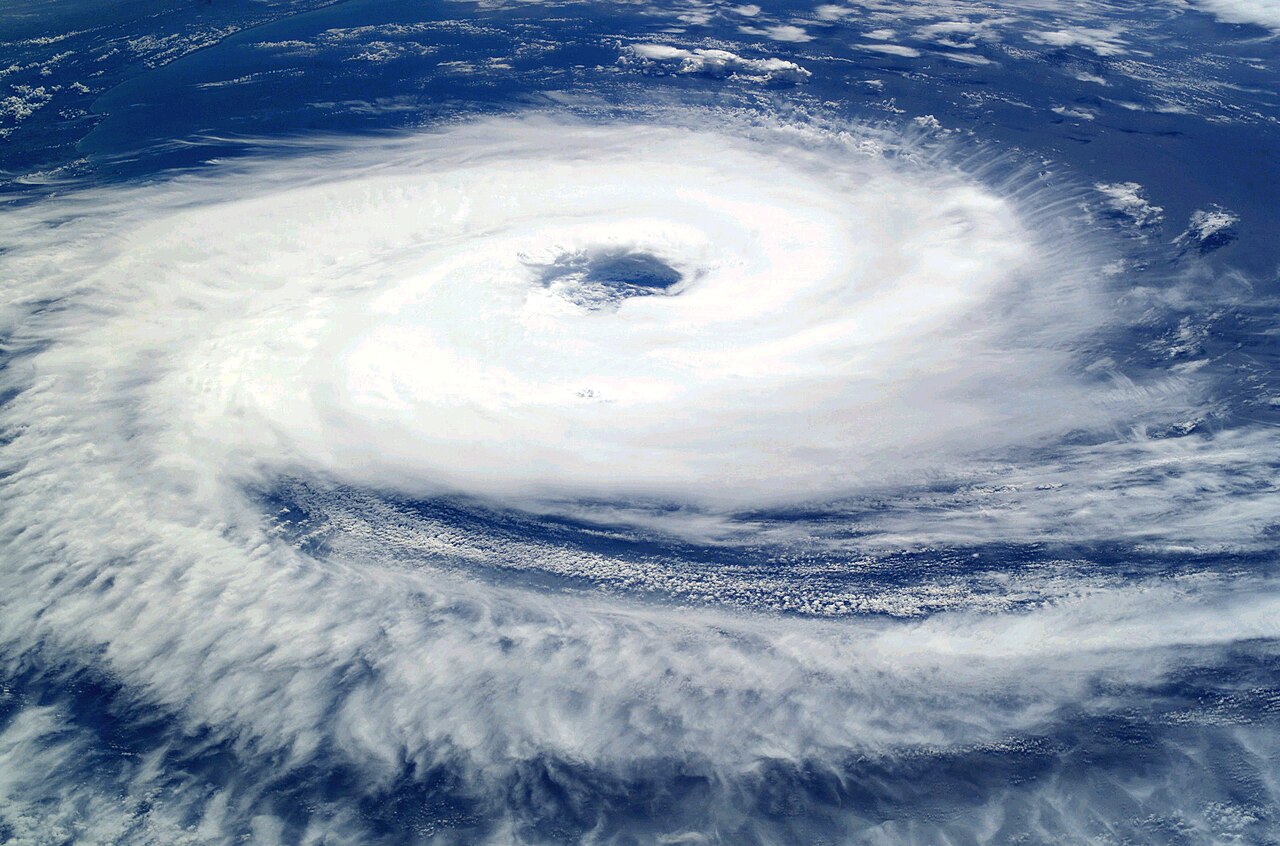


Characteristics and meteorology
Inez developed in the Atlantic basin in late September 1966 and strengthened as it moved westward. Forecasters at the time recorded rapid intensification episodes and a deep central pressure consistent with a very powerful hurricane. Although technical details of reconnaissance and observing systems in 1966 differ from modern records, contemporaneous estimates put peak winds at just over 150 mph, indicating an extremely dangerous system at its peak intensity.
Path and affected regions
The hurricane passed over and near several populated islands and coastal areas. It crossed Cuba and moved through the Florida Keys before impacting Hispaniola (Haiti and the Dominican Republic) and making landfall along parts of Mexico. For broader background on late‑season Atlantic storms and their behavior see additional resources.
Damage, casualties, and social impact
Inez was one of the deadliest storms of the 1960s. Combined impacts across the countries it struck resulted in more than 1,000 fatalities and widespread destruction of housing, infrastructure, and crops. Monetary losses were large for the era; reported damage totalled about $226.5 million (1966 USD). The humanitarian consequences were severe in some rural and mountainous areas, where flooding and landslides worsened the toll.
Aftermath and legacy
Relief and reconstruction efforts followed in several countries, involving local authorities and international assistance. The storm highlighted the vulnerability of Caribbean and Gulf coastal communities to intense late‑season hurricanes and informed later improvements in forecasting and preparedness. Because of the storm's severity and death toll, the name Inez was retired from the rotating list of Atlantic hurricane names the following spring, a measure reserved for particularly destructive storms.
Notable facts and distinctions
- Inez occurred late in the official hurricane season, demonstrating that powerful storms can develop outside the peak months.
- The storm's wide area of impact—several islands and continental coastlines—combined wind, surge, and rainfall hazards to produce varied types of damage.
- The retirement of the name underscores the historical significance of the event in the region's disaster history.
For more detailed contemporary reports and archived meteorological analyses consult dedicated historical hurricane resources and national weather services via the links above. Each affected country experienced different patterns of damage and recovery, and historical studies continue to refine the storm's precise intensity and impacts.
Related articles
Author
AlegsaOnline.com Hurricane Inez (1966) — late-season Caribbean and Gulf hurricane Leandro Alegsa
URL: https://en.alegsaonline.com/art/45911