
Hurricane Irene (1999): formation, impacts, and aftermath
October 1999 Atlantic hurricane formed in the western Caribbean; produced heavy rain and flooding across Florida, North Carolina and Virginia, causing 18 deaths and about $800 million damage in the U.S.
Hurricane Irene (1999) was an Atlantic tropical cyclone that formed in mid‑October and produced widespread heavy rainfall and flooding along parts of the southeastern United States. The system developed from a tropical wave and moved northward, bringing significant precipitation and localized storm impacts to Florida and portions of the Carolinas and mid‑Atlantic states. For general background on these systems see Atlantic tropical cyclone.
Image gallery
9 Images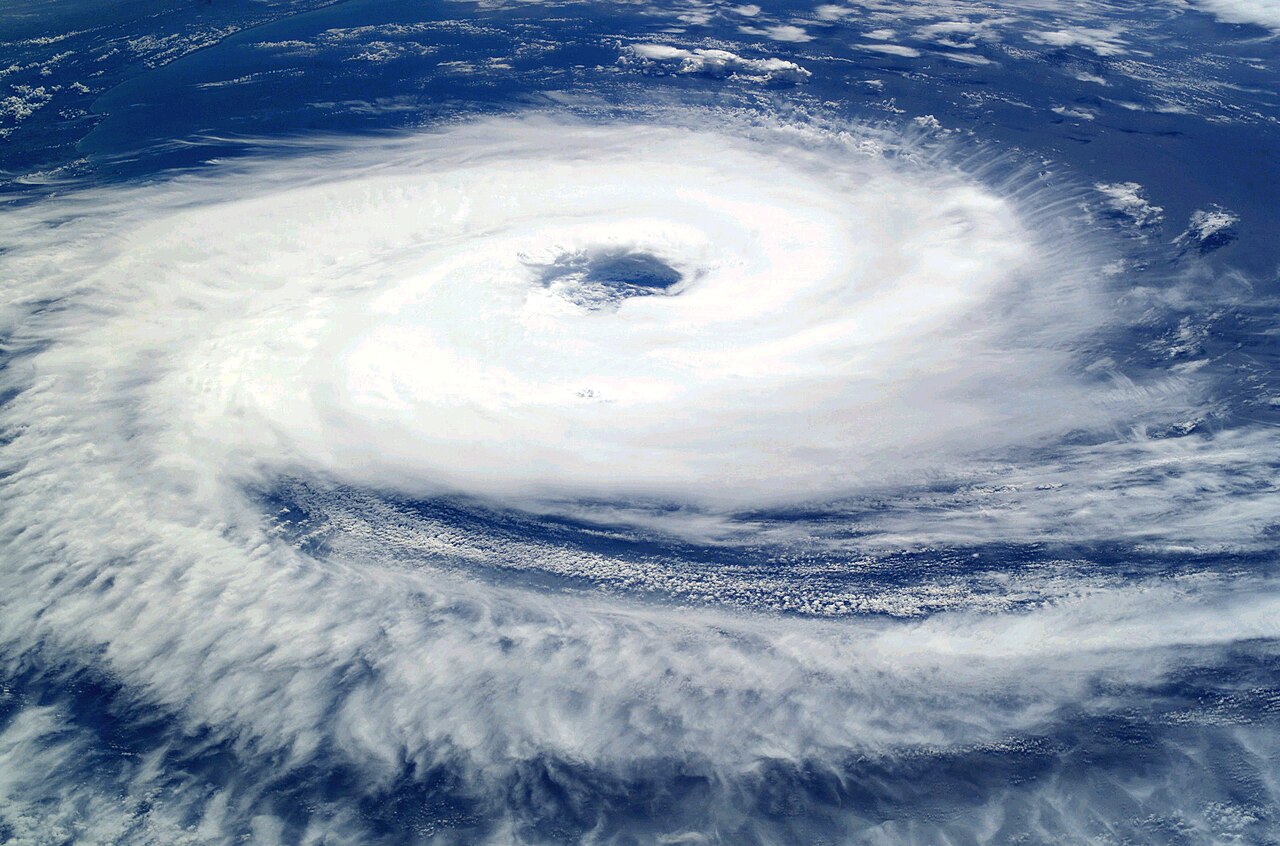


Meteorological history
The disturbance that became Irene consolidated over the western Caribbean Sea on October 13, where relatively warm waters and a tropical wave allowed a low‑pressure center to organize. The system intensified as it moved northward and interacted with mid‑level atmospheric flow. Irene did not become notable for extreme sustained winds at landfall compared with some contemporaneous storms, but its large circulation and slow movement produced prolonged, heavy rainfall over a broad area. For regional context consult summaries of the western Caribbean basin.
Impacts by region
Florida experienced extensive rainfall and associated urban and river flooding. Low‑lying areas and coastal communities reported inundation and localized damage to roads and buildings. Inland from the coast, saturated soils contributed to fallen trees and power outages. The storm affected communities across Florida, where emergency services carried out water rescues and infrastructure repairs.
Farther north, parts of North Carolina and Virginia recorded totals in excess of 10 inches in some locations. Those totals produced stream and river flooding, causing road closures and damage to bridges and agricultural land. Coastal erosion and minor storm surge were reported in exposed areas. Across the United States, roughly 18 deaths were attributed to the storm and the overall damage estimate was about $800 million; national summaries address effects for the United States.
Aftermath and response
Immediate response activities focused on search and rescue, clearing debris, restoring power, and reopening transportation links. Short‑term recovery emphasized temporary housing and assistance to damaged small businesses. Longer term repairs included rebuilding damaged infrastructure and improving flood mitigation in vulnerable locations. State and local emergency management agencies reviewed performance and updated preparedness guidance in the wake of heavy‑rain events.
Significance and comparison
Irene is commonly noted for its precipitation and inland impacts rather than extreme wind intensity. Its rainfall pattern recalled earlier 20th‑century storms that also produced widespread flooding rather than concentrated coastal wind damage. The event is included in regional seasonal summaries and historical compilations of late‑season Atlantic storms; additional technical details and advisory archives are available through specialized meteorological reports and national weather service records.
For localized accounts, recovery narratives and official statements, see state and municipal emergency management reports and regional storm summaries that document how communities in Florida, North Carolina and Virginia responded after the storm. General resources on tropical cyclone behavior and hazards are available through public meteorological and research organizations (Atlantic tropical cyclone, western Caribbean basin reports).
Related articles
Author
AlegsaOnline.com Hurricane Irene (1999): formation, impacts, and aftermath Leandro Alegsa
URL: https://en.alegsaonline.com/art/45915
Sources
- web.archive.org : "Hurricane Irene 1999"