
Hurricane Irene (2005)
A long-lived Cape Verde hurricane of the 2005 Atlantic season. Irene reached Category 2 strength but remained over open water; its primary effects were marine hazards and rip currents along the U.S. East Coast.
Overview
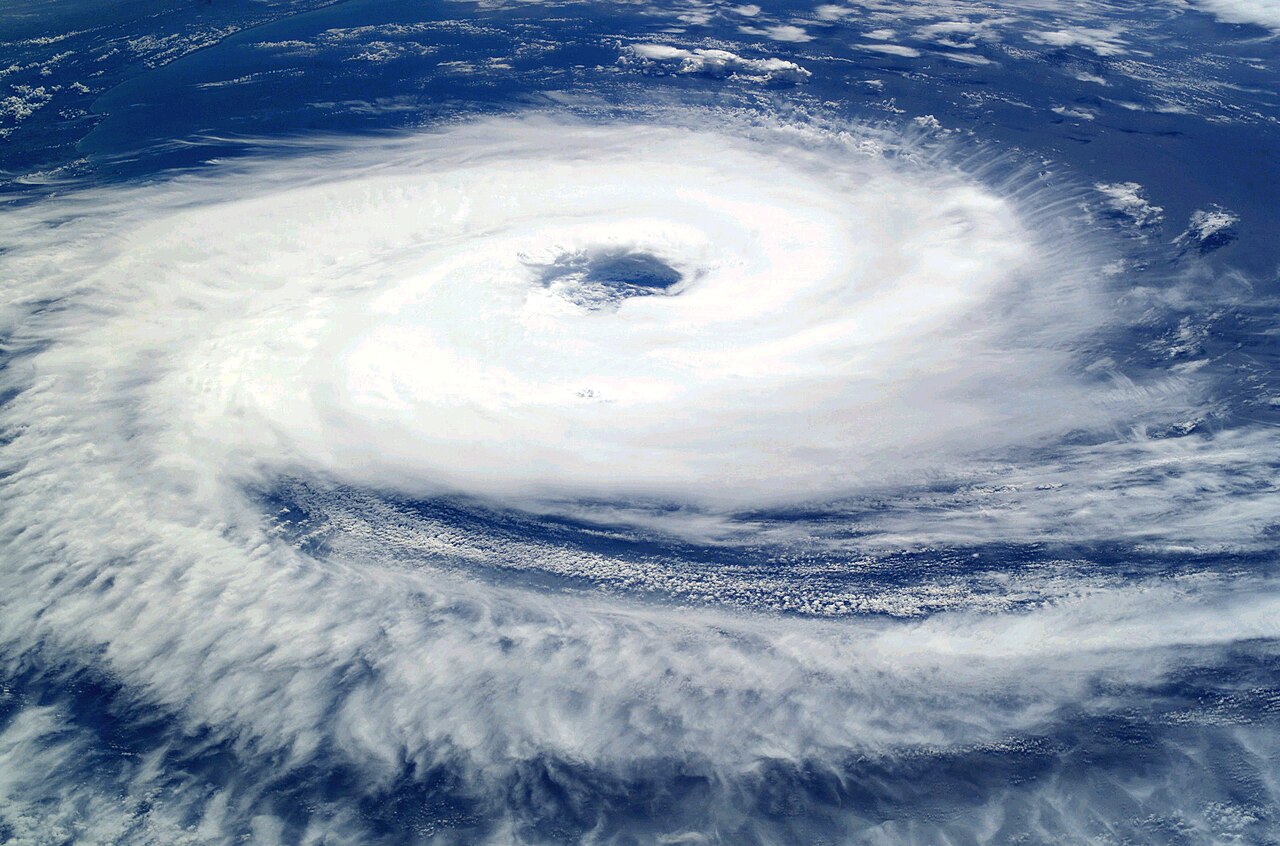
Hurricane Irene was an Atlantic tropical cyclone that formed during the active 2005 hurricane season. It originated from a tropical wave near the Cape Verde Islands on August 4 and persisted as a tropical system for about 14 days, making it the longest-lived storm of that season. Irene strengthened and weakened several times as it crossed the central and western Atlantic, eventually achieving Category 2 intensity on the Saffir–Simpson scale before turning northward and losing tropical cyclone status southeast of Newfoundland.
For general context see Atlantic hurricane and background on the 2005 Atlantic hurricane season. The storm tracked westward across open ocean and later curved north, passing to the east of Bermuda; its route across the Atlantic is summarized in historical track maps and analyses (Atlantic tracking resources, Bermuda region reports).
Image gallery
6 Images


Meteorological history and characteristics
As a Cape Verde-type hurricane, Irene developed from a tropical wave that moved off the coast of Africa and organized over warm equatorial waters. The system underwent periods of weakening and re-intensification: forecasters noted it nearly dissipated on August 10 but the circulation reformed and the storm regained strength, eventually reaching Category 2 intensity on August 16. Irene remained a primarily oceanic storm and transitioned to an extratropical or post-tropical cyclone when it moved into cooler waters to the southeast of Newfoundland and lost its tropical characteristics (tropical cyclone lifecycle, Newfoundland region advisories).
Impacts and human effects
Because Irene stayed well offshore for the entirety of its life, it did not prompt tropical storm or hurricane warnings for populated areas and caused no direct landfall damage. Its main impacts were marine: persistent swell and dangerous surf affected the U.S. East Coast and Atlantic-facing shorelines. These conditions produced rip currents that led to multiple rescues by lifeguards and at least one fatality when a teenager drowned near Long Beach, New York. Lifeguards reported more than 100 rescues at some beaches during the period of elevated surf (East Coast surf advisories, local news and incident summaries).
Significance and notable facts
- Duration: Irene’s roughly 14-day life as a tropical system made it the longest-lived tropical cyclone of the 2005 season, which was otherwise notable for many intense and destructive storms.
- Forecasting challenge: the storm’s weakening and regeneration made track and intensity forecasts difficult during several stretches, illustrating the challenges of predicting tropical cyclone evolution over the open Atlantic (forecast analyses).
- Name reuse: the name Irene was not retired after 2005 and was subsequently used again in 2011, when a different Hurricane Irene caused significant damage after making landfall in the United States.
Although Irene (2005) did not produce major terrestrial damage, it serves as an example of a long-lived Cape Verde hurricane whose primary hazards were maritime. Its history is of interest to meteorologists studying storm longevity, re-intensification, and the relationship between remote tropical cyclones and coastal surf and rip current risks.
Questions and answers
Q: When did Hurricane Irene form?
A: Hurricane Irene formed on August 4 in the 2005 Atlantic hurricane season.
Q: Where did Hurricane Irene form?
A: Hurricane Irene formed near the Cape Verde Islands.
Q: How long did Hurricane Irene last as a tropical system?
A: Hurricane Irene lasted for 14 days as a tropical system, which was the longest time of any storm of the 2005 season.
Q: Did Hurricane Irene cause any bad damage?
A: Hurricane Irene did not cause any bad damage, but it caused strong waves along the East Coast of the United States.
Q: Did Irene trigger any tropical cyclone warnings?
A: No tropical cyclone warnings were declared as Irene stayed far away from land.
Q: Did anyone die because of Hurricane Irene?
A: Yes, a 16-year-old boy drowned after being caught in a rip current near Long Beach, New York because of the waves caused by Hurricane Irene.
Q: Is "Irene" still used as a name for storms?
A: Yes, "Irene" was used again in 2011.
Related articles
Author
AlegsaOnline.com Hurricane Irene (2005) Leandro Alegsa
URL: https://en.alegsaonline.com/art/45916
Sources
- nhc.noaa.gov : "Tropical Cyclone Report: Hurricane Irene"
- www4.ncdc.noaa.gov : "NCDC Event Report: New York Rip Current"
- abclocal.go.com : "Hurricane Irene Affecting Jersey Shore"