
Helm of Darkness (Cap of Invisibility)
A legendary object from Greek myth, the Helm of Darkness (Cap of Invisibility or Cap of Hades) is a magic helmet associated with Hades and used by gods and heroes to become unseen.
Overview
The Helm of Darkness, often called the Cap of Invisibility or the Cap of Hades, is a recurrent element in ancient Greek tradition that renders its wearer unseen. References and summaries of the item appear in diverse accounts and later retellings; consult ancient sources and general works on mythology for broad context. The helm functions in stories as a device of stealth, protection, or transition between visible and hidden realms, and storytellers use it to alter the balance of contests or permit gods and heroes to move undetected among mortals.
Image gallery
1 Image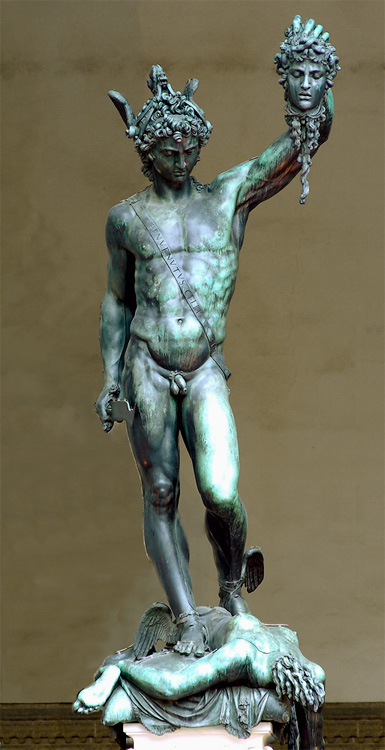
Characteristics
Descriptions generally present the object as a compact headpiece rather than full face-covering armor. Many texts call it a helmet or cap and associate it with the ruler of the underworld. The precise scope of its power varies by source: some tellings grant complete invisibility to all observers, others restrict its effect to the sight of mortals or to particular circumstances. In several narratives the item also symbolizes the authority of the underworld and the ability to pass between divine domains.
Origins and Manufacture
Traditional accounts attribute the forging of divine weapons and gifts to the smithing giants known as the Cyclopes. In these traditions the Cyclopes are credited with producing the lightning bolt for Zeus, the trident for Poseidon, and a cap or helm for the lord of the underworld. Because surviving ancient narratives differ in detail, later commentators treat the origin story as part of a flexible mythic pattern linking smithcraft, raw power, and divine distribution of exceptional tools.
Mythic Users
The helm is most commonly associated with Hades as his emblem or possession, but mythic episodes credit others with its temporary use. The hero Perseus is widely said in later cycles to have used a cap of invisibility during his quest to approach Medusa. Deities such as Athena and the messenger Hermes also appear in some versions as users or facilitators, and a few narratives mention Hermes again in contexts where swift movement or disguise is required. These variations reflect different narrative needs and local traditions.
Symbolism and Cultural Influence
The idea of an item that confers invisibility is a widespread folkloric motif; the Greek helm is an influential classical instance. It combines themes of subterranean authority, craftmanship, and the ethical questions raised by invisible agency. In later literature and modern fantasy the image of a helmet, cap, or cloak producing unseen movement draws on this ancient model. Scholarly discussions of studies of Athena, comparative treatments of arms and armor, and work on the Cyclopes and their forges help trace how the motif developed in antiquity and in later reception history.
Further Reading
Because primary accounts vary, readers interested in the Helm of Darkness should consult collections of classical myths and scholarly summaries available in compendia and translations; see general compilations at ancient sources and introductory surveys linked from reference guides on mythology.
Related articles
Author
AlegsaOnline.com Helm of Darkness (Cap of Invisibility) Leandro Alegsa
URL: https://en.alegsaonline.com/art/43407
Sources
- mythagora.com : "Helm of Hades (Cap of Hades)"