
Perseus: Greek Hero, Slayer of Medusa and Founder of Mycenae
Perseus, a demigod son of Zeus and Danaë, is a central figure in Greek mythology known for beheading Medusa, rescuing Andromeda, and founding the royal line of Mycenae.
Overview
Περσεύς, known in English as Perseus, is one of the best-known figures in Greek mythology. Traditionally described as a hero and demigod, he combines divine parentage with mortal action. Classical stories present him as the reputed founder of Mycenae and as an ancestor of several important royal lines.
Image gallery
10 Images


Birth and lineage
Perseus is commonly described as the son of Zeus and the mortal princess Danaë. Myths tell that his birth led to conflict with her father, and the infant Perseus survived extraordinary dangers on his way to adulthood. Because of his divine father, he is categorized as a demigod and appears alongside other semi-divine figures in the Greek heroic age; in some genealogies he is also connected to Herakles as part of a wider heroic family network.
Famous exploits
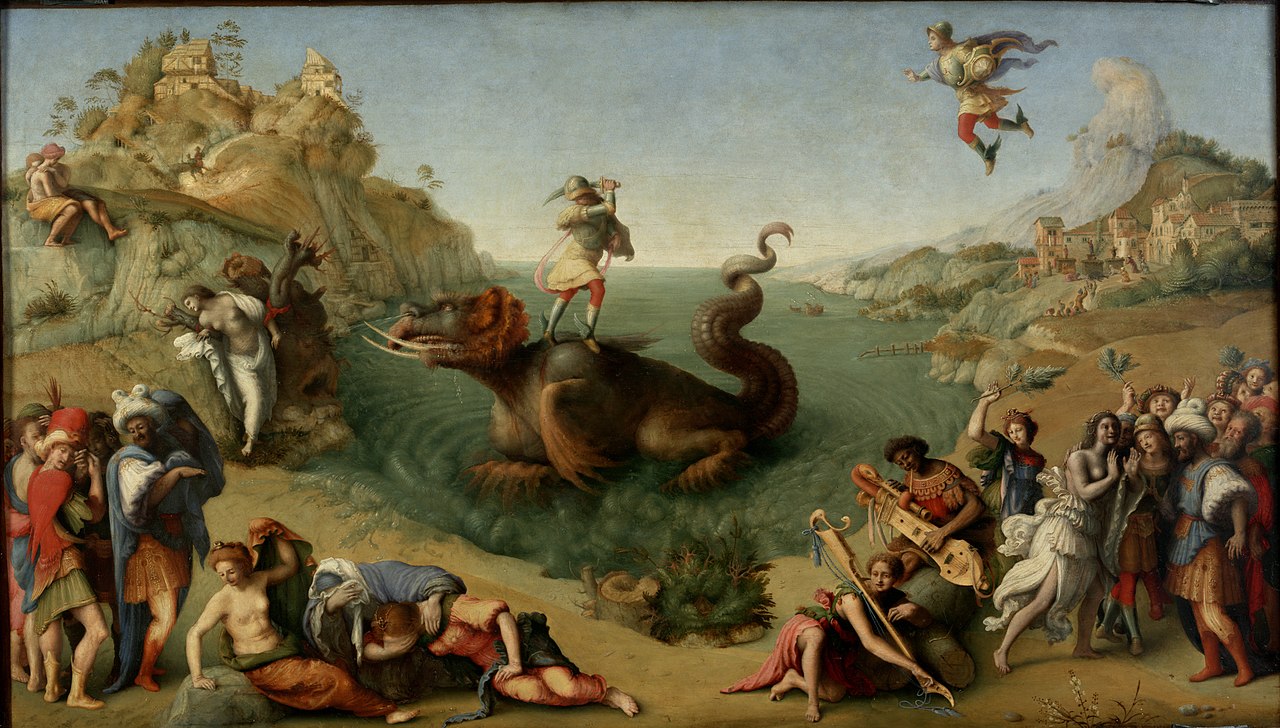
Perseus’s most famous deed is the slaying of the Gorgon Medusa, a monstrous sister whose gaze turned onlookers to stone. Stories emphasize his clever use of gifts from the gods—mirrors or polished shields, winged sandals, and a protective bag—to avoid looking directly at the creature and to transport her head afterward. Another celebrated episode describes how he rescued the Ethiopian princess Andromeda from a sea-monster, a tale often paired with the Medusa myth in art and literature.
Roles and legacy
Beyond single adventures, Perseus serves as a cultural ancestor: his marriage to Andromeda and their offspring establish dynastic links. Classical sources name children such as Perses, Alkaios, Sthenelos, Elektryon and Gorgophone, who figure in later myths and royal genealogies. His exploits were depicted widely in ancient art and remained influential in Roman and later European storytelling and heraldry.
Notable features and variations
Accounts of Perseus vary by author and region. Some emphasize divine assistance, others highlight mortal ingenuity; some local traditions claim he founded cities or transferred relics to sanctify palaces. The image of Perseus with Medusa’s head became an enduring emblem—used in sculpture, coinage and literature—to represent protection, cleverness and the triumph of order over monstrous threat.
Key episodes and descendants
- Perseus and the Gorgons (Medusa) — the central monster-slaying myth.
- Rescue of Andromeda — a heroic rescue that leads to marriage and offspring.
- Founding and royal line — ancestral role for Mycenaean and later kings.
For further reading on linguistic forms, mythic variants and artistic depictions, see specialized surveys of Greek epic and classical art. Ancient stories about Περσεύς continue to be retold in modern scholarship and popular culture, reflecting shifts in how heroism and divinity are understood.
Questions and answers
Q: Who is Perseus?
A: Perseus is a hero in Greek mythology. He is the legendary founder of Mycenae and is most famous for killing the Gorgon Medusa.
Q: What type of being was Perseus?
A: Perseus was a demigod, the son of Zeus and the mortal princess Danaë.
Q: Who did Perseus marry?
A: Perseus married the Ethiopian princess Andromeda.
Q: How many children did they have together?
A: Together, they had five children - four sons (Perses, Alkaios, Sthenelos, Elektryon) and one daughter (Gorgophone).
Q: What relation was Herakles to Perseus?
A: Herakles was the great-grandson of Perseus as well as his half-brother.
Q: Where did he become famous for killing something?
A: He became famous for killing the Gorgon Medusa.
Q: What city did he found?
A: He founded Mycenae.
Related articles
Author
AlegsaOnline.com Perseus: Greek Hero, Slayer of Medusa and Founder of Mycenae Leandro Alegsa
URL: https://en.alegsaonline.com/art/75939