
Athena: Greek goddess of wisdom, warfare, and crafts
Athena, one of ancient Greece's chief deities, embodied wisdom, strategic warfare, and skilled crafts; patroness of Athens, featured in many myths and central to classical art, cult, and civic identity.
Overview
Athena is among the principal deities of ancient Greek religion, commonly regarded as the goddess of wisdom, strategic warfare, and skilled handiwork. She is counted as one of the Twelve Olympians and functions as a protector of cities and a patron of civilized life. Classical portrayals emphasize intelligence, counsel, and technical skill rather than uncontrolled violence.
Image gallery
10 Images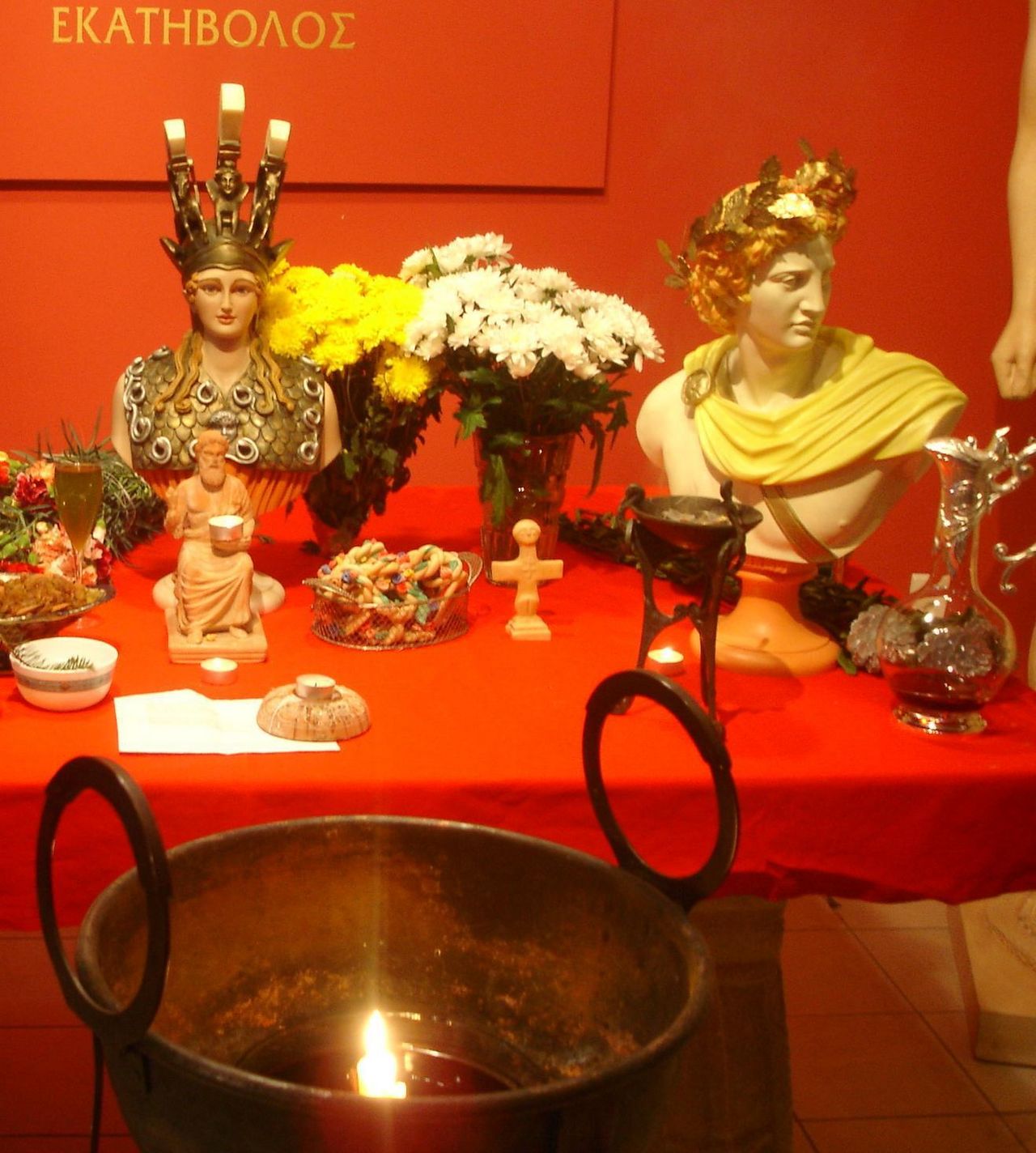





Attributes and symbols
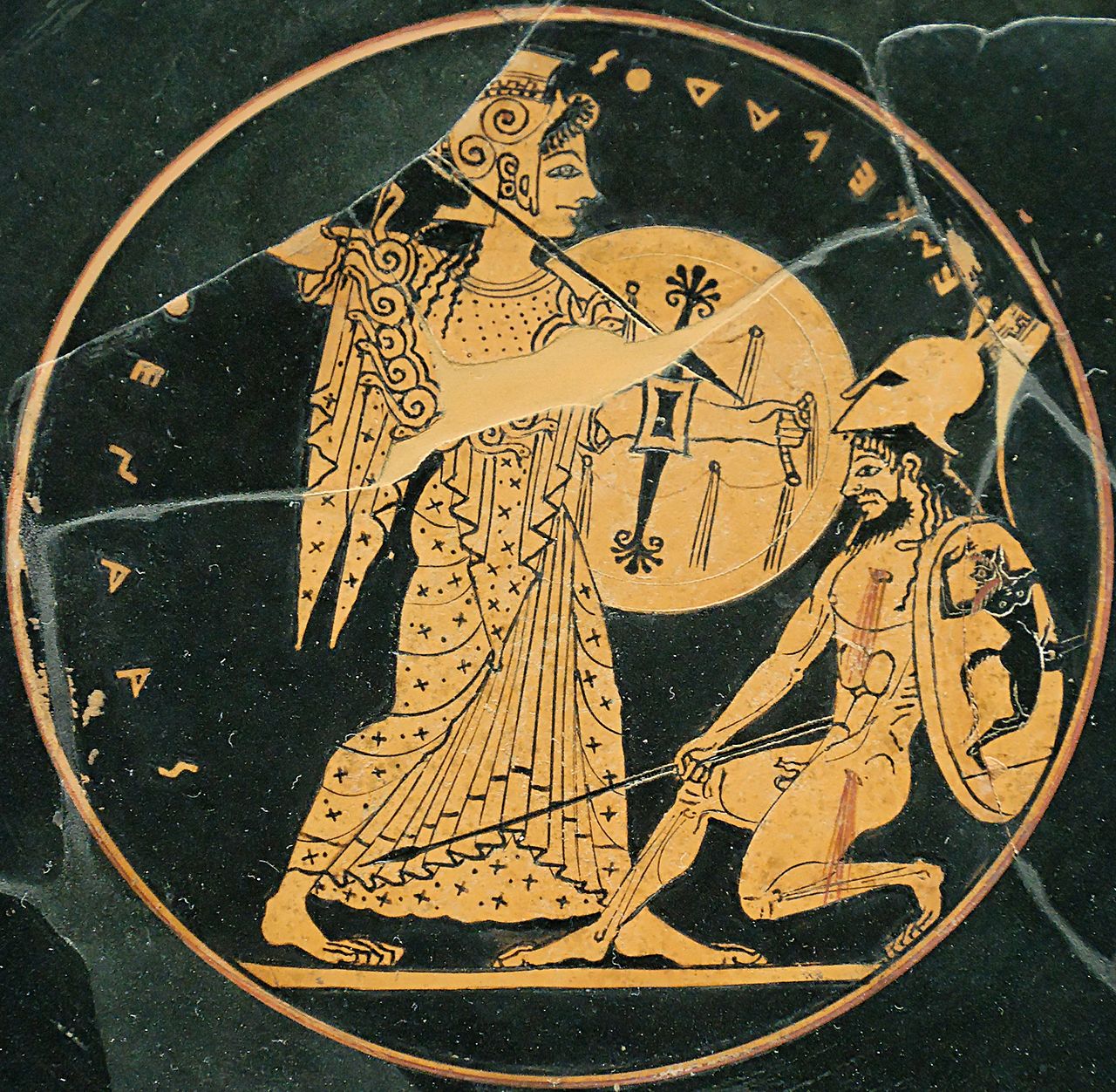
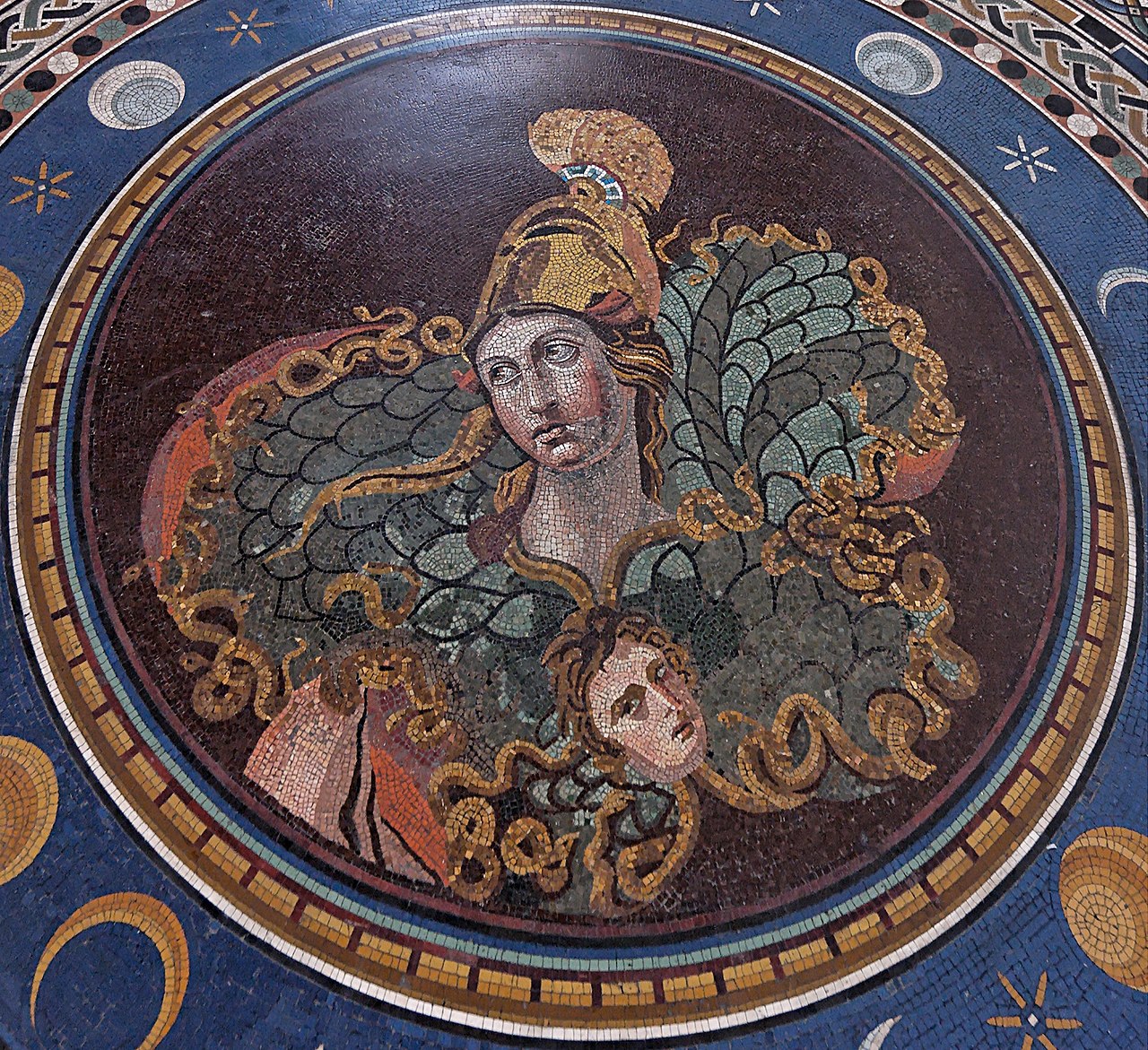
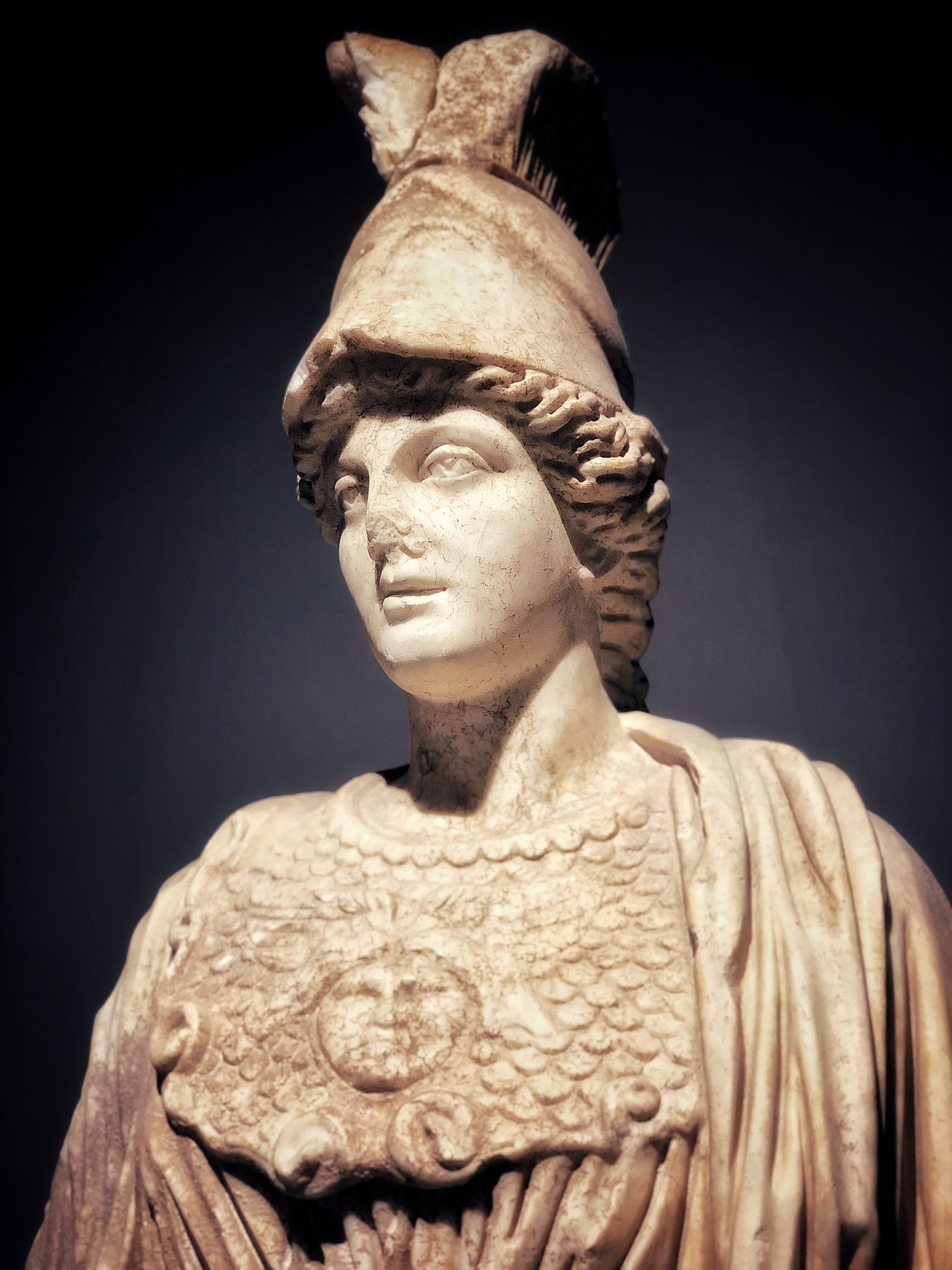
Her most familiar emblems include the owl, a symbol of watchfulness and learning, and the aegis or protective Aegis, often shown as a shield or breastplate. She is normally armed with a spear and a helmet and is sometimes accompanied by the winged figure Nike, the goddess of victory. A striking detail in later art is the inclusion of the Gorgoneion, the head of Medusa, said to have been set on her aegis after the hero Perseus delivered it to her.
Birth and nature
In mythic tradition Athena is described as born fully armed from the head of Zeus, an image that symbolizes intellectual birth and the association of the goddess with reason and statecraft. She is frequently presented as a virgin deity and is known by epithets such as Athena Parthenos, underscoring her role in civic and cultic life as an autonomous divine figure.
Major myths and interventions
Athena appears across a wide range of Greek stories. She aids many legendary heroes, most notably offering guidance to Odysseus in Homeric narrative, assisting Jason and his Argonauts in some accounts, and giving counsel or tasks to figures associated with craft and strength such as Heracles. Other famous episodes include the contest with the mortal weaver Arachne, which explains the origin of spiders, and the contest with Poseidon that led to her gift of the olive tree and her selection as patron of the city later called Athens.
Patronage, temples and festivals
Athena was the protective patron of Athens, and her chief cult center there was the Parthenon on the Acropolis. The Parthenon functioned as a temple and as a civic symbol, housing cult images and treasures. Major festivals such as the Panathenaea combined religious ritual, athletic contests, and communal processions to honor her and to express civic identity across the Greek world.
Art, representation and cultural role
In visual arts Athena is typically rendered as a sober, armored woman, sometimes carrying implements of weaving or craft to signal her patronage of skilled labor as well as military preparedness. In literature and iconography she stands in contrast to Ares: where Ares represents the chaotic physicality of battle, Athena represents strategy, law, and the ordered conduct of war. Her imagery and attributes influenced Roman depictions of wisdom and state authority and continued to inform later Western art and political symbolism.
Legacy and continuing study
Scholars study Athena across disciplines: classical philology, archaeology, art history, and comparative religion. Her myths have multiple variants in ancient sources and have been interpreted as reflecting gender roles, civic ideology, and religious practice in antiquity. Modern references to Athena commonly evoke themes of intelligent leadership, skilled workmanship, and protective guardianship.
- Key symbols: owl, Aegis/shield, spear, helmet
- Notable connections: Zeus, Perseus, heroes such as Jason and Odysseus
- Principal sites and cult places: Acropolis, the Parthenon, and civic sanctuaries across Greece
For specialized information on ritual practice, iconography, and textual variants consult dedicated studies and translations that collect ancient hymns, epic passages, and archaeological reports. Many modern museums and reference works also summarize Athena's role and provide images of surviving statues, reliefs, and coin types where her attributes are clearly visible. Additional resources and databases can be accessed through museum and academic portals for further research.
Questions and answers
Q: Who is Athena?
A: Athena is the Greek goddess of wisdom, warfare, handiwork, and strategy. She is one of the Twelve Olympians, the most important gods and goddesses in Greek mythology.
Q: What is Athena's symbol?
A: Athena's symbol is the owl, which is known as the wisest bird.
Q: What is Aegis?
A: Aegis is a shield given to Athena by Zeus. It was said to be imbued with magical powers and represented protection and strength.
Q: Why did Athena put Medusa's head on her shield?
A: After Peresus killed Medusa, he gave the head of Medusa to Athena for safekeeping, and she put it on her shield. The head is thought to have represented Athena's power to protect and intimidate her enemies.
Q: What is the Parthenon?
A: The Parthenon is a temple dedicated to Athena, located on the Acropolis in Athens, Greece. It is her most famous temple and is considered one of the greatest examples of Greek architecture.
Q: Who did Athena help in Greek mythology?
A: Athena helped many heroes, including Heracles, Jason, and Odysseus. She is often seen with Nike, the goddess of victory.
Q: What is Athena's connection to Athens?
A: Athena is the protector of Athens, the capital city of Greece. The city is named after her, and she is also its patron goddess.
Related articles
Author
AlegsaOnline.com Athena: Greek goddess of wisdom, warfare, and crafts Leandro Alegsa
URL: https://en.alegsaonline.com/art/6922