
AD 79 (79 CE)
AD 79 was a year of the 1st century notable for the eruption of Mount Vesuvius and important transitions in Roman imperial rule; its archaeological aftermath is a key source on ancient Rome.
Overview
AD 79 (LXXIX) was a year in the 1st century of the Common Era and is most often remembered for events in the Roman world. Records from this period are uneven: much of what is widely known comes from Roman historians and later archaeological discoveries rather than continuous contemporary chronicles. The year sits within the Flavian dynasty, a period of consolidation after civil conflict of the previous generation.
Image gallery
1 Image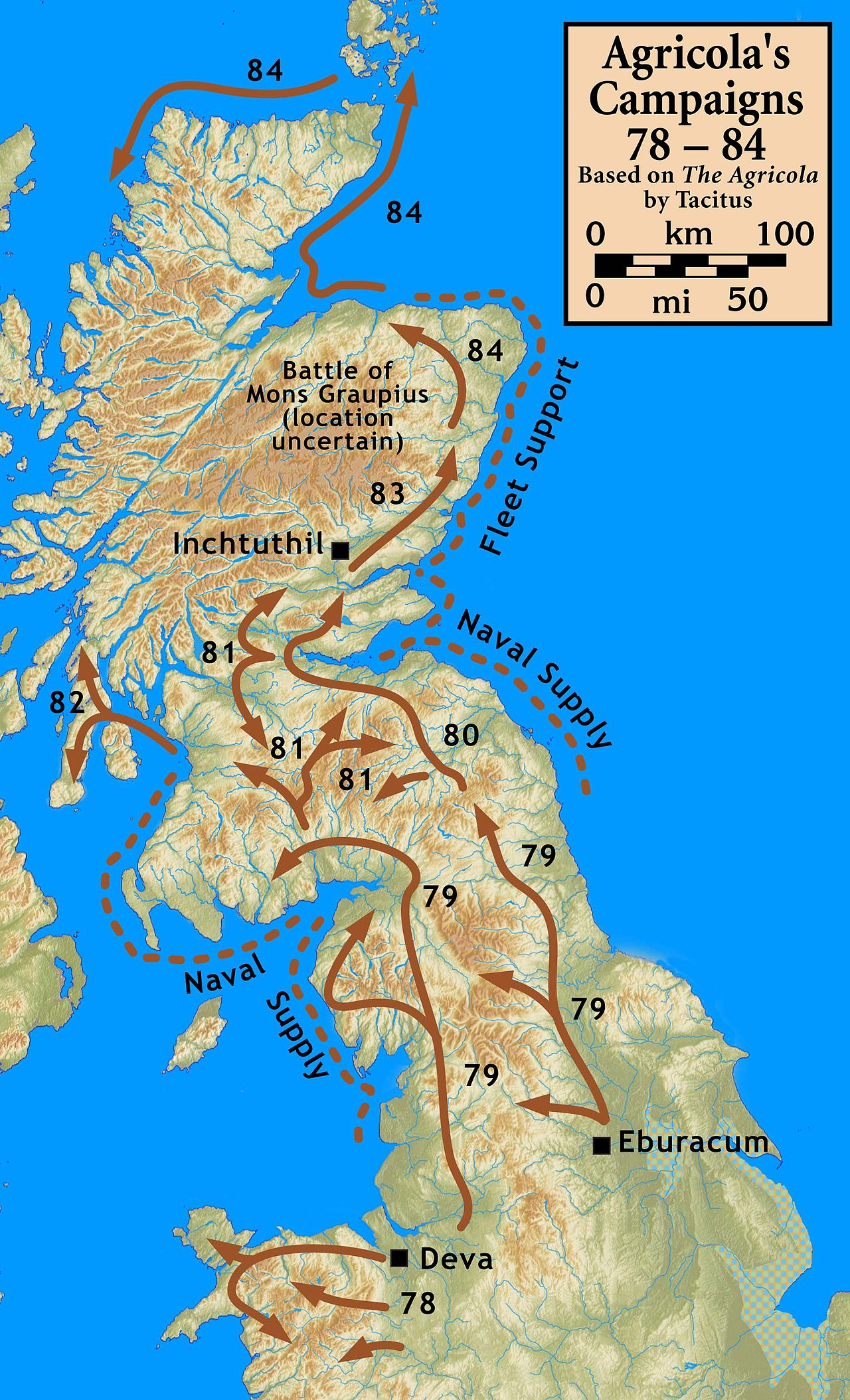
Main events and developments
Two events dominate accounts of AD 79. First, the death of Emperor Vespasian and the succession of his elder son, Titus, marked an imperial transition that affected Roman politics and administration. Second, the eruption of Mount Vesuvius devastated towns along the Bay of Naples. The disaster buried Pompeii, Herculaneum and surrounding communities and produced a unique archaeological record.
Consequences and sources
The volcanic catastrophe is documented in eye‑witness correspondence and later histories. A famous primary account survives in letters by Pliny the Younger describing the eruption and the death of his uncle, Pliny the Elder, who died attempting rescue. The traditional date for the eruption is 24 August, though later research has proposed an autumn date; scholars treat the chronology with caution.
Why AD 79 matters
The buildings, objects and human remains preserved beneath volcanic ash have supplied exceptionally detailed evidence about daily life, urban layout, and material culture in a Roman provincial setting. Excavations at Pompeii and Herculaneum continue to inform studies of ancient architecture, art, economy and social relations.
Notable facts and context
- AD 79 occurs in the 1st century of the Common Era and is often referenced in studies of early Imperial Rome.
- Contemporary literary and administrative records are fragmentary; archaeological data are therefore crucial.
- For an overview of the year in chronological lists, see entries for AD 79 in modern reference works.
Because surviving documentation is concentrated on a few well‑recorded incidents, AD 79 is a year whose fame rests on both a dramatic natural disaster and a notable change in imperial leadership, together yielding a rich legacy for historians and archaeologists.
Related articles
Author
AlegsaOnline.com AD 79 (79 CE) Leandro Alegsa
URL: https://en.alegsaonline.com/art/113056