
Capri: Island of the Tyrrhenian — geography, history and highlights
Capri is an island off Naples in the Tyrrhenian Sea, famed for its dramatic coast, Roman ruins and the Blue Grotto. This article outlines its geography, history, landmarks, administration and cultural importance.
Overview
Capri is a small Italian island located in the Tyrrhenian Sea on the northern side of the Gulf of Naples. Part of Italy, it has been prized as a resort and retreat since ancient times and remains a popular destination for visitors seeking dramatic scenery, historic sites and a Mediterranean climate. The name of the principal town on the island is also Capri; another distinct municipality, Anacapri, lies higher on the slopes.
Image gallery
10 Images
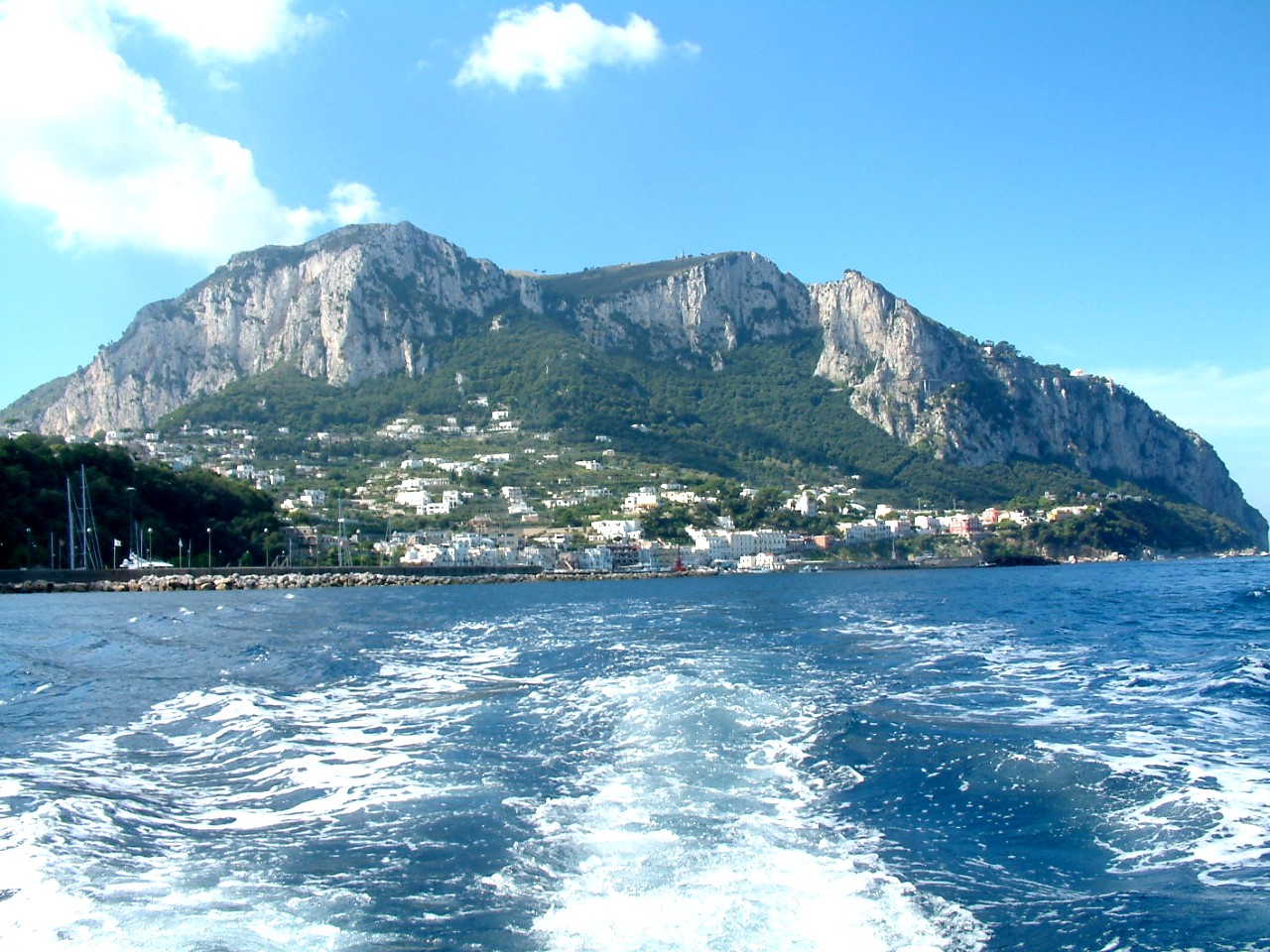

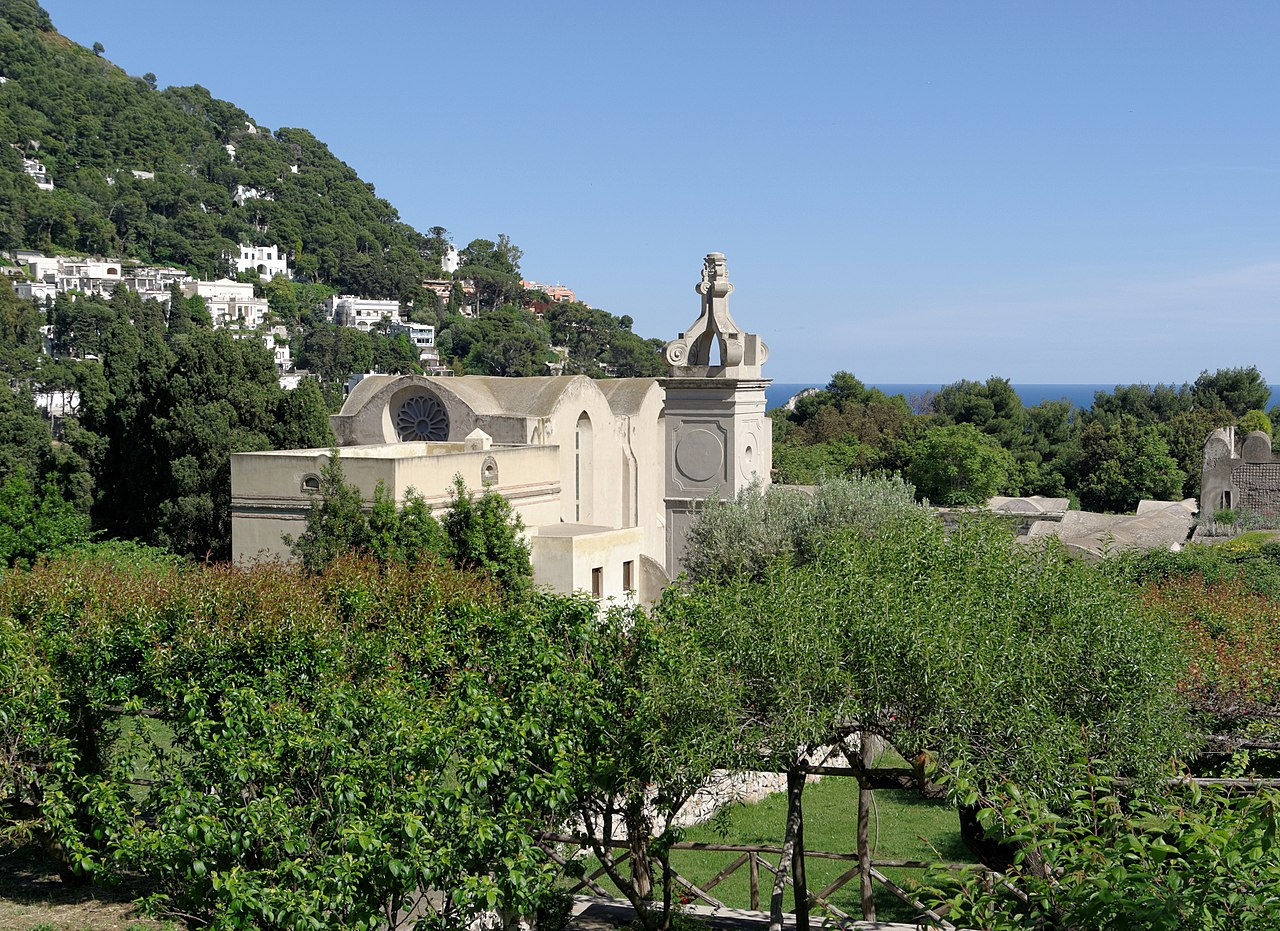
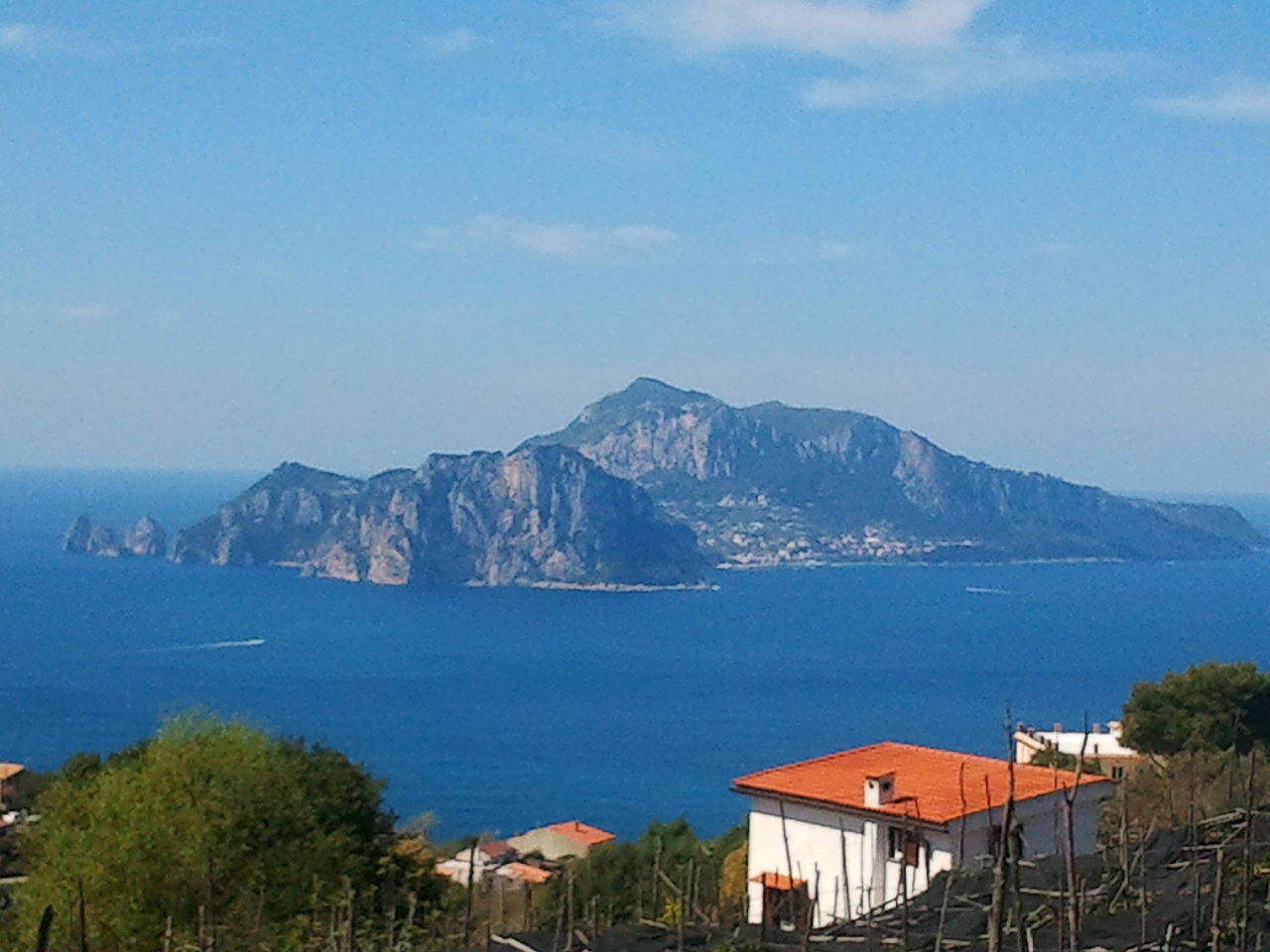


Geography and natural features
The island's terrain is rugged and largely limestone, with sheer cliffs, rocky headlands and a network of walking paths. The characteristic sea stacks known as the Faraglioni rise from the waters off the coast and are a frequent subject of photographs and postcards. Coastal caves and inlets, most famously the Blue Grotto, add to Capri's dramatic maritime landscape. Two main harbours — Marina Grande, the principal ferry port, and the smaller Marina Piccola — provide access for boats and ferries.
History and development
Capri has been inhabited since antiquity and was already a fashionable retreat during the period of the Roman Republic. In the early imperial era the island gained special prominence when the Emperor Tiberius used it as a residence, leaving behind substantial remains of imperial villas. Over the centuries Capri alternated between agricultural use, local fishing economies and phases of international tourism. In the 19th and 20th centuries it became a magnet for artists, writers and visitors seeking both natural beauty and leisure.
Landmarks and attractions
Visitors to Capri encounter a mix of natural and man-made points of interest. Notable examples include:
- Blue Grotto (Grotta Azzurra) — a sea cave famed for its vivid blue light.
- Faraglioni — towering rock stacks off the southern shore.
- Belvedere of Tragara — a panoramic promenade and cliffside viewpoint.
- Ruins of Roman imperial villas — archaeological traces of the island's imperial past, including villa foundations and terraced gardens (Imperial Roman villas).
- Anacapri — the higher town with a distinct character and access to inland paths and chairlift viewpoints.
The island's geological makeup — principally limestone — has shaped both its coastline and cave systems, contributing to the scenic caves and cliffs that attract many visitors.
Administration, transport and economy
Administratively, Capri belongs to the region of Campania and the Province of Naples. The island includes two separate municipalities: the main comune of Capri and the elevated comune of Anacapri. The local economy depends heavily on tourism, hospitality, and related services, with seasonal fluctuations tied to summer visitors. Regular ferries and hydrofoils connect the island to Naples and nearby coastal towns, while narrow roads and stairways link the settlements on the island itself.
Culture, visitor tips and notable facts
Beyond its scenery, Capri has a long association with leisure, culture and craftsmanship. Boutiques, cafés and historic villas coexist with walking routes that reveal olive terraces and Mediterranean vegetation. The island's name has an uncertain etymology and has inspired literary and artistic works for centuries. For visitors, practical considerations include planning for ferry schedules, reaching higher viewpoints like Anacapri by bus or chairlift, and allowing time for boat excursions to coastal formations. Despite its small size, Capri offers a layered experience of natural beauty, archaeological interest and contemporary Italian island life.
For further reading on the region and services, see regional resources and travel guides linked in local authorities and tourism pages: Tyrrhenian Sea overview, Gulf of Naples information, and municipal resources for Anacapri and island administration.
Questions and answers
Q: Where is Capri located?
A: Capri is an island in the Tyrrhenian Sea on the north side of the Gulf of Naples, Italy.
Q: What is the main town on Capri called?
A: The main town on Capri shares the name "Capri."
Q: How long has Capri been a resort?
A: Capri has been a resort since the time of the Roman Republic.
Q: Who lived on Capri from 26-31 AD?
A: The Emperor Tiberius lived on Capri from 26-31 AD.
Q: What are some features of Capri?
A: Some features of Capri are the Belvedere of Tragara, the Faraglioni sea stacks, the town of Anacapri, the Blue Grotto, and the ruins of the Imperial Roman villas.
Q: What region and province is Capri part of?
A: Capri is part of the region of Campania, Province of Naples.
Q: What is the etymology of the name "Capri?"
A: The etymology of the name "Capri" is unclear.
Tags
Related articles
Author
AlegsaOnline.com Capri: Island of the Tyrrhenian — geography, history and highlights Leandro Alegsa
URL: https://en.alegsaonline.com/art/16786