
Naples (Napoli) — southern Italian port city by Mount Vesuvius
Naples is a historic southern Italian city and port (Napoli) on the Gulf of Naples beside Mount Vesuvius. Known for its ancient centre, cuisine, archaeology and a metropolitan area of about 3 million.
Naples is a major city in southern Italy located on the Gulf of Naples and facing the Mediterranean basin. The city proper has about one million inhabitants and its wider metropolitan area is roughly three million. In Italian it is called Napoli, a name that derives from the ancient Greek Neapolis, meaning "new city". Naples grew up as a busy port and trading centre on the Tyrrhenian Sea, and it remains dominated by the nearby volcanic cone of Mount Vesuvius.
Image gallery
8 Images

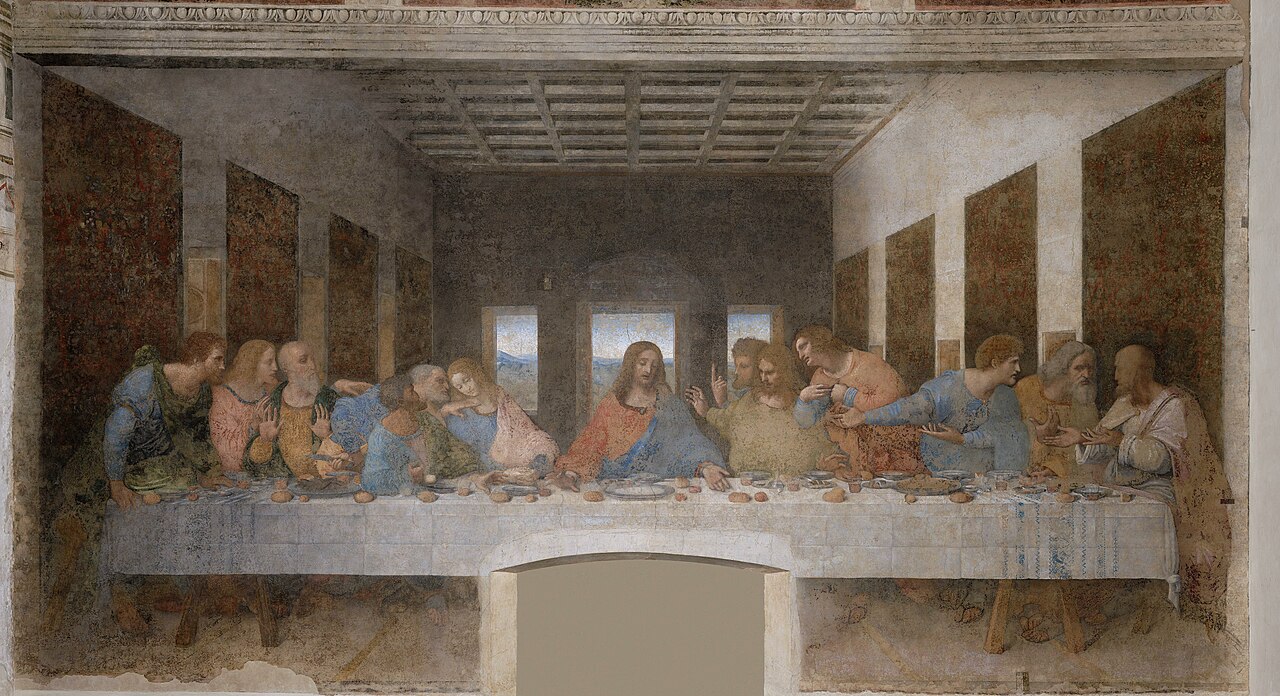
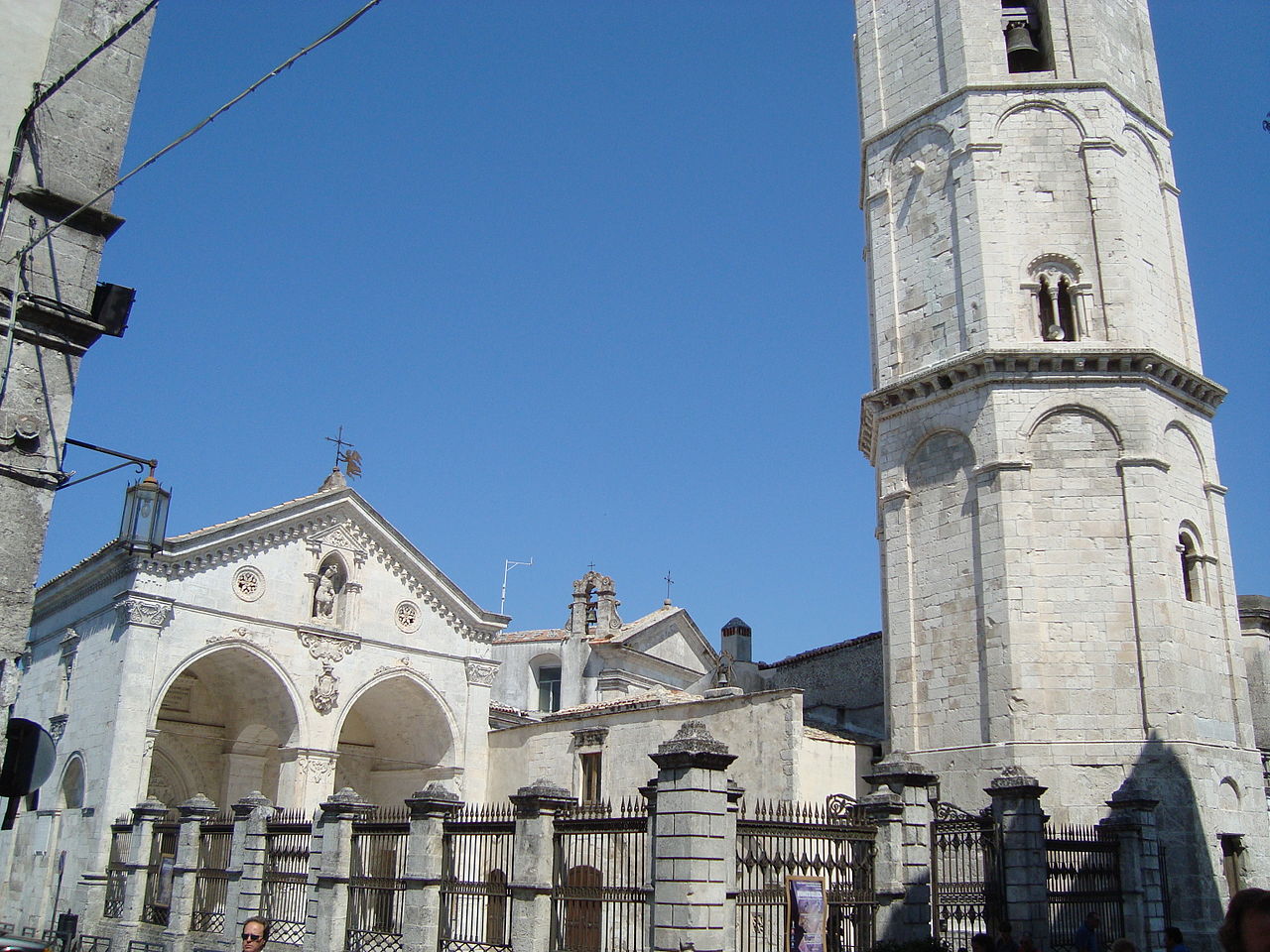
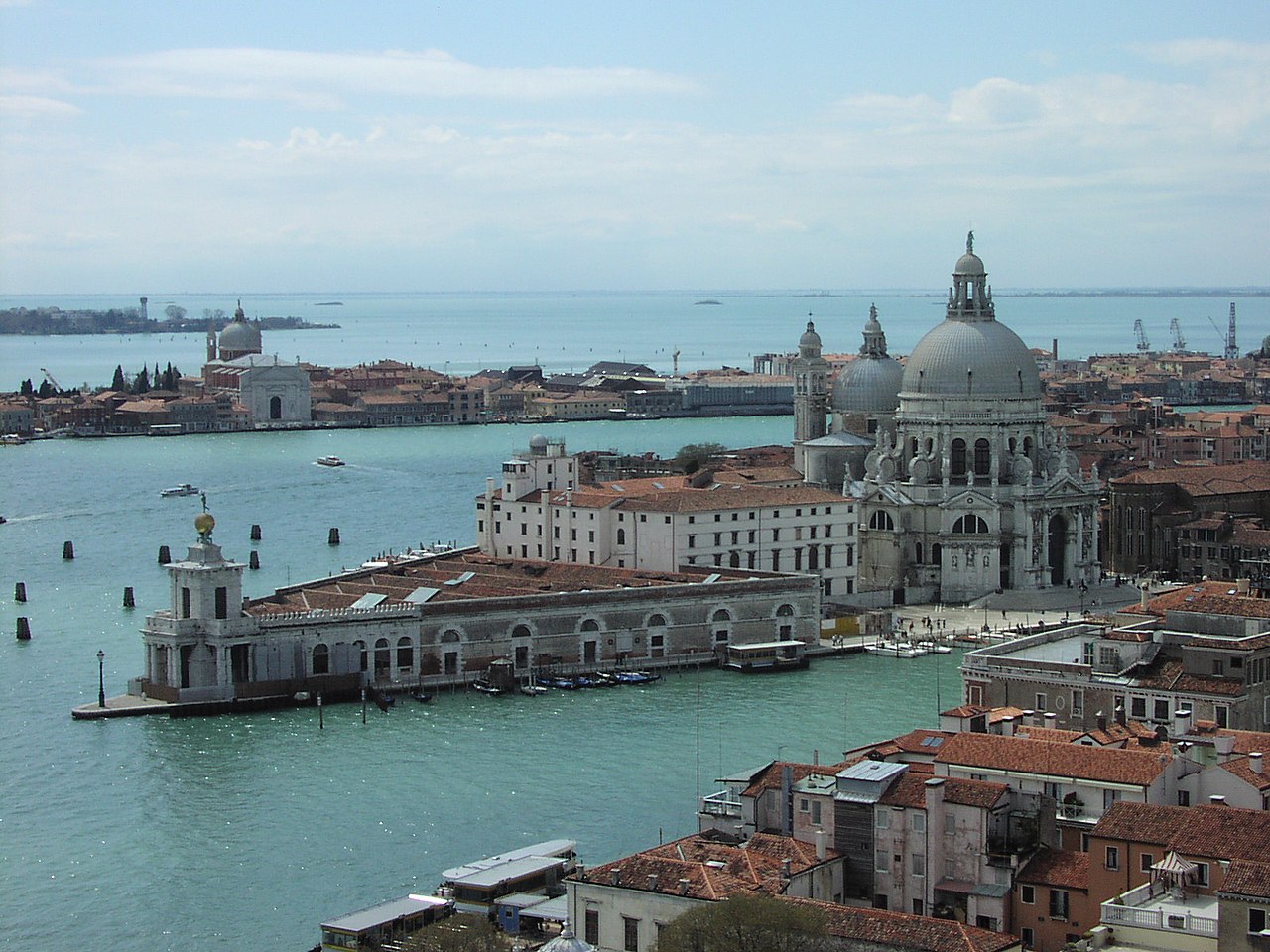

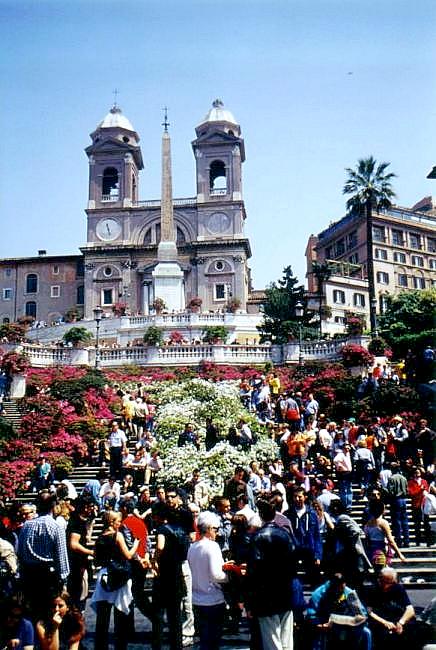

Geography and environment
The city occupies a bay sheltered by peninsulas and islands, with views across water to steep hills and the crater of Vesuvius. The local climate is Mediterranean: hot, dry summers and mild, wetter winters, which has influenced agriculture and regional cuisine for centuries. The Gulf of Naples includes islands such as Capri, Ischia and Procida, easily reached from the city's port.
History and development
Founded by Greeks in antiquity as a planned colony, Naples later became a prosperous Roman city and then a medieval and early modern capital under a range of rulers. It was an important centre during the Kingdom of Naples and later the Bourbon period, and subsequently became part of a unified Italy. Its historic centre is one of the largest in Europe and is protected as a UNESCO World Heritage site for its rich architectural and archaeological legacy.
Culture, cuisine and importance
Naples has a strong cultural identity: it has contributed to music (notably opera and traditional song), visual arts, and popular customs. It is famous worldwide as the birthplace of pizza—especially the Margherita—as well as pastries like sfogliatella and a vibrant espresso culture. Museums in Naples house significant Roman and classical collections, and the city is a gateway to the archaeological sites of Pompeii and Herculaneum.
Landmarks and visitor attractions
- Historic centre with churches, palaces and narrow streets
- Castel dell'Ovo and Castel Nuovo overlooking the harbour
- Royal Palace and Piazza del Plebiscito
- National Archaeological Museum, rich in Roman artifacts
- Nearby Pompeii and Herculaneum, buried and preserved by Vesuvius
Transport and economy
Naples remains an active commercial port and regional transport hub. Air services operate from Naples International Airport at Capodichino, while national and regional trains connect the city to the rest of Italy. Local economy mixes tourism, shipping, manufacturing and services; the city's universities and cultural institutions also contribute to its role as a southern Italian capital of education and arts.
Questions and answers
Q: Where is Naples located?
A: Naples is a southern Italian city.
Q: What is the geographical feature near Naples?
A: Naples is near Mount Vesuvius.
Q: What is the Italian name for Naples?
A: The Italian name for Naples is Napoli.
Q: What does the Greek name Neapolis mean?
A: The Greek name Neapolis means new city.
Q: What is the population of Naples?
A: Naples has a population of about 1 million.
Q: How many people live in the area around Naples?
A: About 3 million people live in the area around Naples, including the city itself.
Q: Where is Naples International Airport located?
A: Naples International Airport is located at Capodichino.
Related articles
Author
AlegsaOnline.com Naples (Napoli) — southern Italian port city by Mount Vesuvius Leandro Alegsa
URL: https://en.alegsaonline.com/art/68335
Sources
- citypopulation.de : Principal Agglomerations of the World
- worldweather.org : "Weather Information for Naples"
- brookings.edu : "Global city GDP 2011"
- mattinopadova.gelocal.it : "Cricca veneta sui rifiuti di Napoli: arrestati i fratelli Gavioli" (in Italian)
- euromonitor.com : "Euromonitor Internationals Top City Destinations Ranking Euromonitor archive"
- cnr.it : "Rapporto sullo stato dell'economia della Provincia di Napoli"