
Gran Vía (Madrid): history, architecture and cultural role
Gran Vía is Madrid’s principal early-20th-century boulevard: a commercial, theatrical and architectural spine known for landmark buildings, cinemas, hotels and lively urban life.
Overview
Gran Vía is a major thoroughfare in central Madrid that serves as one of the city's primary commercial and cultural arteries. Laid out across a dense web of older streets, the boulevard brings together shops, offices, hotels and entertainment venues and is a frequent destination for visitors to Spain. Its combination of retail, hospitality and performance spaces has made it a symbol of Madrid's urban modernisation in the early 20th century.
Image gallery
6 Images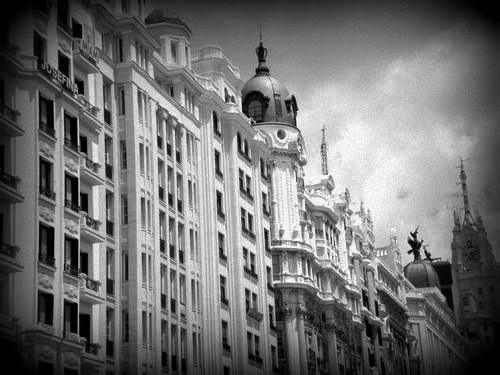



Architecture and notable landmarks
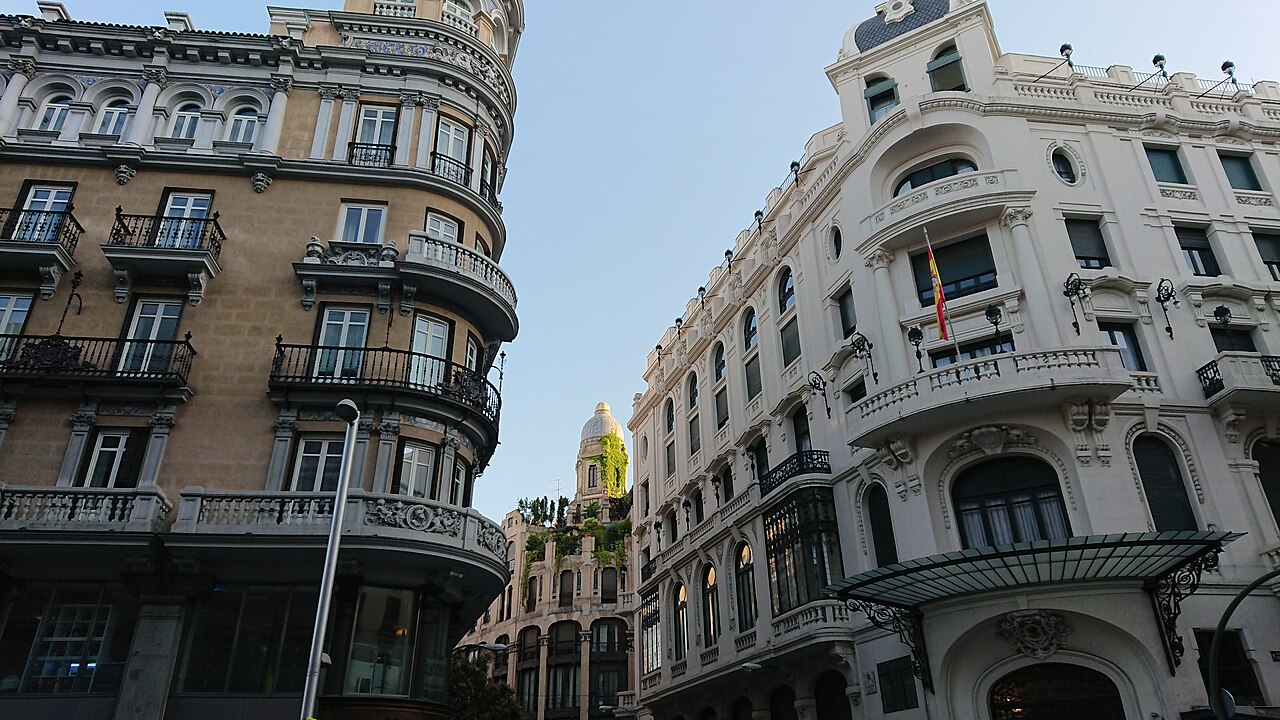
The street is noted for a variety of architectural styles—eclectic, Beaux-Arts and early 20th-century commercial designs—displayed on many of its prominent buildings. Ornamentation often includes allegorical figures and reliefs, and several façades are enriched with elaborate sculptures. Two widely recognised landmarks on Gran Vía are the ornate Edificio Metrópolis and the Telefónica building, long considered one of Madrid's first high-rise structures or early skyscrapers. Crowning features, such as a notable statue of a winged Roman-style goddess, contribute to the boulevard's cinematic skyline.
History and development
Conceived in the mid-19th century as part of an effort to modernise the city fabric, the project to cut a major avenue through the old urban blocks did not proceed quickly. Plans that originated in the 1850s encountered long debates, land negotiations and phased construction; work finally advanced in the early 20th century and was largely completed by the late 1920s. The colloquial name "Gran Vía"—literally "great way"—reflects both the scale of the undertaking and, according to contemporary anecdotes, a sardonic nod to the long gestation of the scheme.
Uses and cultural importance
From its earliest decades Gran Vía accommodated a mix of functions. Grand cinemas and theatrical venues established the street as a centre for film premieres and live performance, and those entertainment spaces remain a defining feature to this day; many of the city's major theaters and cinema houses are located here. Retail outlets and international brands populate the shopping frontages, while numerous hotels line the boulevard to serve tourists and business travelers, creating a 24-hour urban environment in much of its length.
Notable facts and distinctions
Gran Vía represents a clear example of urban transformation: a single, long boulevard created by reworking medieval street patterns into a modern avenue. Its blend of commercial vitality, architectural variety and entertainment venues distinguishes it among Spanish urban streets. The avenue continues to be used for parades, cultural events and as a meeting point for residents and visitors, and it remains a frequent subject for guides and urban studies of Madrid's expansion in the 20th century.
Selected landmarks (brief list)
- Prominent buildings with sculptural ornament
- Iconic statues and rooftop figures
- Historic theaters and cinemas
- Early skyscraper-era offices
- Major retail corridors and hotels
For more on the boulevard’s role in Madrid’s urban life and its landmarks, consult municipal guides and architectural surveys that document the Gran Vía’s development and contemporary use.
Related articles
Author
AlegsaOnline.com Gran Vía (Madrid): history, architecture and cultural role Leandro Alegsa
URL: https://en.alegsaonline.com/art/40149