
William Le Baron Jenney — Pioneer of the American Skyscraper
American architect and engineer credited with pioneering metal-framed high-rise construction and designing the Home Insurance Building (1884), often called the first modern skyscraper.
William Le Baron Jenney (1832–1907) was an American architect and engineer whose work merged structural engineering and architectural design at a decisive moment in urban growth. He is best known for introducing a metal skeleton frame that changed how tall buildings were conceived, an advance that paved the way for modern high-rise construction.
Image gallery
6 Images

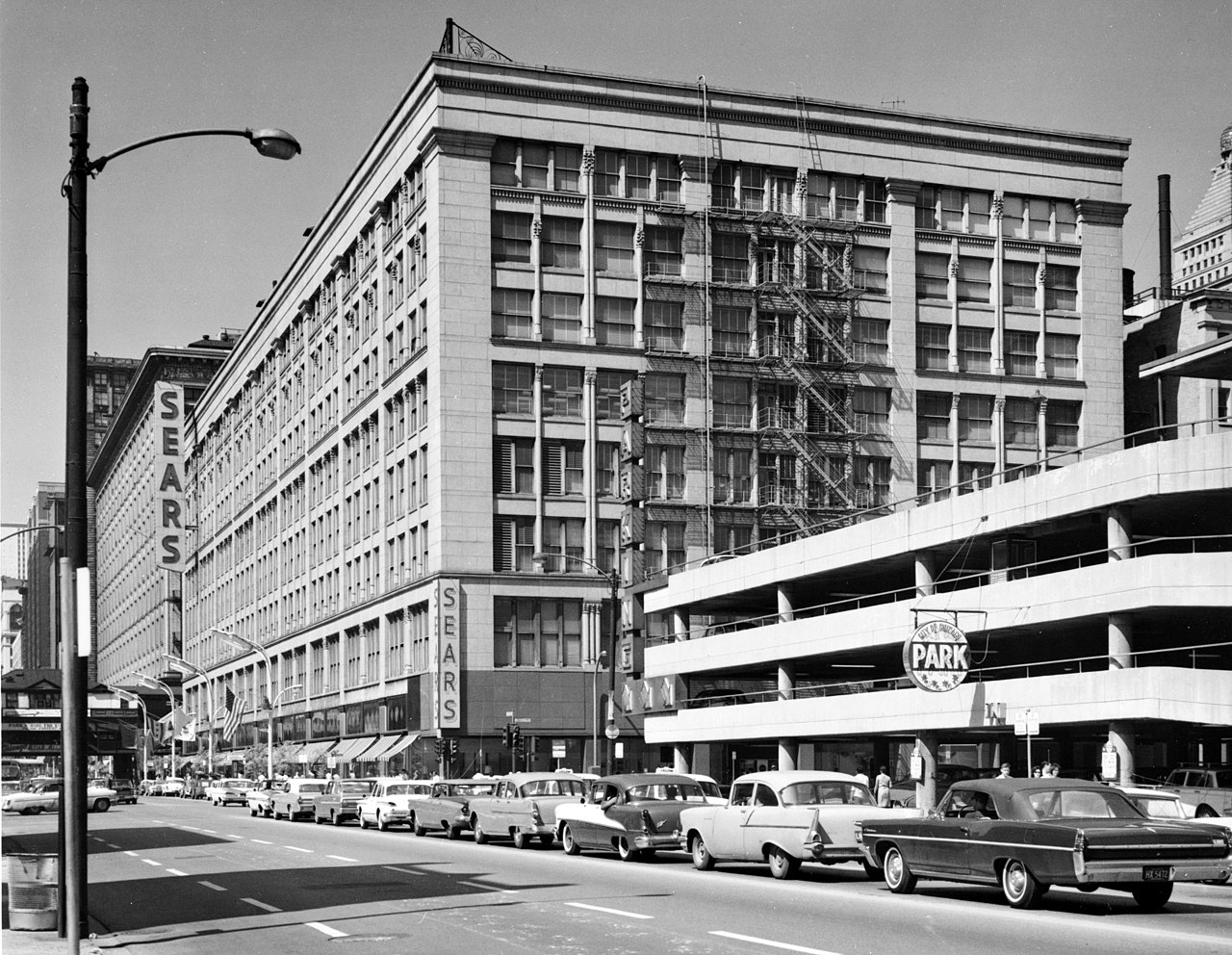


Home Insurance Building and the first skyscraper
Jenney's most frequently cited achievement is the Home Insurance Building, completed in Chicago in 1884. The building is widely regarded as the first modern skyscraper because its weight was carried primarily by a framework of metal members rather than by massive masonry walls. This structural shift reduced wall thickness, increased usable floor area, and made greater building height feasible in downtown locations.
Key contributions and characteristics
- Introduction of a skeletal metal frame that supported floors and exterior cladding.
- Emphasis on fireproofing and the efficient use of new materials to improve safety and economy.
- Practical integration of engineering solutions and architectural form, which influenced later practitioners.
Jenney's methods were a foundational element of the movement often called the Chicago School of architecture, a group of designers and builders who experimented with steel, ornamentation, and the rational arrangement of facades. Although the Home Insurance Building itself was altered and ultimately removed in the early 20th century, its structural ideas were copied and refined by other architects across the United States and abroad.
Legacy and remembrance
For his role in enabling modern high-rise construction, Jenney is frequently remembered as the "Father of the American skyscraper." He practiced and taught in the region as Chicago rebuilt and grew after the great fires of the 19th century, helping to shape the city’s skyline. He is buried at Graceland Cemetery in Chicago, where many figures from the period are commemorated.
Jenney’s combination of engineering pragmatism and architectural intent set technical standards that remain relevant: separating structural frame from exterior cladding, pursuing fire-resistive construction, and designing for maximizing interior space. Those principles underlie the evolution from the first metal-framed towers to today’s glass-and-steel high-rises.
Author
AlegsaOnline.com William Le Baron Jenney — Pioneer of the American Skyscraper Leandro Alegsa
URL: https://en.alegsaonline.com/art/132953