
Carter Harrison Sr.: Five-term Mayor and 19th‑Century Chicago Leader
Carter H. Harrison Sr. (1825–1893) was a dominant Democratic mayor of Chicago, earlier a U.S. Representative. He guided the city through rapid growth, was re-elected in 1893 and was assassinated that year.
Overview
Carter Henry Harrison, Sr. (February 15, 1825 – October 28, 1893) was an American politician best known for his long service as mayor of Chicago. He also served two terms in the United States House of Representatives before turning his attention to municipal government. Harrison became a dominant figure in late 19th‑century Chicago politics, noted for his popular style, attention to neighborhood concerns and the exercise of considerable influence over city patronage.
Image gallery
7 Images


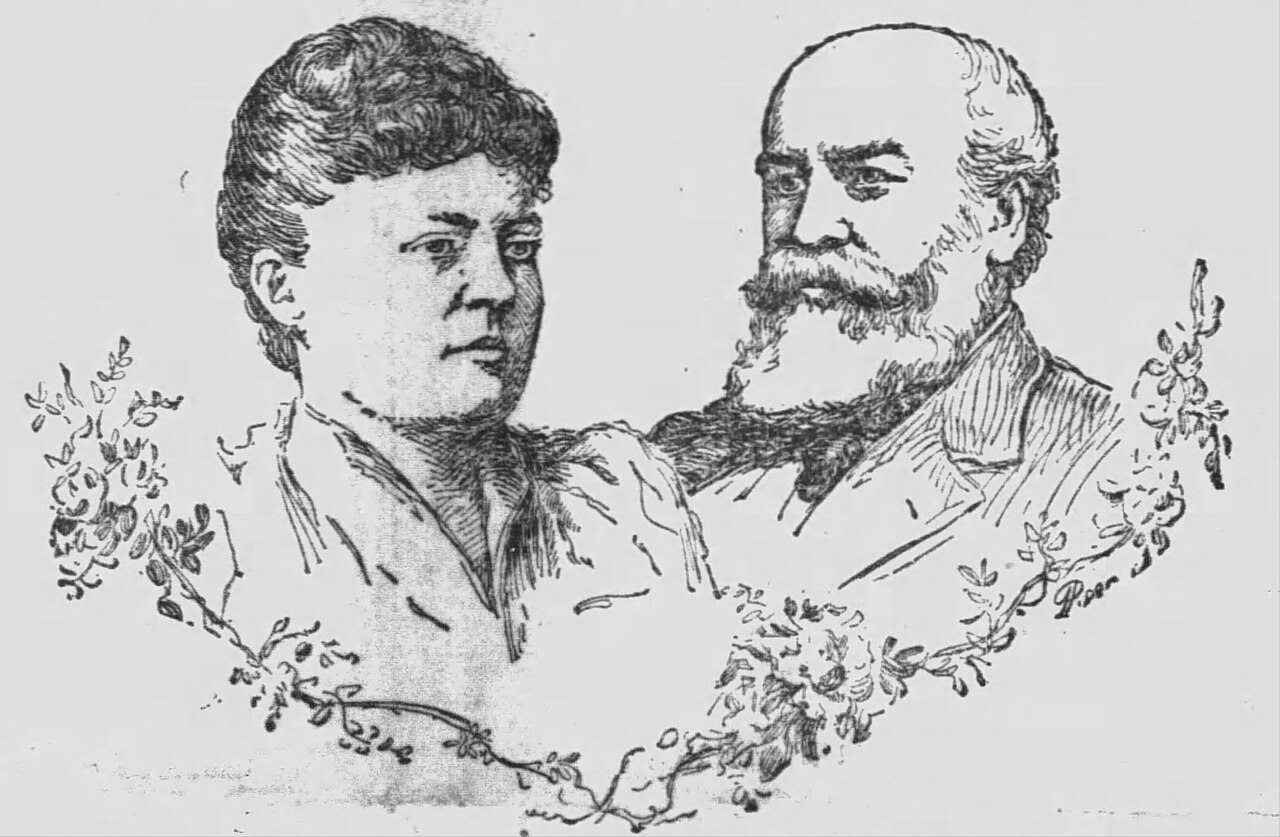


Early life and education
Harrison was born in Fayette County, Kentucky, into a family with established political connections. He received a formal education and attended Yale University for a period. Early in his adult life he moved to Illinois, where he established a political base among working‑class and immigrant communities and developed the populist and accessible persona that helped sustain his municipal career.
Congressional service and entry to Chicago politics
Harrison represented his district for two terms in the national legislature, gaining experience in public affairs and name recognition that aided his later municipal campaigns. After leaving Congress he became increasingly involved in Chicago public life, cultivating alliances with neighborhood leaders, business interests and ward organizations to win citywide office.
Mayoralty and policies
First elected mayor in the late 1870s, Harrison served several consecutive terms through the 1880s and was again elected in 1893. His administration focused on adapting municipal services to the needs of a rapidly growing industrial city: improving streets and sewers, expanding police and fire services, and supporting public works that accommodated expanding population and commerce. He was widely praised by supporters for personal accessibility and a willingness to intervene on behalf of ordinary citizens; critics accused his administrations of relying on patronage and machine‑style practices common to the period.
Context and significance
Harrison's terms as mayor overlapped with major developments in American urban life: mass immigration, industrial expansion, rail and shipping integration and new expectations for municipal management. His political style combined personal appeals to voters with organizational strength, and he helped set patterns of urban governance and electoral politics in Chicago that continued into the 20th century. The year 1893, when he won a final term, also saw Chicago host the World's Columbian Exposition, an event that drew national attention to the city.
- Born in Fayette County, Kentucky, February 15, 1825.
- Attended Yale University for a period before entering public life.
- Served two terms in the U.S. House of Representatives.
- Served multiple terms as Mayor of Chicago and was re‑elected in 1893.
Assassination
Shortly after winning election to another term in 1893, Harrison was shot and fatally wounded at his home in Chicago, Illinois, on October 28, 1893. The killing shocked the city and the nation, produced a high‑profile criminal trial and interrupted a long municipal career. The circumstances of his murder and the trial that followed attracted wide contemporary coverage and prompted discussions about the security of public officials and the stresses of urban politics.
Family and relations
Harrison belonged to a family with prominent national connections: he was a distant cousin of President William Henry Harrison and related to President Benjamin Harrison. His son, Carter Harrison, Jr., later served as mayor of Chicago, continuing the family's involvement in municipal affairs. Historians regard Harrison Sr. as an influential example of the urban political leader of his era — a figure whose combination of popular appeal and machine organization left a complex legacy.
For readers seeking more detailed study, consult municipal histories and collections of Chicago political scholarship that situate Harrison's career within the broader transformation of American cities in the late 19th century. Additional archival material and contemporary newspaper records are useful for researchers interested in his campaigns, administrations and the assassination trial.
Author
AlegsaOnline.com Carter Harrison Sr.: Five-term Mayor and 19th‑Century Chicago Leader Leandro Alegsa
URL: https://en.alegsaonline.com/art/136192