
Cyrus McCormick: Inventor of the Mechanical Reaper and Agricultural Industrialist
American inventor Cyrus H. McCormick (1809–1884) developed the mechanical reaper, founded a major harvesting-machine company, and helped industrialize grain production in 19th-century America.
Overview
Cyrus Hall McCormick was an American inventor and manufacturer whose work transformed grain harvesting in the 19th century. Born in the foothills of the Blue Ridge Mountains, he designed and popularized a mechanical reaper that greatly reduced the labor and time required to cut grain. He established a commercial enterprise that became the McCormick Harvesting Machine Company and later contributed to the formation of International Harvester. Members of his family were influential in Chicago business and civic life; the family name is carried by landmarks such as McCormick Place.
Image gallery
4 Images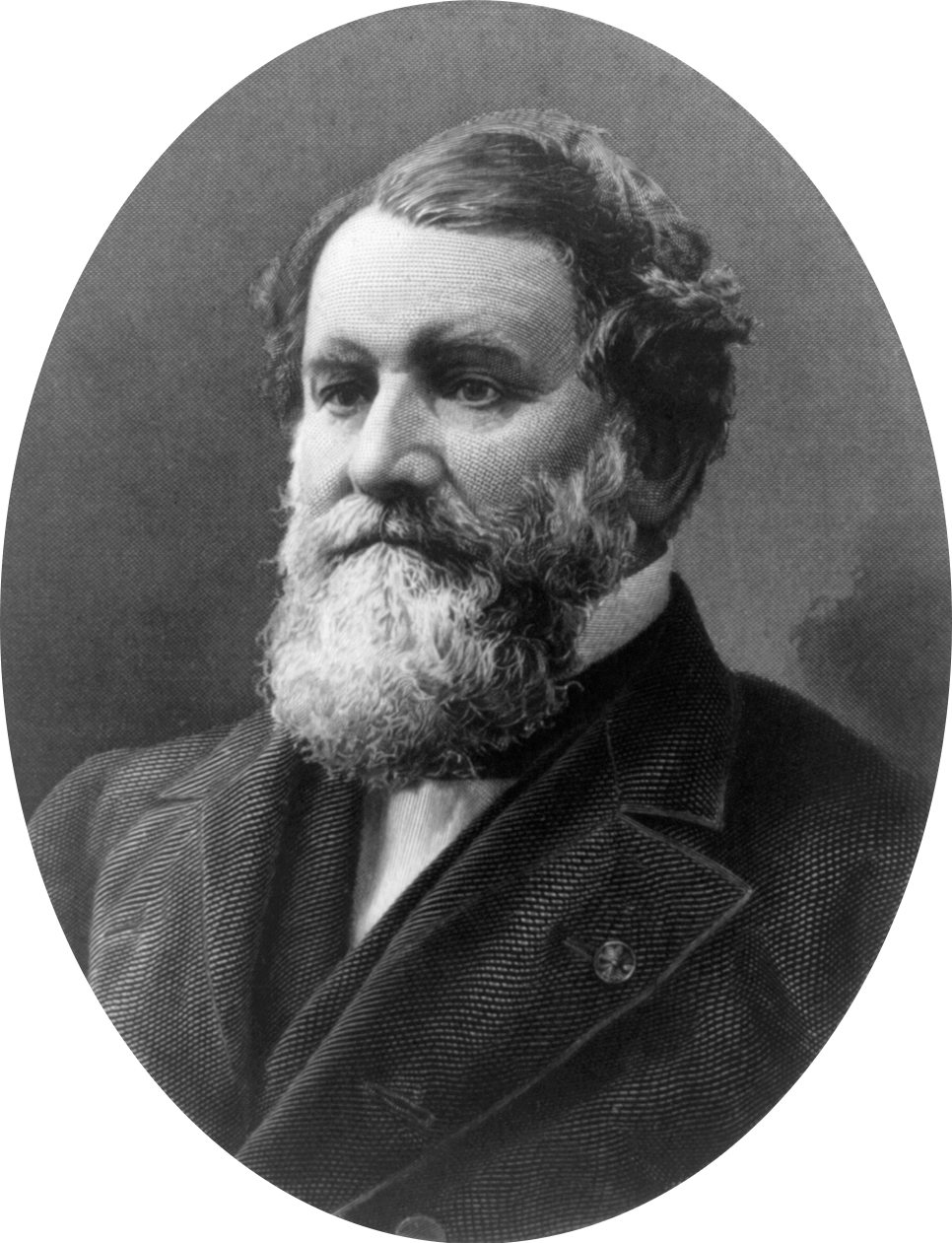


Invention and technology
The central achievement associated with McCormick is the practical mechanical reaper, a horse-drawn agricultural machine that mechanized the cutting of wheat, barley and other small grains. Unlike a hand-held sickle or scythe, the reaper combined a reciprocating cutting mechanism with a reel and platform to gather, cut and arrange stems for binding. This permitted a single crew to harvest many times the acreage possible by hand, improving efficiency and reducing seasonal labor bottlenecks. The device went through iterative improvements in its moving parts, frame and operation as McCormick and his associates refined the design for manufacture and sale.
Business development and manufacturing
McCormick moved from demonstration and workshop production into organized manufacturing and sales, establishing a firm to produce harvesting machines at scale. His company marketed, sold and serviced reapers across the United States and abroad, helping spread mechanized agriculture across the Midwest. The growth of his business was part of a broader pattern of 19th-century industrialization in which inventions were paired with factories, supply chains and sales networks. Over time his company merged into larger combine operations; in 1902 the McCormick concern became part of the International Harvester Company, a major agricultural machinery manufacturer.
Life, family and civic ties
McCormick was born in Rockbridge County and lived for a period in Raphine, Virginia. He married Nancy Fowler in 1835 and raised a family; descendants and relatives became prominent in business and public affairs, particularly in Chicago, where the McCormicks were active in industry, media and philanthropy. Cyrus McCormick died in Chicago in 1884 after suffering a stroke. He was interred at Graceland Cemetery in the Uptown, Chicago neighborhood, a burial place for many of the city's 19th- and early-20th-century leaders.
Legacy and significance
McCormick's work is often cited as a turning point in agricultural history because it helped accelerate the shift from labor-intensive farming to mechanized, higher-yield production that supported population growth and urbanization. The reaper itself became a model for subsequent farm machinery, and the industrial organizations he founded influenced manufacturing practices, marketing and international sales of agricultural equipment. The McCormick name remains associated with American agricultural history and with institutions and places connected to the family.
Quick facts and context
- Born: February 15, 1809, Rockbridge County, Virginia (near the Blue Ridge).
- Main invention: A practical mechanical reaper that mechanized grain cutting.
- Company: Founder of the McCormick Harvesting Machine Company; later part of International Harvester.
- Family and city ties: The McCormicks were prominent in Chicago public life; family name associated with civic landmarks such as McCormick Place.
- Death and burial: Died May 13, 1884, in Chicago; interred at Graceland Cemetery in Uptown, Chicago.
Cyrus McCormick remains a central figure in narratives about American agricultural modernization: an inventor who not only created a widely adopted machine but also helped build the commercial and industrial structures that brought mechanized farming into broad use. For readers interested in regional history, the inventor's connections to the Blue Ridge and to the town of Raphine illustrate how rural innovation and urban industry were linked in the 19th century. For those studying technology-transfer and business history, McCormick's career offers an example of how a single practical device can spur company formation, factory organization and international markets. Additional context on his life and inventions can be found in specialized histories and collections devoted to agricultural technology and American industrialization; see entries on Cyrus McCormick and the mechanical reaper for more detail from dedicated sources and archives for primary materials on his patents and business records, and consult summaries by agricultural historians and museum collections for demonstrations and preserved machines. For a concise introduction to his role as an inventor and manufacturer, consult accessible biographical resources and local historical organizations in Virginia and Chicago.
Related articles
Author
AlegsaOnline.com Cyrus McCormick: Inventor of the Mechanical Reaper and Agricultural Industrialist Leandro Alegsa
URL: https://en.alegsaonline.com/art/24946
Sources
- archive.org : Cyrus Hall McCormick: Harvest, 1856-1884