
Bruce Graham — Colombian‑born American architect
Bruce John Graham (1925–2010) was a Colombian‑born American architect noted for his role in designing landmark Chicago skyscrapers and for advancing structural approaches to tall buildings.
Overview
Bruce John Graham (December 1, 1925 – March 6, 2010) was a Colombian‑born architect who became a prominent figure in modern high‑rise design. Born in Colombia, later a naturalized American, Graham is best known for his collaborations with structural engineer Fazlur Khan and for helping produce two of Chicago's most recognizable skyscrapers: the Willis Tower and 875 North Michigan Avenue. His work helped shape the skyline of Chicago, Illinois, and influenced high‑rise design worldwide.
Image gallery
8 Images




Early life and education
Graham was born in La Cumbre, Valle del Cauca, to a father of Canadian descent and a mother of Peruvian origin. He spent part of his childhood in Bogotá before moving to the United States, where he pursued formal architectural training. His studies included time at the University of Pennsylvania, the Case School of Applied Sciences, and the University of Dayton. These academic experiences helped prepare him for a career that bridged international perspective and American practice.
Major works and design approach
Graham worked for and later became a design partner in leading architectural practices that combined architectural vision with advanced engineering. His most famous projects illustrate a design philosophy that treats structure as an integral architectural element rather than a concealed necessity. Key buildings include:
- Willis Tower — A defining icon of Chicago's skyline, notable for its bundled‑tube structural concept developed with Fazlur Khan that allowed exceptional height and relative economy of materials.
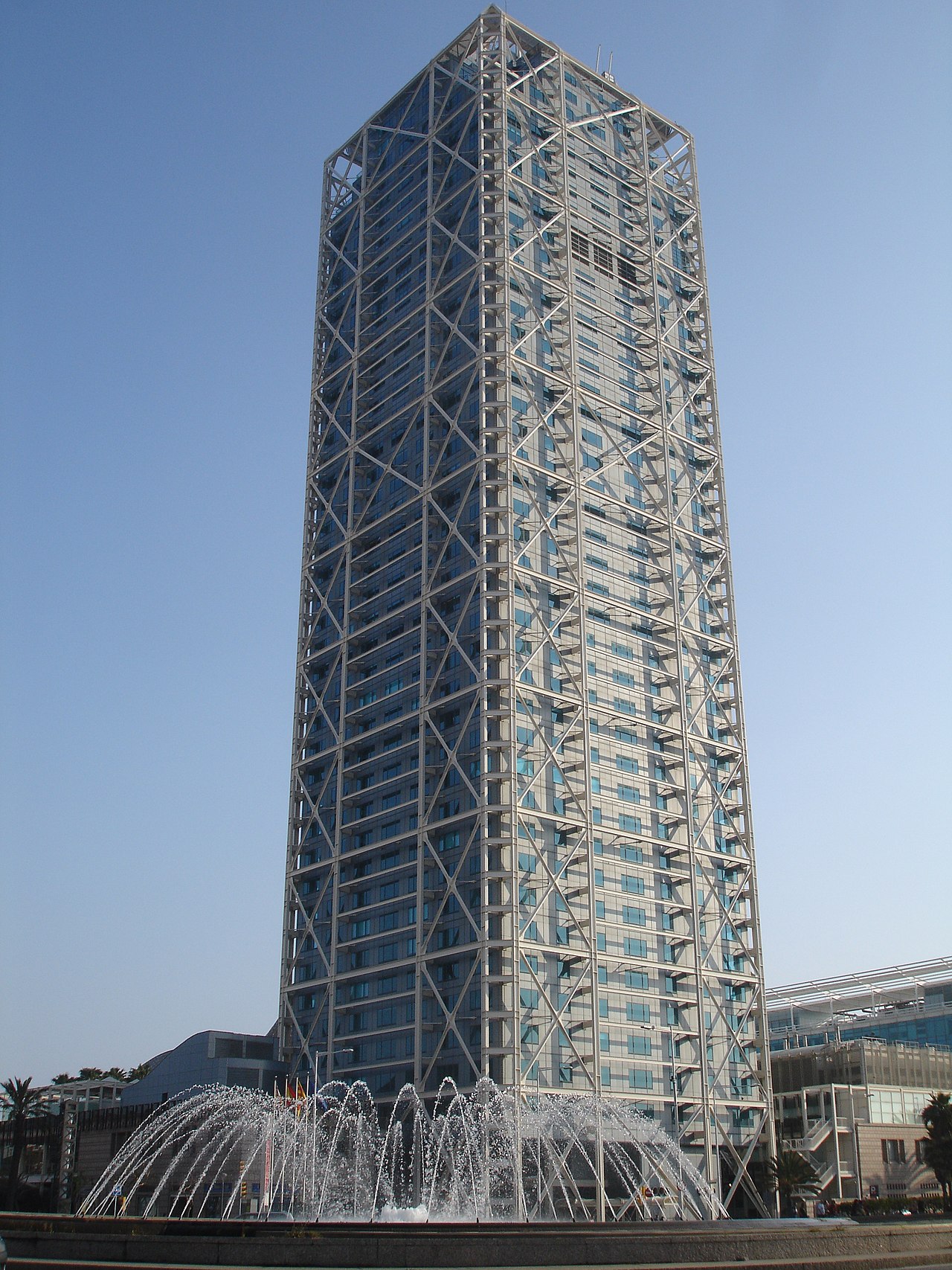
- 875 North Michigan Avenue — Recognizable for its tapering profile, exposed X‑bracing and mixed‑use program, it exemplifies the fusion of aesthetic and structural expression.
Graham's projects often emphasized clear geometries, exposed structure, and efficient floor plates for commercial use. Working closely with engineers, he championed approaches that made tall buildings more practical to construct and more flexible in use.
Importance and influence
Graham's career coincided with a period when skyscraper technology matured from one‑off landmarks to reproducible systems. The structural innovations associated with his projects—particularly the framed‑tube and bundled‑tube concepts—enabled taller, lighter, and more economical towers. His buildings became case studies in architectural and structural education and remain points of reference for urban design, office planning, and the aesthetics of high‑rise form.
Later life and legacy
In later decades Graham continued to design, advise, and speak about architecture. He retained a strong association with Chicago's civic and cultural life. Graham died from emphysema on March 6, 2010, in Hobe Sound, Florida. He was buried in Graceland Cemetery in Uptown, Chicago. His work remains studied for its practical innovations and for the way it helped define the modern skyline.
Further reading and resources: For more on Graham's collaborations and projects, consult institutional archives and architectural retrospectives that examine his work alongside that of Fazlur Khan and contemporaries who reshaped tall‑building design.
Related articles
Author
AlegsaOnline.com Bruce Graham — Colombian‑born American architect Leandro Alegsa
URL: https://en.alegsaonline.com/art/14830
Sources
- featuresblogs.chicagotribune.com : "Bruce Graham, architect of Willis Tower and John Hancock Center, dies at age 84"