
Ernie Banks — American Baseball Legend ("Mr. Cub")
Overview of Ernie Banks, the Hall of Fame baseball player known as "Mr. Cub," his career with the Chicago Cubs, playing style, major achievements, and lasting legacy.
Overview
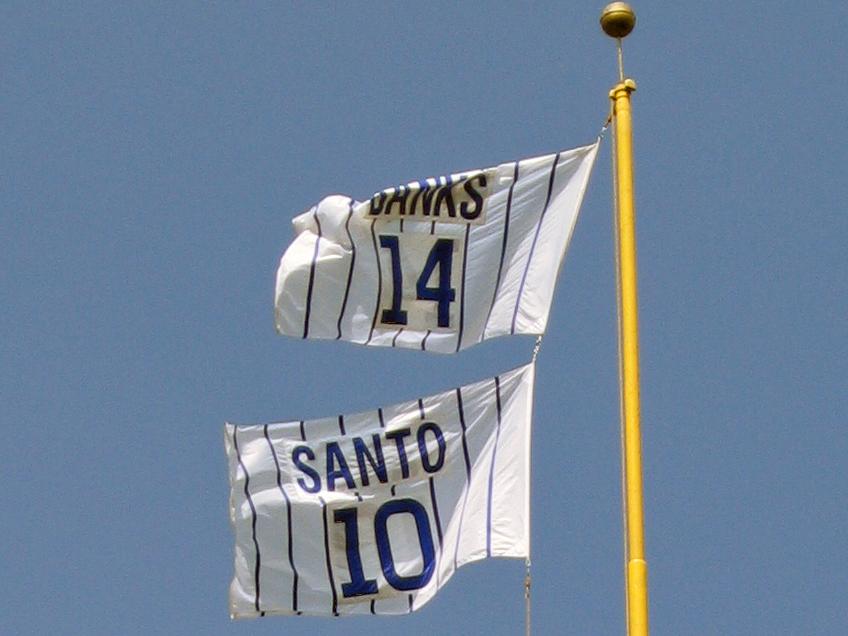
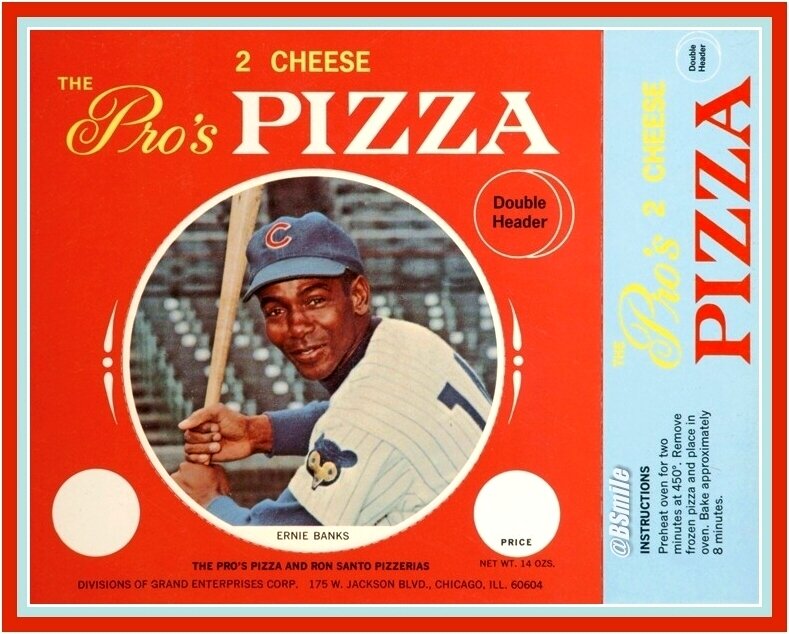
Ernest "Ernie" Banks (January 31, 1931 – January 23, 2015) was one of the most celebrated figures in American baseball. He spent his entire 19-year Major League career with the Chicago Cubs, becoming a symbol of the franchise and earning the affectionate nickname "Mr. Cub". Banks combined power hitting with a famously upbeat personality, often summarized by his catchphrase, "Let's play two!"
Image gallery
9 Images


Positions and playing style
Banks began his big-league career as a shortstop and later moved to the first baseman position as his career progressed. He was notable for being a rare power-hitting middle infielder during an era when shortstops were usually valued more for defense. His approach blended strong bat speed, an ability to drive the ball for extra bases, and a flair that energized fans even when his teams struggled.
Career and achievements
Banks debuted in Major League Baseball in the early 1950s and played from 1953 through 1971, all with the Cubs in the National League. Over his career he hit 512 home runs—a milestone reached by relatively few players—earning lasting recognition among the sport's power hitters. He won consecutive National League Most Valuable Player awards in 1958 and 1959 and was later elected to the Baseball Hall of Fame in 1977.
Honors and legacy
- Hall of Fame induction (1977).
- Two-time National League MVP (1958–1959).
- Career total of 512 home runs, placing him among the all-time leaders at the time of retirement.
- Recipient of the Presidential Medal of Freedom in 2013, awarded by Barack Obama.
Background and notable facts
Before joining the majors, Banks played professionally in the Negro leagues, gaining experience that helped prepare him for a standout major-league career. Despite often playing on teams that did not contend for championships, his individual excellence and optimistic public persona made him a cultural icon in Chicago and across baseball. He remained closely identified with the Cubs long after his playing days and is widely remembered for both his achievements on the field and his infectious enthusiasm for the game.
For additional reading on his career statistics, personal history, and influence on the sport, see team histories and dedicated baseball archives: Major League Baseball, Chicago Cubs, and other baseball reference resources.
Questions and answers
Q: Who was Ernie Banks?
A: Ernie Banks was a former Major League Baseball player.
Q: What positions did Ernie Banks play?
A: Ernie Banks played shortstop and first baseman.
Q: Which team did Ernie Banks play for his entire career?
A: Ernie Banks played for the Chicago Cubs of the National League for his entire 19-year career.
Q: How many home runs did Ernie Banks hit in his career?
A: Ernie Banks hit 512 home runs in his career.
Q: Was Ernie Banks ever elected to the Baseball Hall of Fame?
A: Yes, Ernie Banks was elected to the Baseball Hall of Fame in 1977.
Q: What was Ernie Banks known as?
A: Ernie Banks was known as "Mr. Cub".
Q: What award was Ernie Banks given by President Barack Obama in 2013?
A: Ernie Banks was awarded the Presidential Medal of Freedom by President Barack Obama in 2013.
Related articles
Author
AlegsaOnline.com Ernie Banks — American Baseball Legend ("Mr. Cub") Leandro Alegsa
URL: https://en.alegsaonline.com/art/32009
Sources
- mercurynews.com : 'Mr. Cub' Ernie Banks dies at 83
- baseballlibrary.com : "The Ballplayers - Ernie Banks Biography"
- baseball-almanac.com : "Grand Slams Single Season Leaders by Baseball Almanac"
- baseball-reference.com : "Ernie Banks Home Run Log (Batting)"
- tsn.sportingnews.com : Ripken: Records and Achievements
- chicago.cubs.mlb.com : "Cubs Retired Numbers"
- baseball-reference.com : "Most Games Played with no Post-Season Appearance"
- docs.newsbank.com : "Banks statue gets a chip off new block"
- chicagotribune.com : "Cubs legend Ernie Banks died of heart attack"
- fox32chicago.com : "'Mr. Cub' Ernie Banks laid to rest at Graceland Cemetery"