
Gospel of Luke: origins, structure, themes and significance
Comprehensive overview of the Gospel of Luke: its authorship, composition, major sections and themes, distinctive stories, historical context and role in Christian tradition.
Overview
The Gospel of Luke is one of the four canonical narratives that recount the life, teachings, death and resurrection of Jesus. It appears as the third gospel in the New Testament and is the longest of the four. Like the other canonical books recorded among the gospels (the Gospels), Luke presents a sequential account of events from the annunciation and birth narratives through Jesus’ ministry, final week in Jerusalem and the resurrection.
Image gallery
10 Images







Authorship and composition
Early Christian tradition attributes the work to Luke, who is portrayed elsewhere in the Christian writings as a companion of the apostle Paul and is described in one Pauline letter as a physician. Modern scholarship calls the work anonymous in the strict sense but recognizes a strong compositional unity between Luke and the companion volume, the Acts of the Apostles. The author addresses a patron named Theophilus and composes the narrative in polished Greek aimed at readers beyond a strictly Jewish audience, likely including Gentiles. Many scholars date Luke–Acts to about the late first century (commonly around 80–90 CE), though exact dating remains debated.
Sources and literary relationships
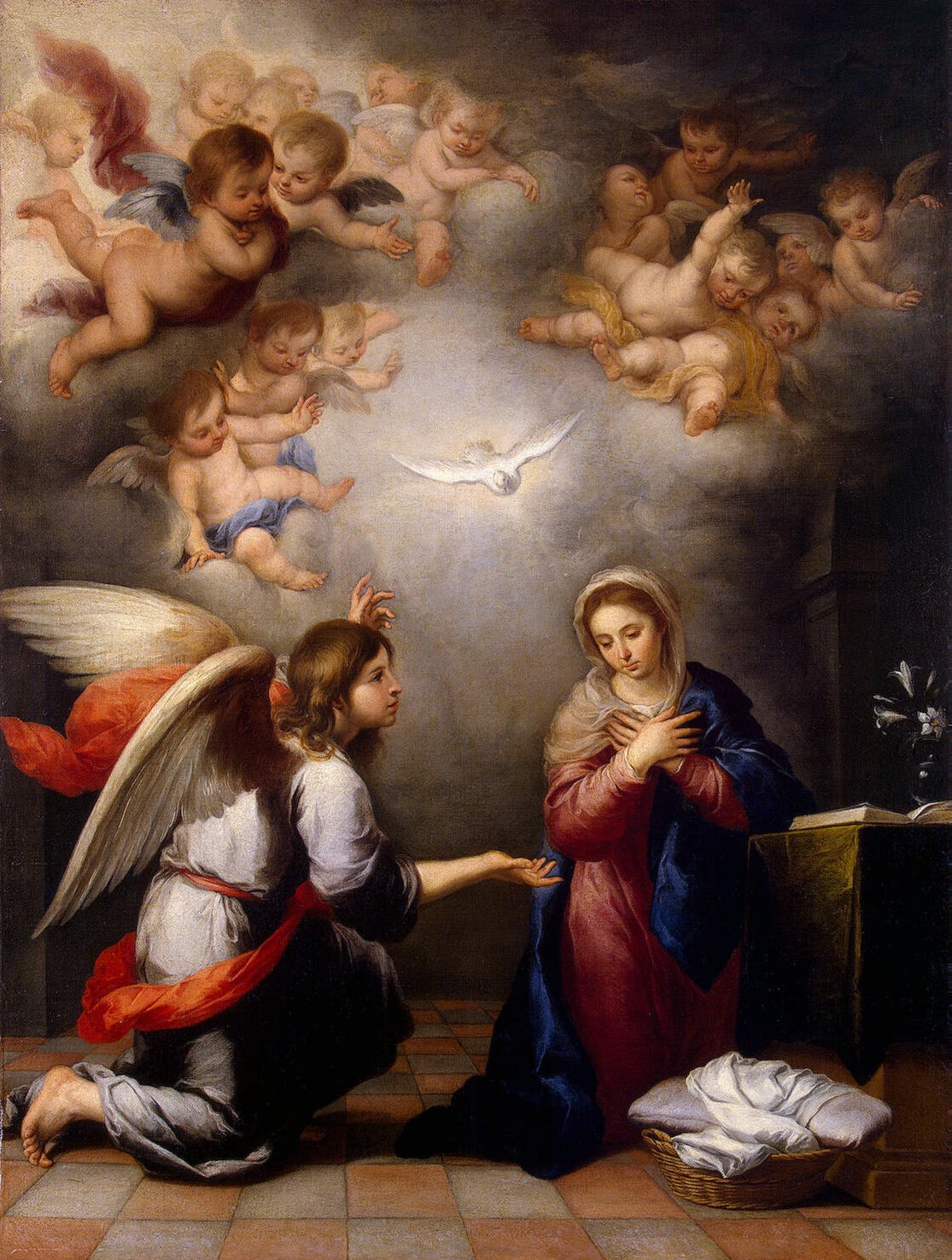
Luke is closely related to the Gospels of Matthew and Mark, sharing much material with them while also preserving unique traditions. The first two chapters contain an extended infancy narrative that is distinctive in scope and detail, including accounts of the annunciation to Mary and the birth narratives sometimes compared with lines in Virgin birth traditions. Scholars posit use of the Gospel of Mark as a source, a hypothetical sayings collection called Q for material shared with Matthew, and additional unique material often labelled ‘L’ for Luke’s special tradition.
Themes, theology and distinctive emphasis
Luke emphasizes God's mercy, social concern, and the universal availability of salvation — that Jesus’ message reaches Jews and non-Jews alike. The gospel highlights prayer, the work of the Holy Spirit, reversal of social fortunes, care for the poor and marginalized, and the inclusion of women. It portrays Jesus as compassionate and inclusive, presenting theological claims about him that led readers to see him as the Son of God. The narrative also treats the later fate of the movement: Luke’s second volume, Acts, continues the story after the ascension.
Structure and notable material
Luke’s structure is often summarized in four broad sections: the infancy and preparation (chapters 1–4), ministry in Galilee (4–9), the journey to Jerusalem (9–19) and the passion, death and resurrection in Jerusalem (19–24). It preserves many well-known episodes and sayings that are either unique to Luke or best known from his account: the parables of the Good Samaritan and the Prodigal Son, the shepherds at the nativity, and the detailed cleansing and teaching scenes in Jerusalem. The gospel also records interactions with religious leaders and a strong emphasis on repentance and forgiveness.
Notable parables and passages
- Good Samaritan — a teaching about neighborly love that confronts ethnic and religious boundaries.
- Prodigal Son — a story focused on mercy, repentance and familial reconciliation.
- Luke’s infancy narratives — extended accounts of the births of John the Baptist and Jesus, including Mary’s song and Simeon’s canticle.
- Journey material — teachings and dialogues occurring on the way to Jerusalem that shape Luke’s theological outlook.
Historical reception and significance
Luke has played a central role in Christian worship, theology and art, influencing doctrines about incarnation, salvation history and the church’s mission to both Jews and Gentiles. It has been read widely in liturgy and used extensively by theologians and preachers. The gospel’s portrait of Jesus and its social emphases have also made it a frequent reference for Christian reflection on poverty, hospitality and inclusion. For comparative study, readers often consult the other canonical narratives — Matthew, Mark and John — to trace similarities and differences in how the life of Jesus is presented.
Further scholarly and devotional resources can be found in editions of the Bible, commentaries and studies of the Synoptic problem, Luke’s theology, and the combined account of Luke–Acts. For historical background and textual comparisons see studies on Hellenistic contexts and Jewish–Christian relations (Jewish context) and on Luke’s probable cultural milieu that may be described as Greek or Hellenistic in character. Readers interested in the narrative connections and distinctive passages may consult guides that compare the Gospel of Luke with the other gospels (synoptic) and detailed examinations of Luke’s unique material (nativity, Christology).
For an accessible introduction, and for the primary text, see traditional translations and modern commentaries; academic treatments explore questions about sources, authorship and date, while devotional resources emphasize Luke’s pastoral and ethical message. Many editions and study guides point readers to the Acts volume (Acts) as the continuation of Luke’s theological and narrative intent.
Questions and answers
Q: Who wrote the Gospel of Luke?
A: The Gospel of Luke is believed to have been written by Luke, a friend of the Apostle Paul.
Q: What does the Gospel of Luke tell us about?
A: The Gospel of Luke tells stories about the life and teachings of Jesus.
Q: What other book did Luke write?
A: In addition to the Gospel of Luke, Luke also wrote another book which is fifth in the New Testament called "The Acts of the Apostles" which tells what Jesus' disciples did after his rise back to Heaven.
Q: Was Luke Jewish or Greek?
A: Unlike the gospel writers Matthew, Mark and John, it is believed that Luke was probably not Jewish but was Greek.
Q: Why did he write his gospel?
A: It is believed that he wrote his gospel for a man he calls 'most excellent Theophilus' (1:3) and mainly for non-Jewish people (who were called Gentiles by Jews). He wrote to prove that Jesus is the Son of God.
Q: Does this gospel contain similar stories as other gospels?
A: Yes, it contains many similar stories about Jesus as other gospels do.
Q: What does this gospel tell us more than others about?
A; This gospel tells more about the Virgin birth of Jesus than any other gospels do.
Related articles
Author
AlegsaOnline.com Gospel of Luke: origins, structure, themes and significance Leandro Alegsa
URL: https://en.alegsaonline.com/art/39832