
Greed: Definition, Perspectives, History and Social Effects
Greed is an excessive desire for wealth or goods. This article covers definitions, distinctions from related desires, religious and philosophical views, economic and psychological perspectives, and societal effects.
Overview
Greed is commonly defined as an intense or rapacious desire to accumulate more goods, money, or power than one needs. It differs from ordinary aspiration in degree and in disregard for others' well‑being. Some discussions treat greed as a personal vice; others analyze it as a social force that can shape markets, institutions, and culture. For a concise working definition, see more goods or more wealth.
Image gallery
7 Images





Characteristics and distinctions
Greed can be identified by several features: an excessive focus on acquisition, willingness to hoard, and prioritizing self‑gain over fairness. It is often contrasted with ambition or thrift. Where ambition seeks achievement or recognition, and thrift values careful use of resources, greed emphasizes accumulation beyond need. Related but distinct moral concerns include envy (desire for what others have) and gluttony (excess in consumption).
Religious and historical perspectives
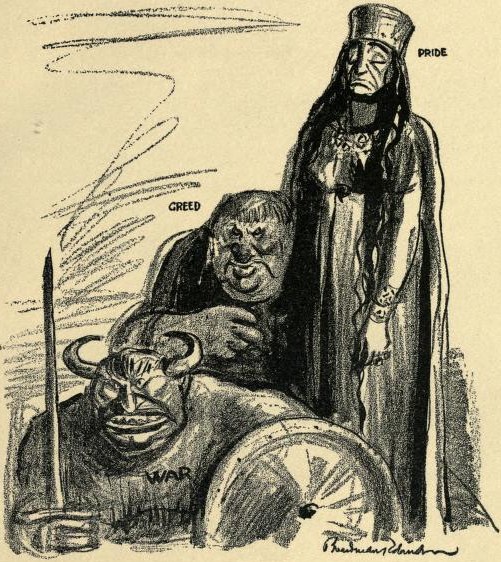
Many religious traditions condemn or caution against greed. In Christian moral teaching, greed is classed among the Seven Deadly Sins; classical Latin texts use the term avaritia. See Christian views at Christianity and the list of sins at Seven deadly sins, with the Latin label avaritia. Other faiths — including Buddhism and Islam — encourage moderation and warn that excessive attachment to material goods fosters suffering and social harm.
Psychological and economic perspectives
Psychologists examine greed as a motive that can stem from insecurity, reinforcement, or cultural values. Economists and political theorists debate its role: some argue self‑interest can produce positive outcomes through incentives, while others point to market failures, corruption, and the tragedy of the commons when unchecked accumulation harms collective welfare.
Consequences and examples
Greed can have tangible effects: corporate misconduct, financial crises, environmental degradation, and increased inequality are commonly cited examples when individual or institutional gain overrides stewardship and regulation. At the same time, debates continue about how to distinguish productive competition from destructive avarice.
Responses and mitigation
Societies address greed through ethics, law, and social norms. Legal frameworks (antitrust rules, anti‑fraud measures, taxation) and cultural institutions (education, religion, corporate governance) aim to limit excesses. Personal remedies include cultivating generosity, accountability, and policies that align incentives with public goods.
- Key contrasts: greed vs ambition, greed vs envy
- Common remedies: regulation, transparency, moral education
- Areas of debate: when does self‑interest become socially harmful?
Related articles
Author
AlegsaOnline.com Greed: Definition, Perspectives, History and Social Effects Leandro Alegsa
URL: https://en.alegsaonline.com/art/40628