
Guru: teacher, guide, and cultural role
An overview of the term guru: its etymology, role across Indian religions, the guru–disciple tradition, modern uses of the word, distinctions from mentor/tutor, and notable issues.
Overview and etymology
The word Sanskrit guru traditionally denotes a teacher or guide. In literal and poetic explanations it is often rendered as one who dispels ignorance — sometimes etymologized as gu (darkness) and ru (remover) — or as someone weighty and venerable. In common English usage the term is used for a person regarded as an authoritative teacher or an expert, comparable to a teacher.
Image gallery
3 Images
Role in Indian religious traditions
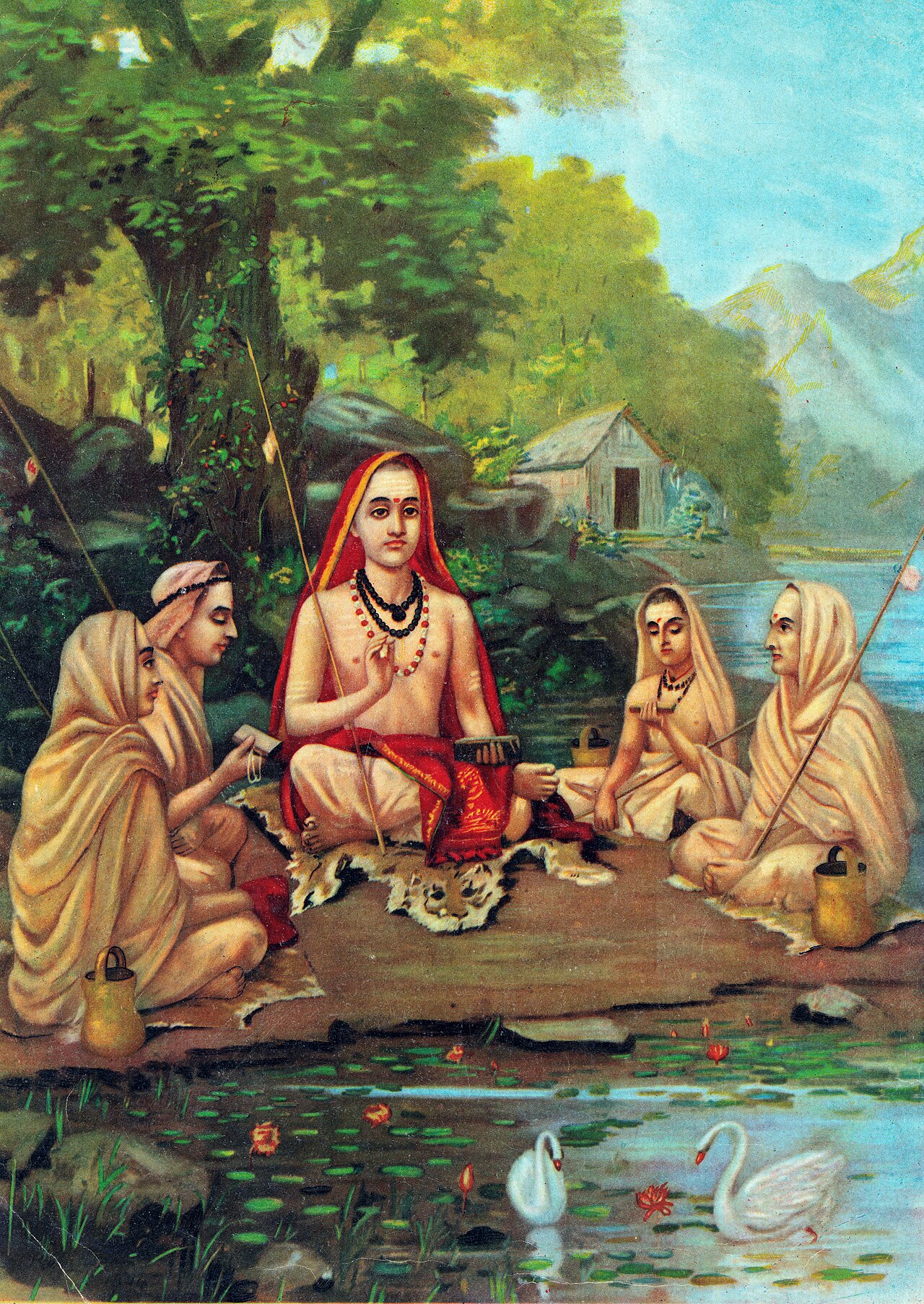
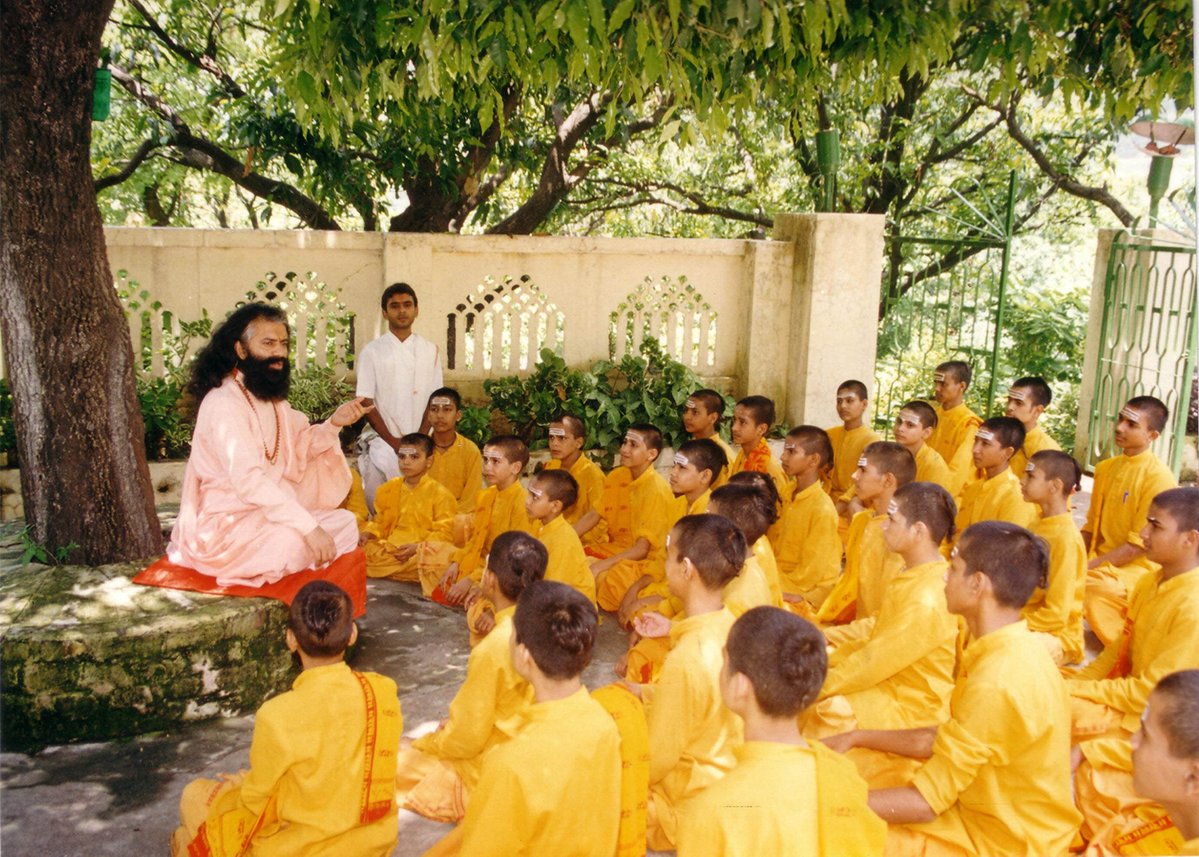
Within several Eastern religions the guru occupies a central place in spiritual life. In Hinduism a guru transmits scripture and practice through the long-standing guru–shishya (teacher–disciple) relationship and through formal initiation (often called diksha). Buddhist traditions, especially Tibetan Buddhism, use a similar model where a spiritual teacher offers instruction and transmission; the term is sometimes used alongside titles like lama in those contexts (Buddhism). In Sikhism the historical Gurus were both spiritual leaders and community founders, while modern movements such as Transcendental Meditation also give prominent status to individual teachers or founders.
Functions and characteristics
Typical functions of a guru include instruction in sacred texts and practices, counseling, exemplifying ethical or spiritual ideals, and maintaining or conveying a lineage of teaching (known as parampara). A guru may offer personalized guidance tailored to a disciple’s stage of development and may be seen as an intermediary for experiential knowledge rather than merely academic information. The relationship often emphasizes trust, commitment and long-term mentorship.
Modern and Western usage
In Western and secular contexts the word has broadened to describe anyone perceived as an outstanding practitioner or adviser, as in "tech guru" or "marketing guru." In many of these usages the sense is close to terms like mentor or coach, but with added connotations of personality, influence or charismatic authority. This wider usage reflects cultural borrowing but can dilute the term’s specific religious and social meanings.
Distinctions, benefits and controversies
Distinguishing between a teacher, mentor, and guru helps clarify expectations: a teacher may focus on skills or information, a mentor on career and personal development, while a guru traditionally implies spiritual transmission and deeper personal allegiance. Gurus can play a constructive role in preserving teachings, offering moral support and fostering community. At the same time, concentrated authority has sometimes led to abuses, controversy or the formation of controlling groups; scholars and practitioners emphasize transparency, accountability, and ethical standards as safeguards.
Common practices and notable facts
- Initiation rituals and vows are frequent in traditions where gurus transmit spiritual power or authority.
- Lineage (parampara) preserves continuity of interpretation and method across generations.
- Modern uses apply the label to secular experts and public figures, reflecting its metaphorical extension.
The term guru therefore encompasses a range of meanings from a formal spiritual teacher embedded in long traditions to a modern label for expertise and influence. Understanding context — religious, cultural or popular — is essential when interpreting what the word implies about authority, responsibility and the nature of the guidance offered.
Sanskrit source • teacher • Eastern religions overview • Hinduism • Buddhism • Sikhism • Transcendental Meditation • mentor / tutor
Questions and answers
Q: What is the meaning of guru in the Sanskrit language?
A: Guru means teacher in the Sanskrit language.
Q: Which religions use guru as a title?
A: Eastern religions such as Hinduism, Buddhism, Sikhism and newer movements such as Transcendental Meditation use guru as a title.
Q: Who may be called a guru in Western usage?
A: In Western usage, any person who has followers may be called a guru, even if he is followed for things other than religion or philosophy.
Q: What kind of person may be called a guru if he influences by personal teaching?
A: A person with knowledge or expertise may be called a guru if he influences by personal teaching.
Q: What is a modern term that has a similar meaning to guru?
A: Mentor and tutor are modern terms that have a rather similar meaning to guru.
Q: Is guru only used in religious contexts?
A: No, guru is not only used in religious contexts, it may also be used for someone who is followed for things other than religion or philosophy.
Q: Which language is guru from?
A: Guru is from the Sanskrit language.
Related articles
Author
AlegsaOnline.com Guru: teacher, guide, and cultural role Leandro Alegsa
URL: https://en.alegsaonline.com/art/41502
Sources
- mw1.merriam-webster.com : "Definition of guru"