
John the Apostle
One of the earliest Christian leaders traditionally counted among Jesus’ twelve apostles. Associated with several New Testament books and remembered for a close relationship with Jesus and a long pastoral influence.
Overview
John the Apostle is a central figure in early Christianity traditionally described as a son of Zebedee and brother of James. Early Christian sources place him among the group called the Twelve Apostles and as a close companion of Jesus. He appears repeatedly in the canonical New Testament, where he is portrayed as part of Jesus’ inner circle and is associated with several important episodes and teachings.
Image gallery
10 Images

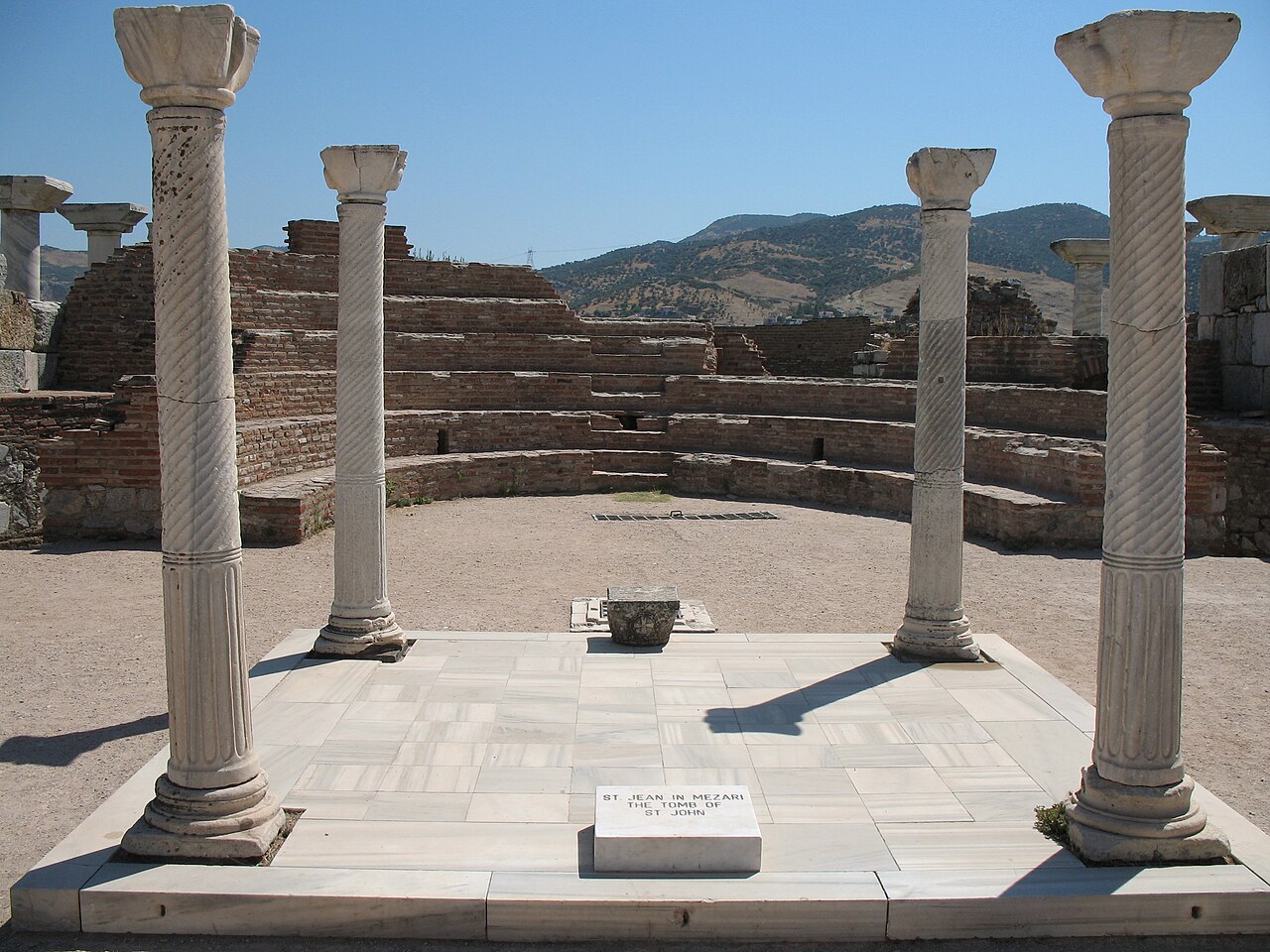


Life and role
According to later tradition, John came from a fishing family in Galilee and worked with his father Zebedee. He is usually identified with the brother of James, who is linked in some accounts with being the first of the apostles to suffer martyrdom; many biographies mention his mother Salome. The Gospels depict John as present at key moments such as the Transfiguration and the crucifixion, and he is often described as particularly close to Jesus.
Writings attributed to John
Several New Testament books are traditionally attributed to John. These include:
- The Gospel of John — a theological account of Jesus’ life and meaning.
- 1, 2 and 3 John — short epistles addressing doctrine, ethics, and church life.
- Revelation (the Apocalypse) — a visionary book about the end times, often linked to John of Patmos.
Scholars differ on whether one historical person authored all these works. Traditional attribution treats them as products of the same Johannine circle; modern critical study raises questions about dates, vocabulary, and authorship.
Identity and authorship debates
Early church writers sometimes use titles interchangeably (John the Apostle, John the Evangelist, John of Patmos), which has led to debate. Some scholars separate the author of the Gospel and epistles from the author of Revelation; others argue for a single or multiple authors within a Johannine community. These discussions affect how the texts are dated and understood.
Legacy and importance
John’s influence has been substantial in theology, liturgy, and art. He is remembered as an eyewitness figure in Christian memory and as a source for high Christology and pastoral counsel. References to his family ties appear in tradition, for example his brother James, and devotional and scholarly traditions have long explored his life and writings. For devotional reading, historical study, or theological reflection, John remains a pivotal early Christian witness and a topic of ongoing scholarly interest. Additional resources and summaries on his life and works can be found through introductory materials on the life and followers of Jesus and specialized studies listed elsewhere.
Related articles
Author
AlegsaOnline.com John the Apostle Leandro Alegsa
URL: https://en.alegsaonline.com/art/50829
Sources
- newadvent.org : "St. John the Evangelist"
- britannica.com : Saint John the Apostle | Biography, Facts, Writings, & Death | Britannica.com