
Matthew the Evangelist: Tradition, Authorship and Role of the Gospel of Matthew
Traditional name given to the attributed author of the Gospel of Matthew. Modern scholarship treats the gospel as anonymous; this article explains traditions, internal features, dating, and its significance.
Matthew the Evangelist is the traditional name given to the putative author of the Gospel of Matthew, one of the four canonical gospels in the Christian canon. In Christian tradition this figure has been identified with Matthew the Apostle, also called Levi, a tax collector mentioned in the New Testament. However, the gospel itself does not name its author, and most contemporary scholars describe the author as anonymous. The title linking the gospel to "Matthew" appears in early Church practice and is found in writings of the second century.
Image gallery
10 Images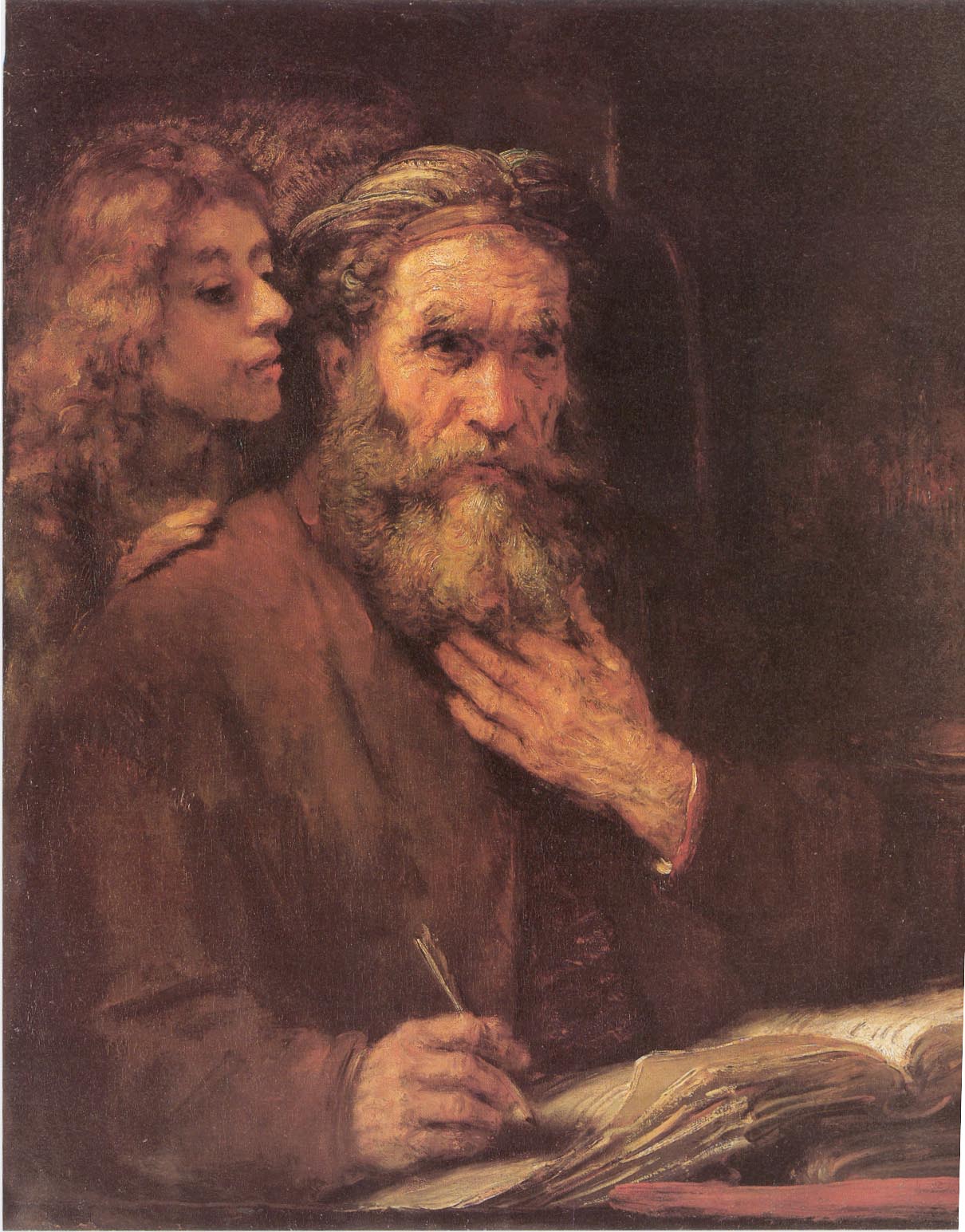




Authorship and identity
Early Christian writers attributed the work to Matthew the apostle; sources often cited as reflecting this tradition include second-century Christian commentators. Modern critical scholarship evaluates internal evidence — language, style, theological emphasis, and dependence on other written sources — and concludes that the gospel was likely composed by a literate Jewish Christian who wrote in Greek for a community versed in Jewish scriptures. Many scholars estimate the composition in the late first century (commonly dated around AD 80–90), though precise dating is debated.
Characteristics and structure
- Jewish orientation: The gospel frequently cites Hebrew scripture and frames Jesus as fulfillment of Jewish prophecy.
- Five major discourses: Matthew organizes much of Jesus' teaching into five extended blocks (for example, the Sermon on the Mount), a pattern some see as echoing the five books of the Torah.
- Infancy narratives: Contains an account of Jesus' birth and early life not found in all gospels.
- Use of sources: Shares material with Mark and a hypothetical sayings collection (often called Q) and contains unique traditions and editorial shaping.
History and transmission
By the second century the work was accepted in many Christian circles and came to be received as authoritative scripture in the developing Christian canon. Its Greek text circulated widely and was copied in various manuscript traditions that later formed the basis for translations and liturgical use. The process by which the gospel acquired the title "Matthew" reflects the early church's practice of attributing anonymous works to apostolic figures to affirm their authority.
Importance and influence
The Gospel of Matthew has been influential in theology, liturgy, and ethical teaching across diverse Christian traditions. Key passages such as the Sermon on the Mount have shaped Christian moral thought and devotional practice. The gospel's interpretation of Jesus' relationship to Jewish law and prophecy also played a central role in early Christian debates about continuity with Judaism and in later doctrinal developments.
Notable distinctions and facts
- Although tradition links the work to an apostle named Matthew, scholarly consensus treats the gospel as the product of an anonymous author who adopted Matthew's name in later tradition.
- In Christian art and iconography the name "Matthew" is often associated with the symbol of the winged human or angel, one of the four living creatures derived from prophetic literature.
- For readers seeking primary texts and introductions, many modern editions include scholarly introductions and notes that discuss attribution, sources, and historical context—useful starting points available in standard collections of the Bible.
In summary, "Matthew the Evangelist" functions both as a traditional authorial label rooted in early Christian practice and as a subject of scholarly inquiry into how the Gospel of Matthew was composed, circulated, and received by early communities. Understanding the distinction between the named tradition and the anonymous nature of the surviving text is central to historical study of the gospel.
Related articles
Author
AlegsaOnline.com Matthew the Evangelist: Tradition, Authorship and Role of the Gospel of Matthew Leandro Alegsa
URL: https://en.alegsaonline.com/art/62900