
Virgin birth of Jesus
The belief that Jesus was conceived by Mary while she was a virgin, affirmed in Christian creeds and the Qur'an, and significant for doctrines of incarnation, sinlessness, and Mariology.
Overview
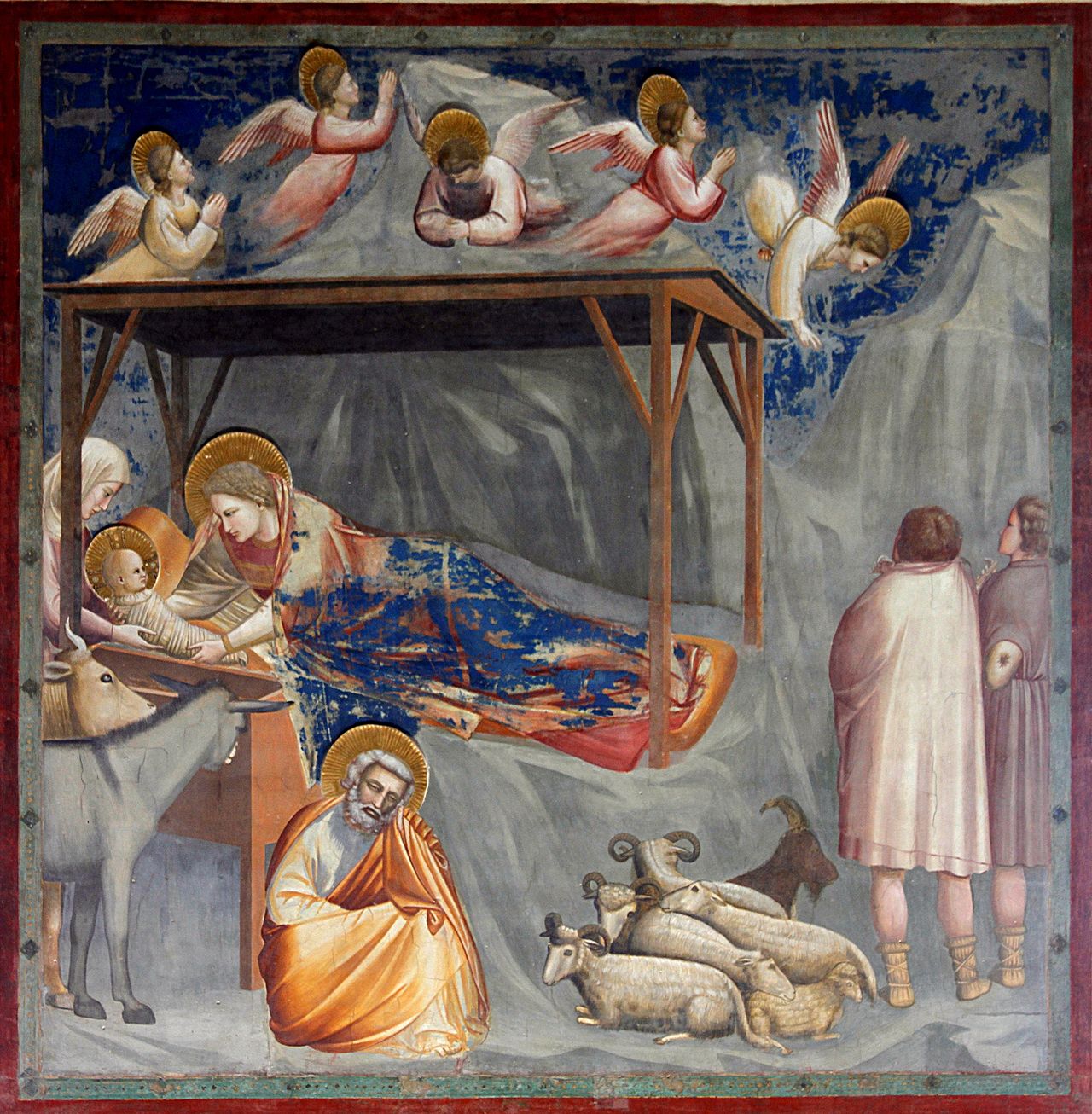
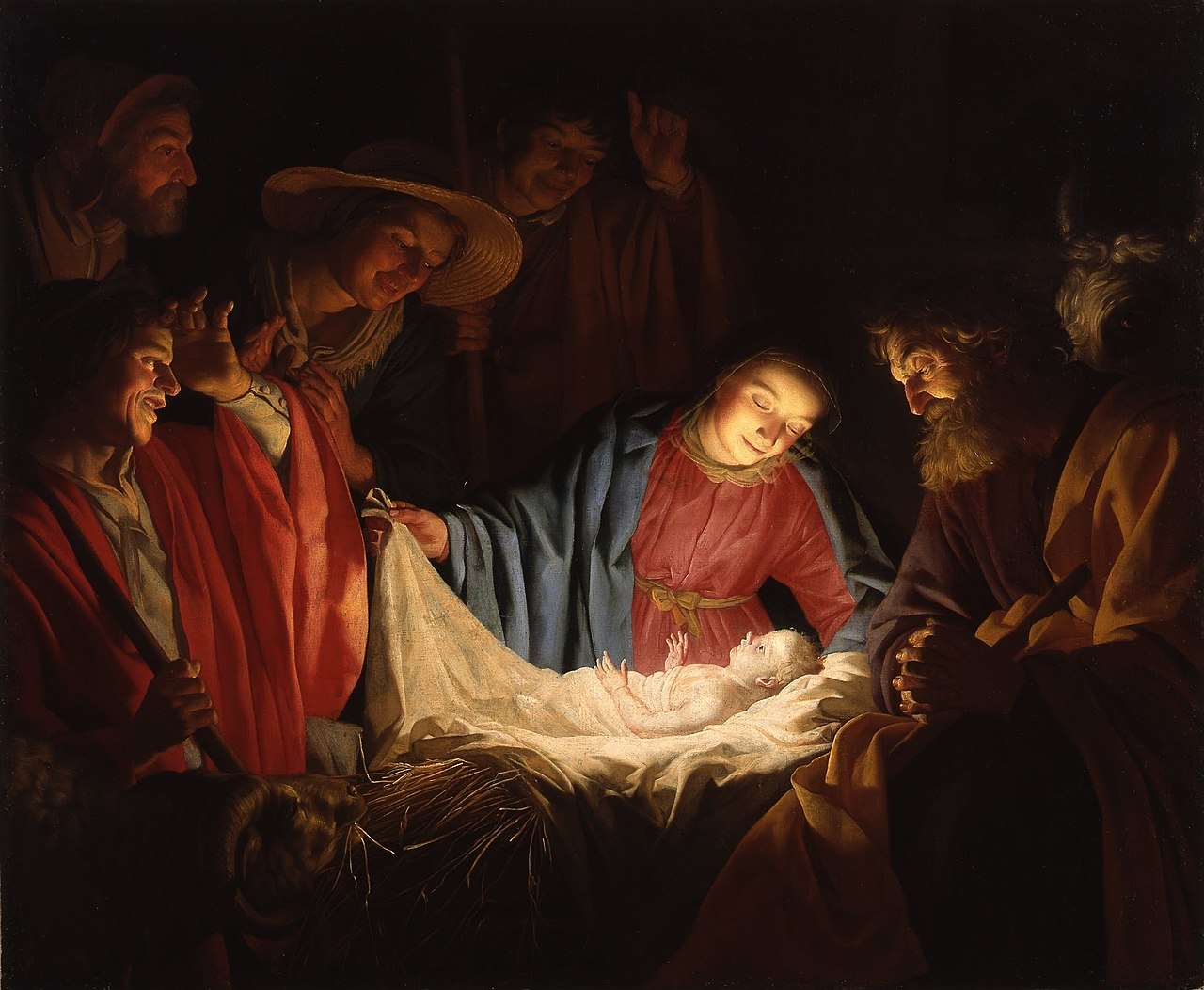
The term "virgin birth" refers to the claim that Jesus of Nazareth was conceived while his mother Mary remained a virgin. This idea is a central element of traditional Christian teaching and is also affirmed in Islam. Different communities express the claim with varying emphases: some stress a miraculous conception by the Holy Spirit, others focus on Mary’s special status. The doctrine has been invoked to affirm both Jesus’ divine origin and Mary’s unique role in salvation history. For a general introduction see Christian perspectives and comparative summaries such as those found in overviews of Christian doctrine and Islamic accounts.
Image gallery
10 Images




Scriptural accounts and sources
The primary accounts of the virgin birth in the Christian tradition appear in the two Nativity narratives of the New Testament: the Gospel of Matthew and the Gospel of Luke. These narratives describe an annunciation to Mary, virginal conception by the Spirit, and circumstances surrounding Jesus’ birth. The Gospels are often discussed together as the core biblical witnesses on this subject; see broader treatments under the Gospels. Early Christian creeds also incorporated the belief: for example, the Nicene Creed and the Apostles' Creed both refer to Jesus as "born of the Virgin Mary." The claim is linked to Old Testament texts in some readings (for example, passages in Isaiah) and has been interpreted as fulfillment of prophecy in traditional exegesis (Isaiah, Old Testament contexts).
Theological significance
Within classical Christian theology the virgin birth is often connected to the doctrines of the Incarnation and Christ's divine sonship. Statements that Jesus was "incarnate of the Holy Spirit and the Virgin Mary" identify his human origin with Mary and his divine origin with God (incarnation, Holy Spirit). Some traditions also relate the virgin birth to ideas about Mary’s holiness, Christ’s sinlessness, and the uniqueness of the Christian salvation event. The Roman Catholic and Eastern Orthodox churches, for example, teach that Mary remained a virgin in childbirth (sometimes expressed by the Latin phrase virgo intacta) and emphasize her role in Mariology.
History and reception
Belief in a virginal conception became widespread in the early centuries of the Christian movement. By the second century the doctrine was commonly affirmed in many Christian communities and later became embedded in liturgical and creedal formulations. The claim survived across major branches of Christianity even as theological debates continued about its precise meaning. From the Enlightenment onward, some scholars began to question historical and literary aspects of the nativity accounts, while many churches maintained traditional teachings. Early dissenting or sectarian positions also existed, though they remained minority views and varied by region and period (early centuries, Enlightenment critiques).
Variations, debates and comparative perspectives
- The detail and interpretation of the nativity stories differ between Matthew and Luke: Matthew emphasizes fulfilment and Joseph’s perspective, while Luke highlights the annunciation to Mary and shepherds. See the respective narratives in Matthew and Luke.
- Within Christianity, later debates distinguish between the virginal conception (that Mary conceived while a virgin) and teachings about Mary’s perpetual virginity (that she remained a virgin throughout her life). The Roman Catholic and Eastern Orthodox churches have historically affirmed continuous virginity after birth (Orthodox/Catholic teaching), while many Protestant traditions accept the virgin birth but interpret Mary's later life differently.
- In Islam, the Qur'an affirms that Mary (Maryam) was chosen and that Jesus (ʿĪsā) was born through a miraculous event; the Qur'anic portrayal uses the phrase "Jesus, son of Mary" and recounts an annunciation narrative without the Christian theological framework of incarnation (Qur'an, Islamic teachings).
Importance and contemporary reflection
The virgin birth remains a touchstone for questions about how religious communities combine historical claims and theological meaning. For believers it expresses convictions about divine action, revelation, and the uniqueness of Jesus. For many scholars it is also a subject for historical-critical study, literary analysis of the nativity texts, and comparative religion. Modern discussions touch on faith and reason, the relation of doctrine to scripture, and the role of Mary in devotional life (Mary's status, annunciation traditions).
Notable facts and distinctions
- Both the Nicene Creed and the Apostles' Creed include language linking Jesus’ birth to the Virgin Mary.
- The Gospel narratives are the principal New Testament sources: scholars often analyze differences between Matthew and Luke rather than treating them as identical reports.
- The doctrine has been understood differently over time and across denominations: see distinctions between Eastern and Western traditions and later theological debates about historicity (church history, various sects).
- References to prophecy and fulfillment are often cited by proponents; others interpret the nativity material as theological narrative rather than straightforward history (prophetic readings, miraculous claims).
- The topic continues to be discussed in interfaith contexts, since both Christians and Muslims honor Mary and recount a miraculous birth story for Jesus (sexuality discussions, paternity debates).
For further reading and specific scriptural passages consult study resources on the creeds, canonical gospel texts, and interfaith summaries (incarnation studies, Spirit Christology, birth narratives, Christology, Qur'anic passages). Additional background can be found in surveys of early Christian belief and its development through late antiquity (second century, modern critique, Matthean material, Lukan material, Gospel studies).
Related articles
Author
AlegsaOnline.com Virgin birth of Jesus Leandro Alegsa
URL: https://en.alegsaonline.com/art/105519
Sources
- britannica.com : "Virgin Birth"
- tools.wmflabs.org : Matthew 1:18
- tools.wmflabs.org : Luke 1:26-35
- tools.wmflabs.org : John 1:14
- themoorings.org : "The Virgin Birth of Christ, Lesson 3: Evidence of its Historicity – The Birth Narratives"
- bibletools.org : "Forerunner Commentary: Galatians 4:1-5"
- biblegateway.com : Genealogy of Jesus Christ
- tools.wmflabs.org : Acts 2:23
- tools.wmflabs.org : 2:32
- tools.wmflabs.org : 3:14-15
- tools.wmflabs.org : 4:10
- tools.wmflabs.org : 10:39-40
- tools.wmflabs.org : 1 Corinthians 15:3-4