
Goguryeo (Koguryo): an ancient Korean kingdom, 37 BCE–668 CE
Goguryeo was a major ancient Korean kingdom (traditional founding 37 BCE–668 CE) centered in northern Korea and southern Manchuria, noted for military power, tomb art, and a lasting role in regional history.
Goguryeo (also spelled Koguryo) was one of the principal states on the Korean peninsula and in northeastern Asia from its traditional founding in 37 BCE until its fall in 668 CE. Centered originally in the area of the upper Yalu (Amnok) and Tumen rivers, the polity expanded over several centuries to encompass large parts of the northern Korean peninsula and areas of southern Manchuria. It emerged in a multiethnic frontier of states and nomadic groups and developed a distinctive identity expressed in its institutions, material culture, and military traditions. For general introductions and overviews see introductory summaries and regional surveys at historical overviews.
Image gallery
10 Images


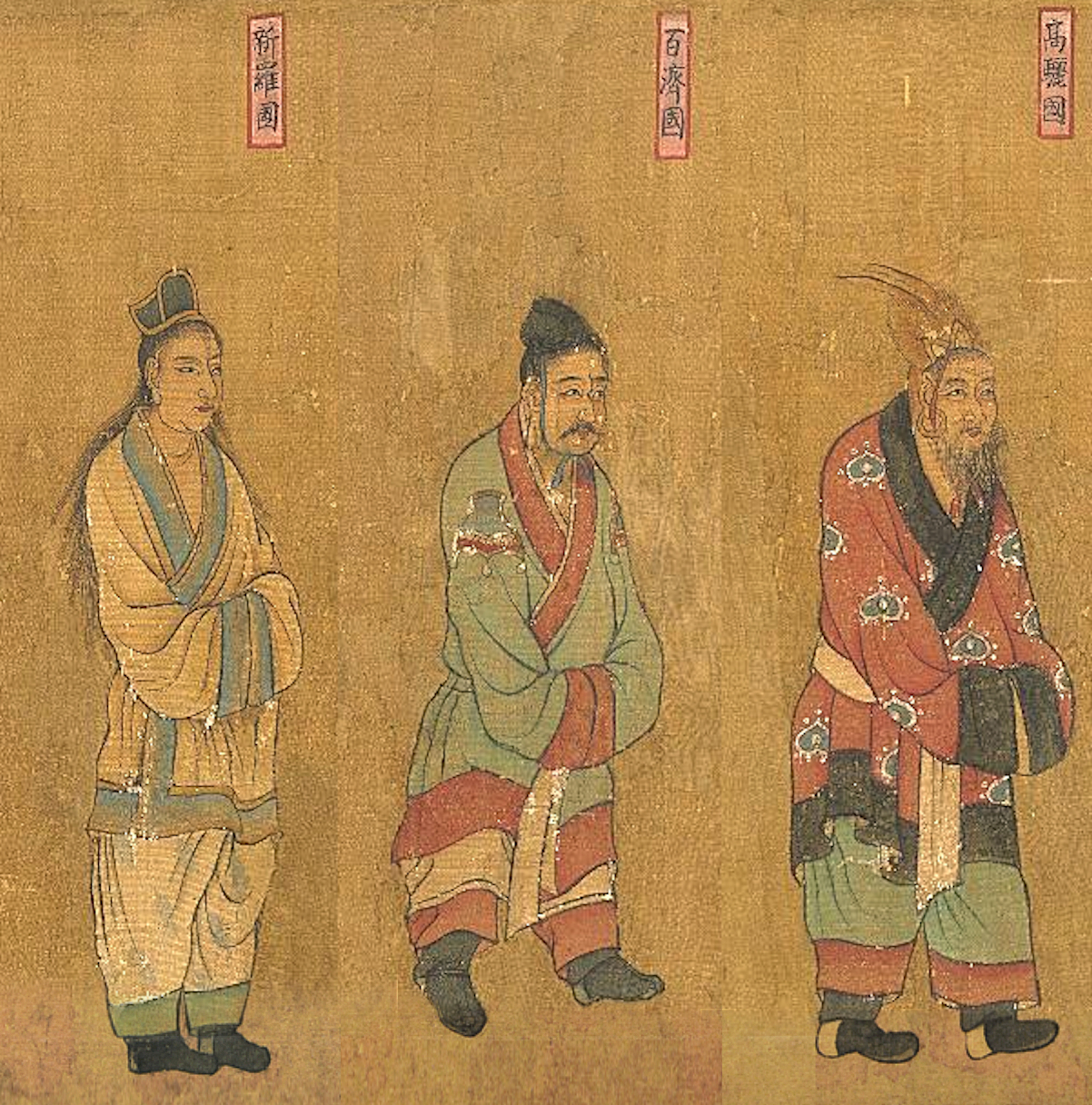


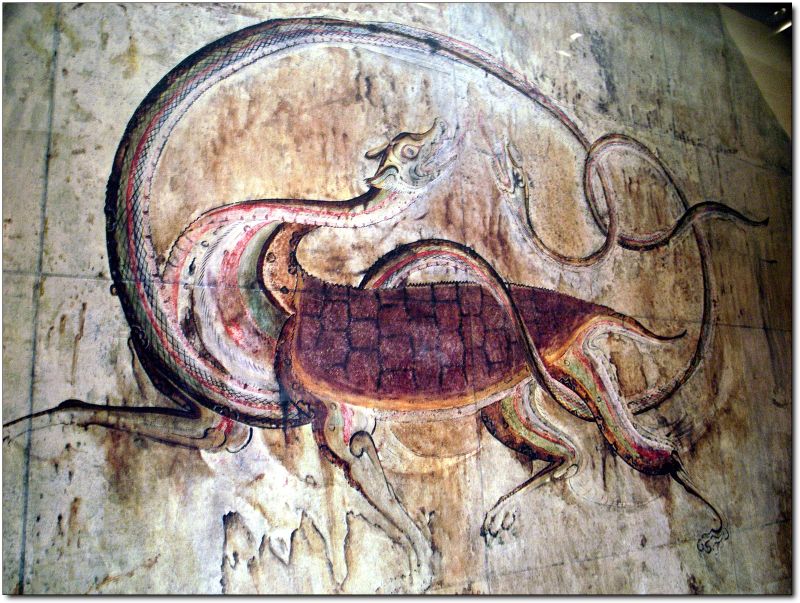
Origins and founding legend
The traditional narrative credits Jumong (also called Dongmyeong) as the kingdom's founder. Chronicles preserve a foundation legend in which Jumong leaves East Buyeo, settles at Jolbon, and establishes a royal house; motifs of miraculous birth and exceptional archery accompany these accounts. Modern historians treat these stories as a mixture of myth and memory and combine them with archaeological evidence to explore early state formation. Useful discussions of source traditions and foundational tales appear in works collected at legend and source studies and comparative research at regional literature.
Capitals, administration and society
Goguryeo's political center moved as the kingdom grew. Early seats included Jolbon and then Gungnae (near modern Ji'an), with a later major capital at Pyongyang. The state maintained a hereditary monarchy supported by an aristocratic elite and regional administrators. Its society combined agricultural production, craft specialization, and control of trade routes linking the peninsula with Manchuria and beyond. For administrative and settlement studies see administrative histories and archaeological syntheses at settlement reports.
Military organization and expansion
Military strength was central to Goguryeo's power. Fortifications, mobilizable cavalry, and ironworking underpinned campaigns against neighboring polities and nomadic confederations. During the late fourth and early fifth centuries Goguryeo achieved notable expansion under rulers traditionally identified with titles such as Gwanggaeto and his successor Jangsu, extending influence across parts of Manchuria and confronting Chinese dynasties, the Xianbei, and rivals on the Korean peninsula. Military and diplomatic activities are summarized in studies available at campaign histories and in military archaeology resources at regional military studies.
Art, religion and material culture
Goguryeo is particularly noted for its richly painted tomb murals, which survive in a number of burial mounds and provide vivid depictions of clothing, rituals, mythic subjects, and daily life. These murals, together with stone fortresses, stepped tomb architecture, and metalwork, form key evidence for religion, social practice, and artistic expression. Temple remains and funerary goods suggest a mixture of indigenous beliefs with continental influences. For museum catalogues and archaeological reports consult tomb and art studies and comparative analyses at art and archaeology.
Later politics, Yeon Gaesomun and decline
In the sixth and seventh centuries internal factionalism and succession disputes increasingly affected the state's cohesion. A major turning point was the rise of the military leader Yeon Gaesomun, who seized power and led Goguryeo through a period of strong, often aggressive, defense against external threats. After his death the kingdom suffered renewed internal divisions, while the Tang dynasty of China and the southern Korean kingdom of Silla formed alliances and mounted sustained campaigns. Primary-source translations and late-period studies can be found at late political histories and analytical works at fall and aftermath studies.
Legacy and modern significance
Goguryeo's legacy has been influential in the history and identity of later states in the region. Its administrative practices, fortifications, and artistic achievements informed successor polities such as Balhae and regional cultures on the peninsula. In modern times, Goguryeo is a focus of archaeological research, heritage preservation, and scholarly debate about territorial history and interpretation. These debates intersect with national narratives and with international scholarly exchange; readers may consult institutional resources and historiographical discussions at the links above for balanced perspectives.
- Notable rulers: Jumong (Dongmyeong), King Gwanggaeto (traditionally revered for expansion), King Jangsu (noted for consolidation and longevity).
- Cultural markers: large stone fortresses, muraled tombs, iron weaponry and tools, and horse-based military tactics.
- Historical importance: a major military and political actor in early medieval Northeast Asia whose influence continued after its fall.
Questions and answers
Q: Who founded Goguryeo?
A: Jumong (주몽朱蒙) founded Goguryeo in 37 BC.
Q: What was the name of the capital city of Goguryeo?
A: The capital city of Goguryeo was Jolbon, which was founded by Jumong.
Q: What is the legend behind Jumong's birth?
A: According to legend, Jumong was born out of an egg and brought up by King Gumwa (금와왕) of East Buyeo.
Q: How did Jumong get his name?
A: His name, Jumong, means a person who is good at archery because of his archery skills.
Q: Who were some enemies that Goguryeo faced during its reign?
A: During its reign, Goguryeo faced several enemies such as the Chinese Han Dynasty and Xianbei.
Q: Who is considered to be the most famous king of Goguryeo?
A: The most famous king of Goguryeo is King Gwanggaeto the Great (광개토대왕).
Q: How did Goguryeo eventually fall?
A: Eventually, when it was under control of 27th king Youngryou (영류왕), it became a vassal state to Tang Dynasty and due to lack of cooperation from people it was destroyed by allied forces from Tang and Silla.
Related articles
Author
AlegsaOnline.com Goguryeo (Koguryo): an ancient Korean kingdom, 37 BCE–668 CE Leandro Alegsa
URL: https://en.alegsaonline.com/art/39425
Sources
- mygoguryeo.net : "Goguryeo. Proud History of Korea"
- books.google.com : Northern China, the Valley of the Blue River, p. 422.