
Gangwon Province (Gangwon‑do), South Korea
Gangwon‑do is a mountainous province in northeastern South Korea, known for its forests, ski resorts, coastal islands and hosting the 2018 Winter Olympics events in Pyeongchang and Gangneung.
Overview
Gangwon Province, commonly called Gangwon‑do, occupies the northeastern part of South Korea. Its approximate central coordinates are 37°30′N 128°15′E. The provincial capital is Chuncheon, a regional administrative and cultural centre. As a modern province it is part of South Korea, but historically it formed a single province with what is today the North Korean province of Kangwŏn before the division of Korea in 1945.
Image gallery
10 Images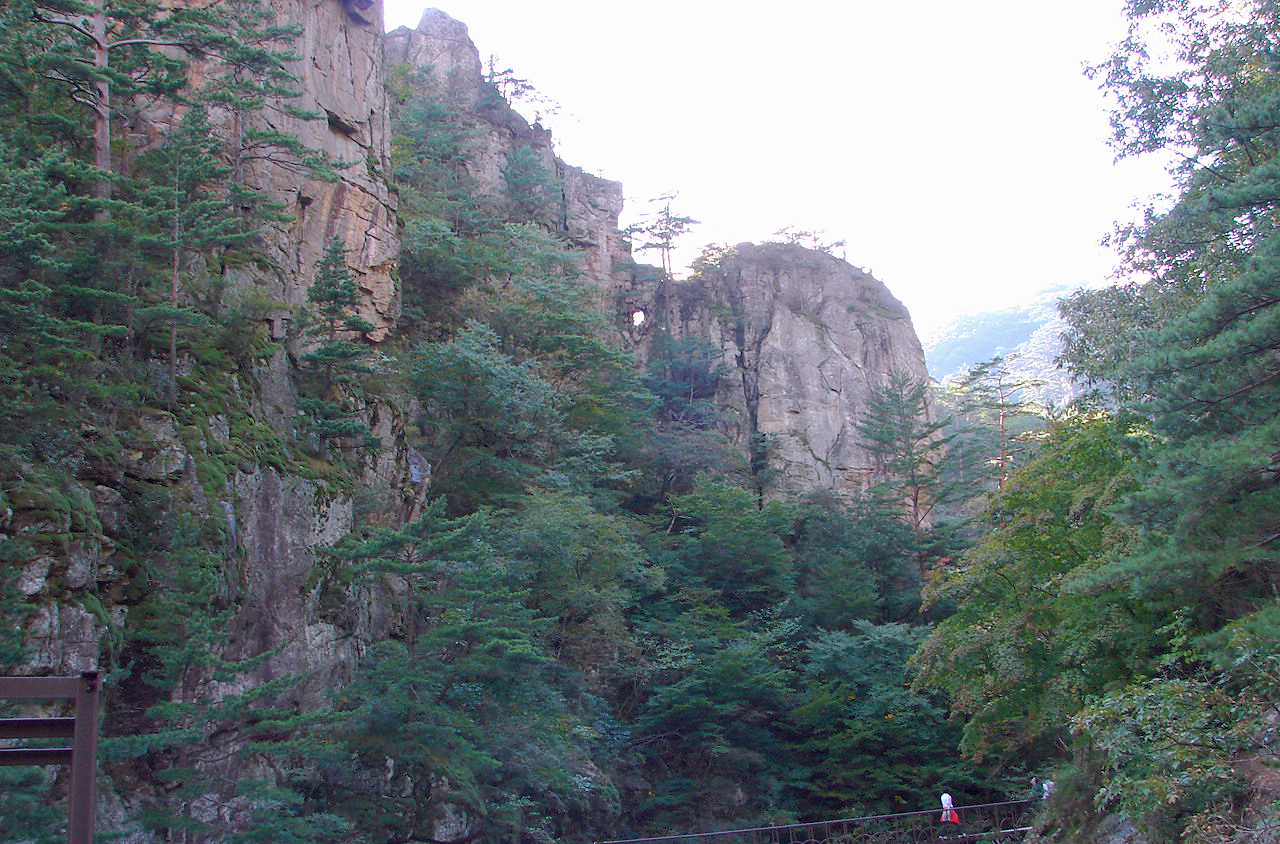




Geography and environment
Gangwon‑do stretches from the land border in the north down to a lengthy eastern shoreline along the Sea of Japan (East Sea). The province borders other regions on the west such as Gyeonggi‑do and lies in the northeastern quadrant of the Korean Peninsula. Much of the interior is rugged, dominated by the Taebaek mountain range; these mountains and extensive forests shape local climate and land use.
Climate, winter sports and tourism
Winters in Gangwon bring frequent snow to higher elevations, and the seasonality of precipitation has helped the region develop a strong winter recreation industry with many ski resorts and mountain trails. The province attracted international attention when several venues in Pyeongchang, the host area for the 2018 Winter Olympics, along with Gangneung and Jeongseon, staged Olympic and Paralympic events. These investments expanded transport links and accommodation, increasing year‑round tourism focused on nature, sports and culture.
Islands, maritime issues and administration
Gangwon includes offshore islands such as Ulleungdo and the small rocky islets of Dokdo (also known by Japan as Takeshima). The sovereignty of Dokdo is disputed between South Korea and Japan; South Korea maintains a small permanent presence, including coastguard and police patrols, to assert administration and manage local fisheries and safety. Two islands of note draw visitors for fishing, scenery and unique ecosystems.
Population, economy and transport
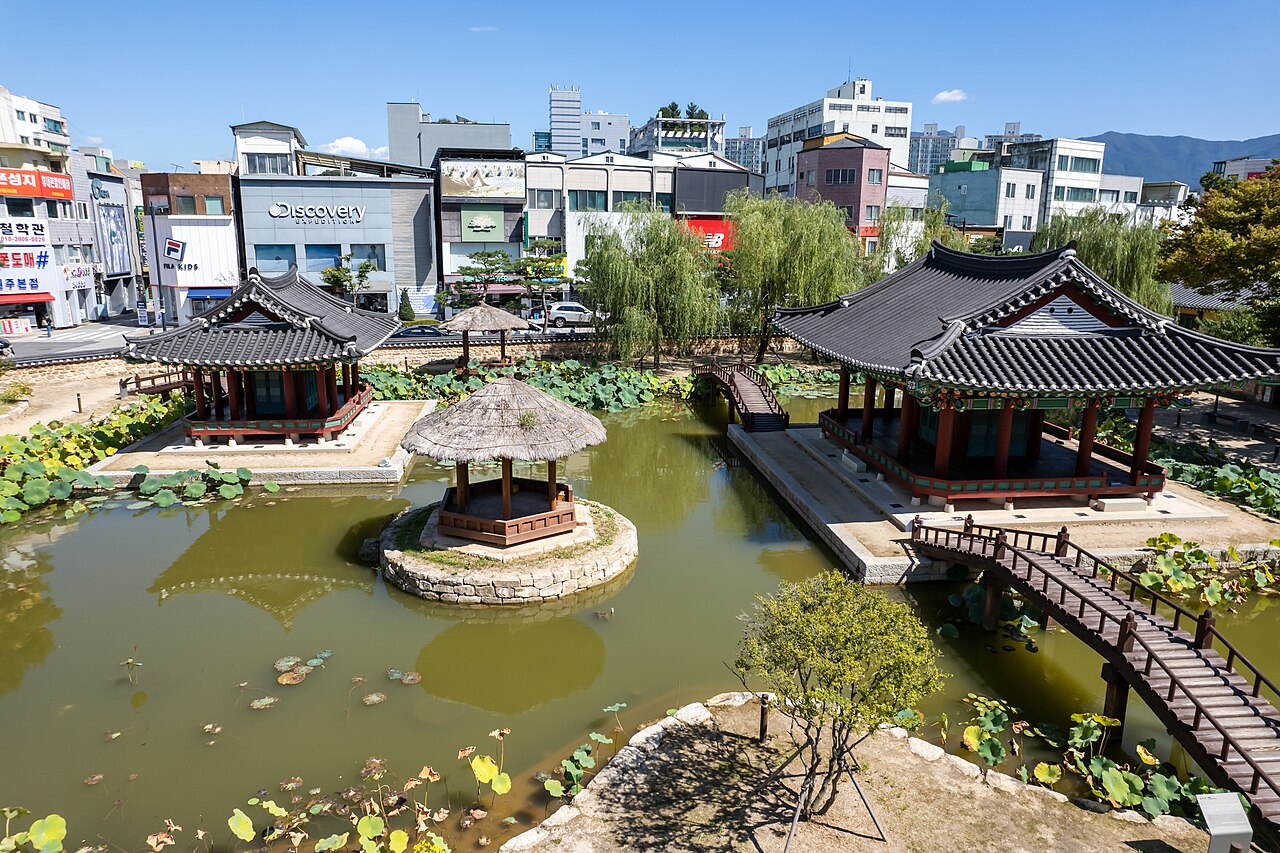
Compared with the densely populated west‑coastal corridor of the peninsula, Gangwon has a lower population density and a mixed economy: agriculture and fisheries along the coast, forestry and mining inland, and a growing tourism and service sector. Key urban centres include Chuncheon, Wonju and Gangneung; a short list of practical connections and facts follows:
- Demographics: population is distributed unevenly, concentrated in valley cities and coastal towns.
- Orientation: the province faces east toward the sea and west toward inland provinces.
- Borders: the northern border meets North Korea, affecting security and development policies.
History and notable features
The region has a long human history linked to Korean states and local clans, with mountain temples, traditional villages and seasonal festivals. Modern history was dramatically affected by the peninsula's mid‑20th century division, leaving a frontier to the North Korean side. Contemporary Gangwon emphasizes conservation of alpine and coastal habitats, winter sports, and cultural tourism. Local authorities and national agencies coordinate law enforcement and resource management, including coastguard and police units that monitor sensitive maritime areas.
Practical information and attractions
Visitors and students of regional planning will find Gangwon useful as an example of a province balancing natural preservation, seasonal tourism and cross‑border realities. Major draws include mountain parks, ski resorts, seaside towns, and the islands. For authoritative maps, administrative details and event archives see provincial and national resources linked here: administrative overview, coastal guide, and local transport timetables available through regional portals such as winter services and snow reports.
Further reading and official pages can be consulted via regional portals: marine affairs, forestry and conservation, mountain parks, ski and resort listings, and cultural information on Chuncheon and other cities. For historical context see materials on Korea's provincial changes and on contemporary border arrangements in the north and local development programs with neighbouring provinces.
Related articles
Author
AlegsaOnline.com Gangwon Province (Gangwon‑do), South Korea Leandro Alegsa
URL: https://en.alegsaonline.com/art/37477
Sources
- commons.wikimedia.org : Gangwon (South Korea)
- english.visitkorea.or.kr : "Introduction of Gangwon-do"
- thesouthkoreatravelguide.com : "Gangwon-do"
- tiq.qld.gov.au : "Congratulatory Letter for the new Governor of Gyeonggi Province, Korea"
- dokdo-takeshima.com : "Dokdo – Takeshima Island"