
Fructose: properties, natural sources, metabolism, and uses
Fructose is a naturally occurring simple sugar found in fruits, honey and many vegetables; it has distinct chemistry and metabolic effects and is widely used as a sweetener in foods.
Overview
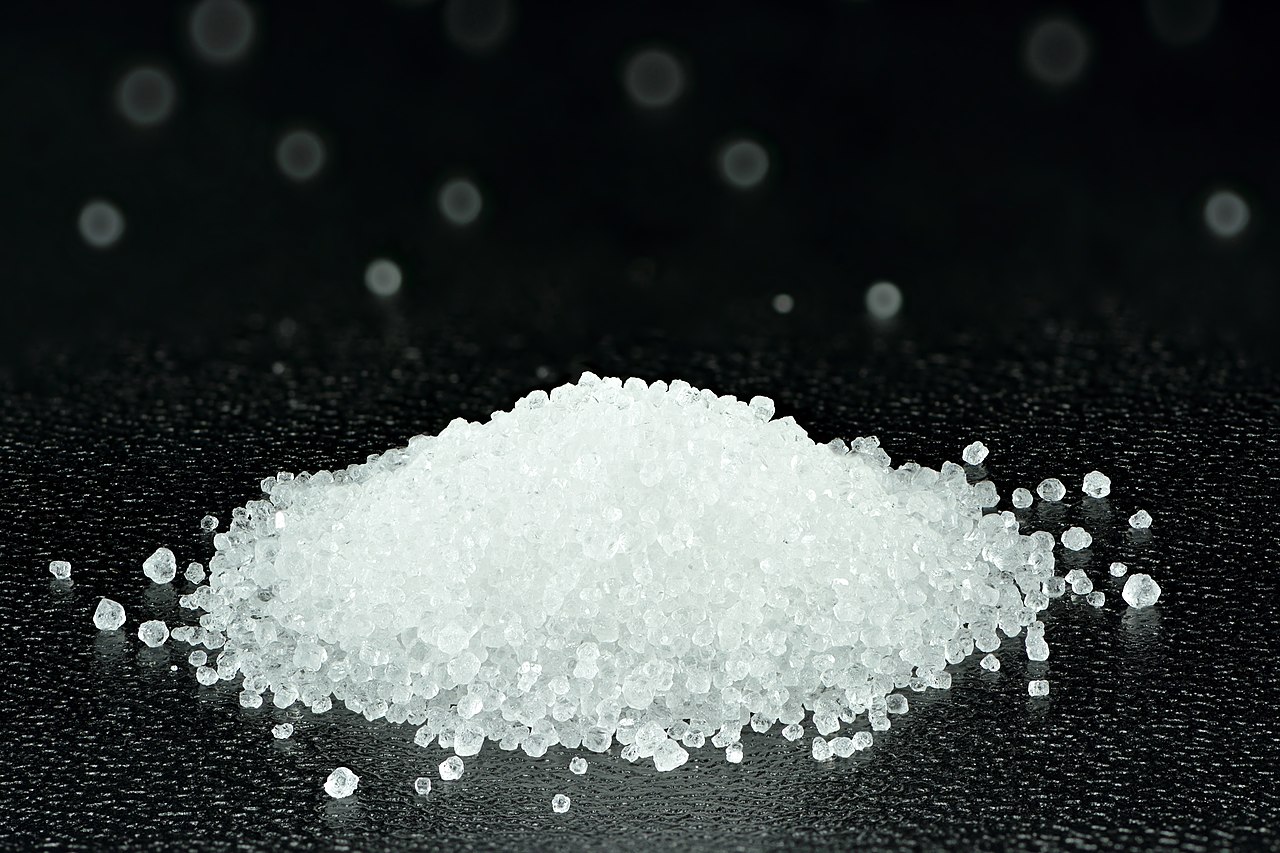
Fructose is a naturally occurring simple sugar and a common monosaccharide in the human diet. It is one of several six-carbon sugars that plants produce during photosynthesis and is prized for its sweet taste. In foods it frequently appears together with other sugars rather than alone.
Image gallery
4 Images


Classification and role among blood sugars
Biologically, fructose is grouped with other simple sugars that circulate or are metabolically relevant in the body. It is often mentioned alongside the other key blood sugars: blood sugars such as glucose and galactose. Fructose differs from glucose in how it is absorbed and processed, which affects blood glucose and insulin responses.
Natural sources
Many plant foods contain fructose, either free or combined with glucose as the disaccharide sucrose. Common dietary sources include:
- Honey — a natural mixture of sugars including fructose.
- Berries — fruits such as strawberries, blueberries and raspberries.
- Melons — including cantaloupe and watermelon varieties.
- Certain root vegetables and tubers such as sweet potatoes, parsnips and onions.
- Most table sugar and many processed foods contain fructose combined with glucose as sucrose.
Chemistry and metabolism
Chemically, fructose is a six-carbon ketose sugar (empirical formula C6H12O6) that is isomeric with glucose. After ingestion it is absorbed in the small intestine and is largely taken up and metabolized by the liver. Unlike glucose, fructose does not directly stimulate strong insulin release; instead it follows distinct hepatic pathways that can influence lipid synthesis and blood metabolites when consumed in excess.
Uses, health considerations and importance
Fructose is widely used in food and beverage manufacture because of its high relative sweetness and ability to enhance flavor. It occurs naturally in fruits and honey, and it is also present in processed sweeteners and syrups. Moderate consumption as part of whole fruits is generally considered part of a healthy diet; however, excessive intake of isolated fructose — from sweetened beverages or concentrated syrups — has been associated with metabolic concerns in some studies. Dietary guidance emphasizes whole food sources, portion control and the context of overall carbohydrate and calorie intake.
Notable distinctions
Key distinctions for readers: fructose is sweeter than glucose on a per‑weight basis; it commonly appears bound to glucose as sucrose; and its metabolic fate is different from that of glucose, which underpins both its culinary uses and the interest in its health effects.
Related articles
Author
AlegsaOnline.com Fructose: properties, natural sources, metabolism, and uses Leandro Alegsa
URL: https://en.alegsaonline.com/art/36851