
Fume hood: laboratory ventilation enclosure for hazardous vapors
A fume hood is a ventilated laboratory enclosure that captures and removes hazardous gases, vapors and aerosols. It reduces exposure, contains accidents, and comes in several designs for different hazards.
Overview
A fume hood is a ventilated enclosure used in chemistry and other laboratories to limit exposure to toxic, odorous, or volatile substances. It creates a controlled flow of air that draws gases and airborne contaminants away from the user and toward an exhaust system. While fume hoods reduce inhalation risk and contain splashes, they are not universal protection for all hazards and must be selected and used appropriately for the work.
Image gallery
8 Images





Design and key components
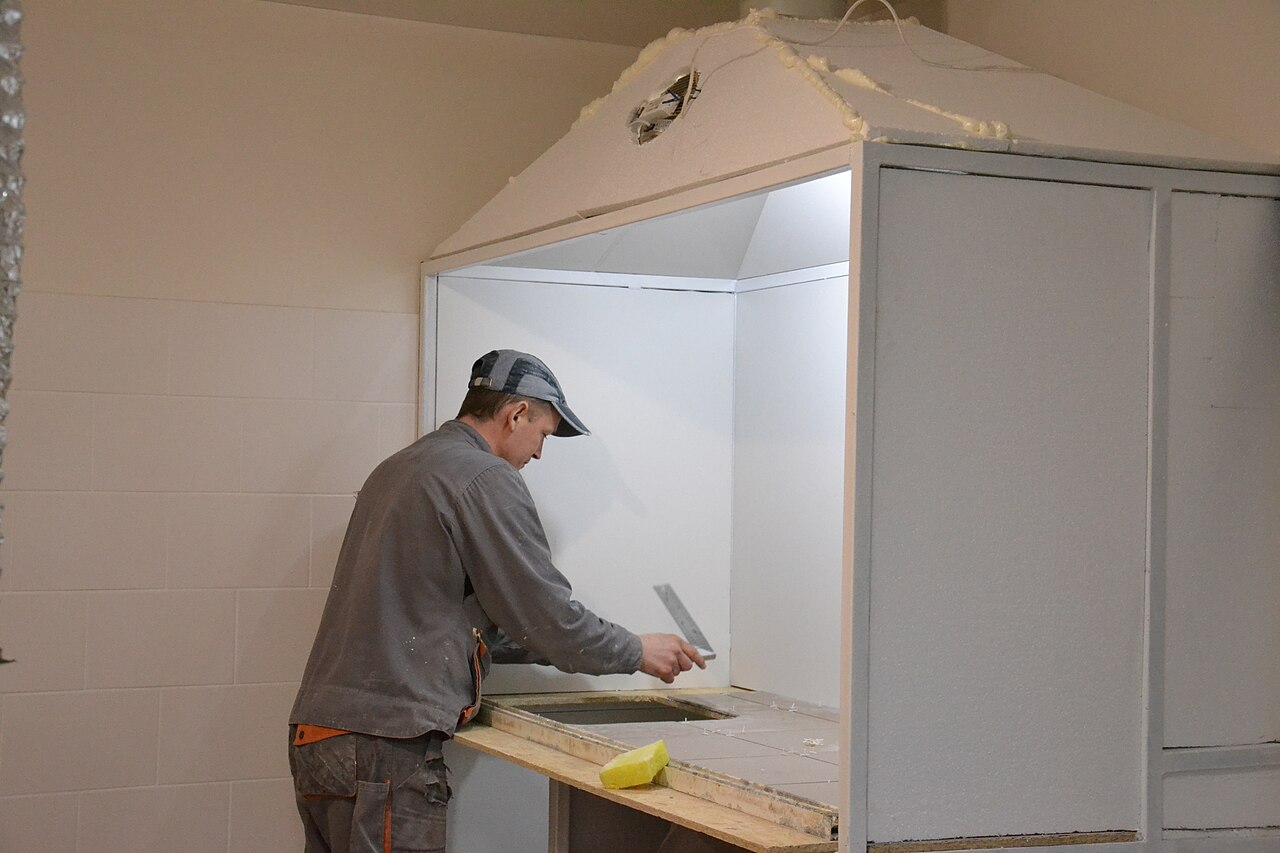
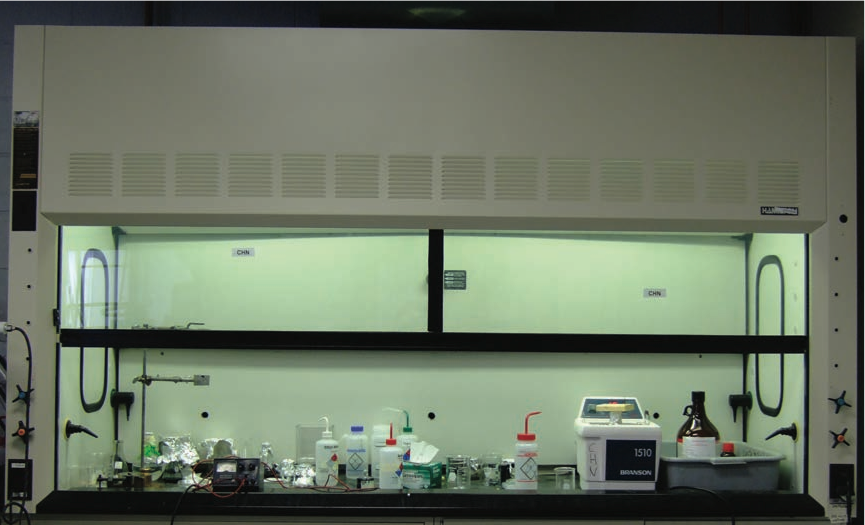
Most fume hoods share several basic parts: a sash (sliding or pivoting transparent window) that provides access and a barrier; an internal work surface and baffles that shape airflow; an exhaust connection and ductwork that remove contaminated air; and a fan or building ventilation system that generates negative pressure. Many units include alarms, airflow monitors, and lighting. Regular certification and filter checks are important for reliable performance.
Types and variations
- Ducted (exhaust) fume hoods: connected to building exhaust and suited for a wide range of hazardous vapors.
- Ductless (filtered) hoods: use sorbent media such as activated carbon or HEPA filters and are limited to specific, well-characterized chemicals; filters must be matched and replaced.
- Specialty enclosures: acid hoods, perchloric acid hoods with wash-down systems, and explosion-resistant models for particular hazards.
Operation, performance and safety
Effective operation depends on proper sash position, stable room airflow, and routine maintenance. Laboratories commonly monitor face velocity — the inward airflow at the sash — to ensure containment; typical recommended target values are often specified by safety authorities and testing protocols. Users should keep the sash at the recommended working height, minimize rapid movements in front of the hood, avoid overcrowding inside the work area, and use splash guards when needed. Fume hoods protect against chemical vapors and fumes but are not substitutes for respiratory protection when concentrations exceed control limits or for biological containment — those require different equipment such as biosafety cabinets.
Uses and limitations
Fume hoods are used for routine chemical reactions, solvent handling, heating and distillation, and any procedure likely to release hazardous vapors. They also mitigate risks from spills and minor explosions by providing a barrier and exhaust. Limitations include reduced effectiveness if filters are saturated (in ductless units), potential capture failure in turbulent room airflows, and the need for trained users. Some processes that generate very reactive or high-pressure hazards demand specialized enclosures beyond a typical laboratory hood.
History, standards and maintenance
The modern fume hood evolved as mechanical ventilation and laboratory safety standards developed during the 20th century. Today its design, testing and use are guided by national and institutional standards that specify performance testing, periodic certification, and inspection intervals. Routine maintenance includes checking airflow, replacing filters in ductless systems, inspecting sash operation and seals, and documenting certification. For general guidance on laboratory ventilation and safe practices see resources for chemical laboratories, standard operating procedures and safety data sheets, and institutional training materials such as laboratory safety programs. Manufacturers and safety organizations provide additional technical references and recommendations (product guidance, testing standards).
Questions and answers
Q: What is a fume hood?
A: A fume hood is a large piece of scientific equipment common to chemistry laboratories that stops a person coming into contact with hazardous fumes.
Q: How does a fume hood work?
A: Fume hoods contain an air pump that sucks fumes away from the person using them.
Q: What purpose does the large glass window on a fume hood serve?
A: The large glass window on a fume hood protects the scientist from splashes of chemicals or explosions that could harm them.
Q: Why are most chemical reactions done inside a fume hood?
A: Most chemical reactions are done inside a fume hood to prevent a person coming into contact with hazardous fumes.
Q: Is a fume hood necessary in a chemistry laboratory?
A: Yes, a fume hood is necessary in a chemistry laboratory to protect the scientist from hazardous fumes.
Q: Is a fume hood only used in chemistry laboratories?
A: A fume hood is primarily used in chemistry laboratories, but it can also be used in other laboratories where hazardous fumes are present.
Q: Can a fume hood prevent all chemical accidents?
A: No, a fume hood cannot prevent all chemical accidents, but it can significantly reduce the risk of harm from hazardous fumes.
Related articles
Author
AlegsaOnline.com Fume hood: laboratory ventilation enclosure for hazardous vapors Leandro Alegsa
URL: https://en.alegsaonline.com/art/37003