
Galactose: structure, metabolism, and biological role
Galactose is a simple sugar related to glucose, commonly released from lactose digestion. This article covers its chemistry, occurrence, metabolic fate in the liver, biological functions, and clinical importance.
Overview
Galactose is a monosaccharide—a simple sugar—closely related to other dietary sugars. Its name derives from the Greek stem γάλακτ– (galakt–), meaning "milk," because it was first recognized as a component of milk sugars. Chemically it is an epimer of glucose, differing only in the arrangement of a single hydroxyl group; see chemical structure descriptions for details. As a free monosaccharide, galactose is rarely abundant in nature on its own; it is typically encountered as part of larger molecules.
Image gallery
4 Images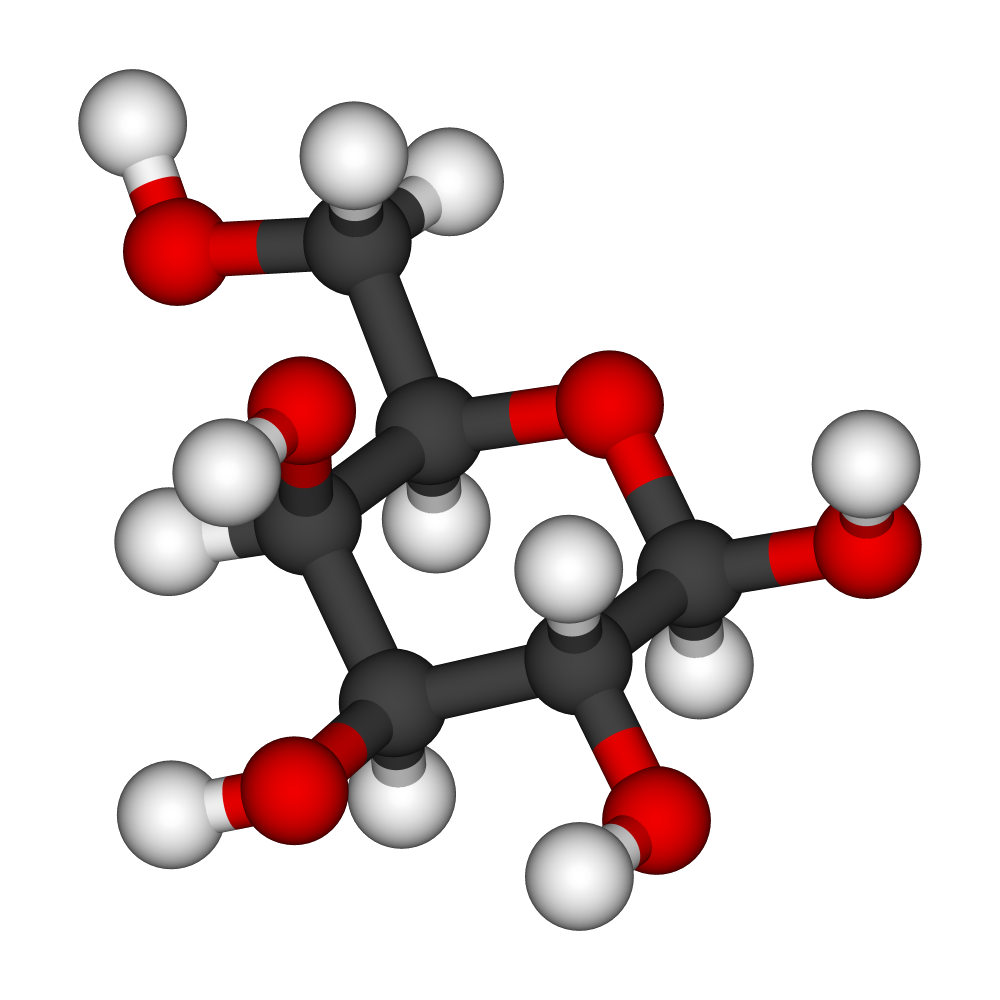


Occurrence and sources
Galactose most commonly appears combined with glucose to form lactose, the disaccharide present in milk and many dairy products. Large quantities of pure galactose are not found freely in the environment; instead the sugar is released by enzymatic breakdown of disaccharides and oligosaccharides in foods. Some fruits, vegetables, and legumes contain galactose units within complex carbohydrates and glycoconjugates.
Metabolism and physiological fate
After ingestion, lactose is split by intestinal lactase during digestion, freeing glucose and galactose. Following absorption from the gut, galactose is transported to the liver, the main site where it is processed. In hepatocytes galactose is converted to glucose derivatives through the Leloir pathway and related steps and can be transformed into glycogen or enter general carbohydrate metabolism for energy.
Key characteristics and biological roles
Galactose serves several roles beyond energy metabolism. It is a structural component of glycolipids and glycoproteins on cell surfaces, contributing to cell recognition and signaling. The sugar's stereochemistry—an epimeric relationship with glucose—affects how enzymes recognize and process it. In humans, specific enzymes are required to phosphorylate and convert galactose into forms usable in central metabolic pathways.
Clinical relevance and notable distinctions
Defects in galactose metabolism can lead to inborn errors such as galactosemia, a condition in which toxic intermediates accumulate and can damage the liver, brain, and eyes if untreated. Because free galactose is uncommon in foods, clinical issues typically arise from inability to process lactose-derived galactose. Distinguishing galactose from glucose chemically and physiologically is important in diagnostics, nutrition, and therapeutic planning.
Applications and examples
In laboratory and industrial contexts, galactose and galactose-containing oligosaccharides are used in biochemical research studying glycosylation and cell-surface interactions, and in the food industry when modifying dairy products. Examples of typical metabolic steps include:
- Hydrolysis of lactose in the intestine to yield galactose and glucose.
- Absorption of monosaccharides across the intestinal epithelium.
- Hepatic conversion of galactose into glucose-1-phosphate and further into glycogen or glycolytic intermediates.
For further reading on terminology, structure, metabolism, digestion, and related topics use these links: sugars overview, chemical structure, glucose relation, occurrence notes, lactose, milk, digestion, absorption, liver metabolism, glycogen.
Related articles
Author
AlegsaOnline.com Galactose: structure, metabolism, and biological role Leandro Alegsa
URL: https://en.alegsaonline.com/art/37246
Sources
- gestis-en.itrust.de : Record