
Sucrose (table sugar): structure, sources, uses, and health
Sucrose, commonly called table sugar or saccharose, is a plant-derived disaccharide of glucose and fructose used as a sweetener, preservative, and energy source; it has distinctive chemical and nutritional properties.
Overview
Sucrose, often known as table sugar or saccharose, is a common dietary carbohydrate consumed worldwide. Chemically it is a disaccharide composed of one molecule of glucose and one of fructose, with the molecular formula C12H22O11. Its systematic name is α-D-glucopyranosyl-(1→2)-β-D-fructofuranose. In human diets and industrial foods it is valued for sweetness, texture, and preservation.
Image gallery
8 Images


Structure and properties
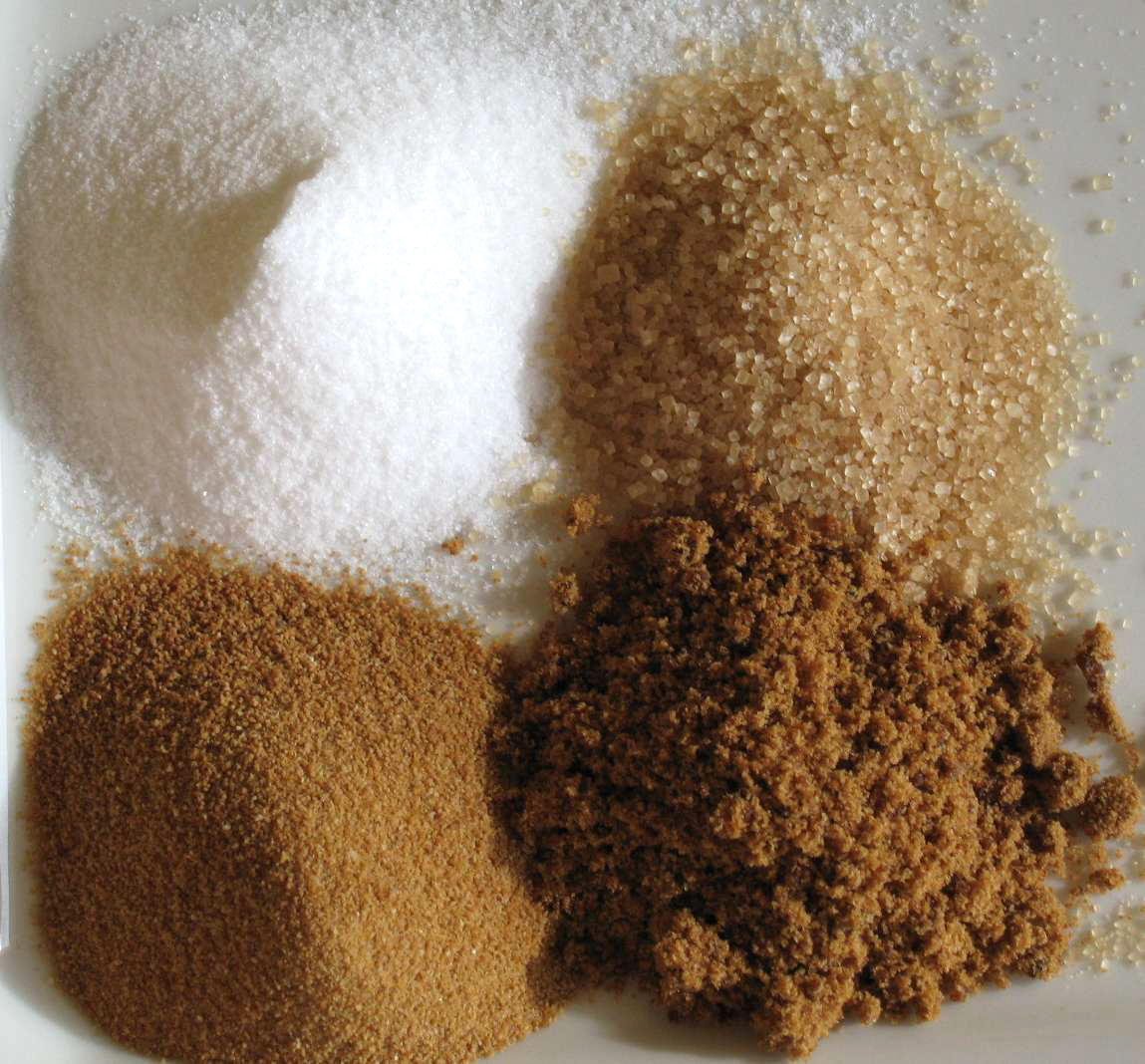
The glucose and fructose units in sucrose are linked by an α(1→2)β glycosidic bond, a connection that makes sucrose a non-reducing sugar. It appears as white, crystalline granules that dissolve readily in water and caramelize when heated. Enzymes such as sucrase (also called invertase) cleave the bond during digestion or processing, producing a mixture of glucose and fructose often termed invert sugar, which has different sweetness and browning behavior.
Occurrence and production
Sucrose is synthesized by green plants and serves as a primary transport form of carbohydrates in the phloem. Major commercial sources are sugarcane and sugar beet, from which sucrose is extracted, clarified, and crystallized on an industrial scale. While plants produce and export sucrose, animals and other higher organisms typically do not synthesize it; they obtain it from dietary sources and break it down into monosaccharides for metabolism.
Uses and examples
Sucrose has broad applications:
- Food and beverage sweetening, baking, and confectionery, where it contributes sweetness, bulk, and texture.
- Preservation and pickling, where high concentrations of sugar inhibit microbial growth.
- Fermentation feedstock for producing ethanol and other bioproducts.
- Pharmaceuticals and cosmetics, where it can mask flavors or stabilize formulations.
History and industrial development
Humans have refined sucrose from plant sources for many centuries, gradually developing methods to extract and crystallize it from stems and roots. Over time, processing technologies and global trade made refined sucrose widely available, shaping cuisines and economies. Today, both traditional cane refining and beet sugar processing coexist as the main industrial routes.
Health, distinctions, and notable facts
Sucrose provides a dense source of dietary energy but offers little micronutrient value by itself. Excessive intake is associated with dental caries and is implicated in broader public health discussions about obesity and metabolic disease, so health guidance emphasizes moderation. Chemically and nutritionally, sucrose differs from simple monosaccharides and other disaccharides such as lactose or maltose; it must be hydrolyzed before its component sugars are absorbed. For further technical details see links on carbohydrate chemistry and plant metabolism: plant sucrose production, animal carbohydrate handling.
Related articles
Author
AlegsaOnline.com Sucrose (table sugar): structure, sources, uses, and health Leandro Alegsa
URL: https://en.alegsaonline.com/art/94562