
Flying ace (fighter ace)
A flying ace is a military pilot credited with shooting down five or more enemy aircraft. The term originated in World War I and became both a technical benchmark and a cultural symbol of aerial combat prowess.
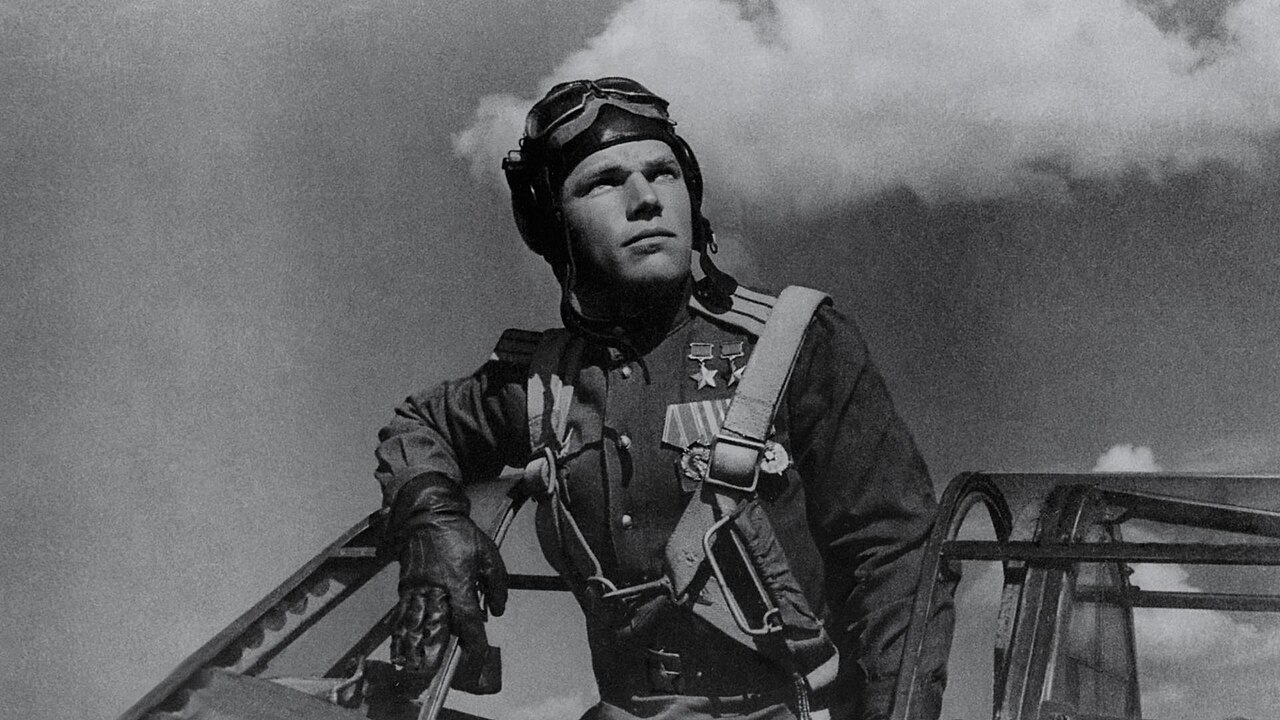
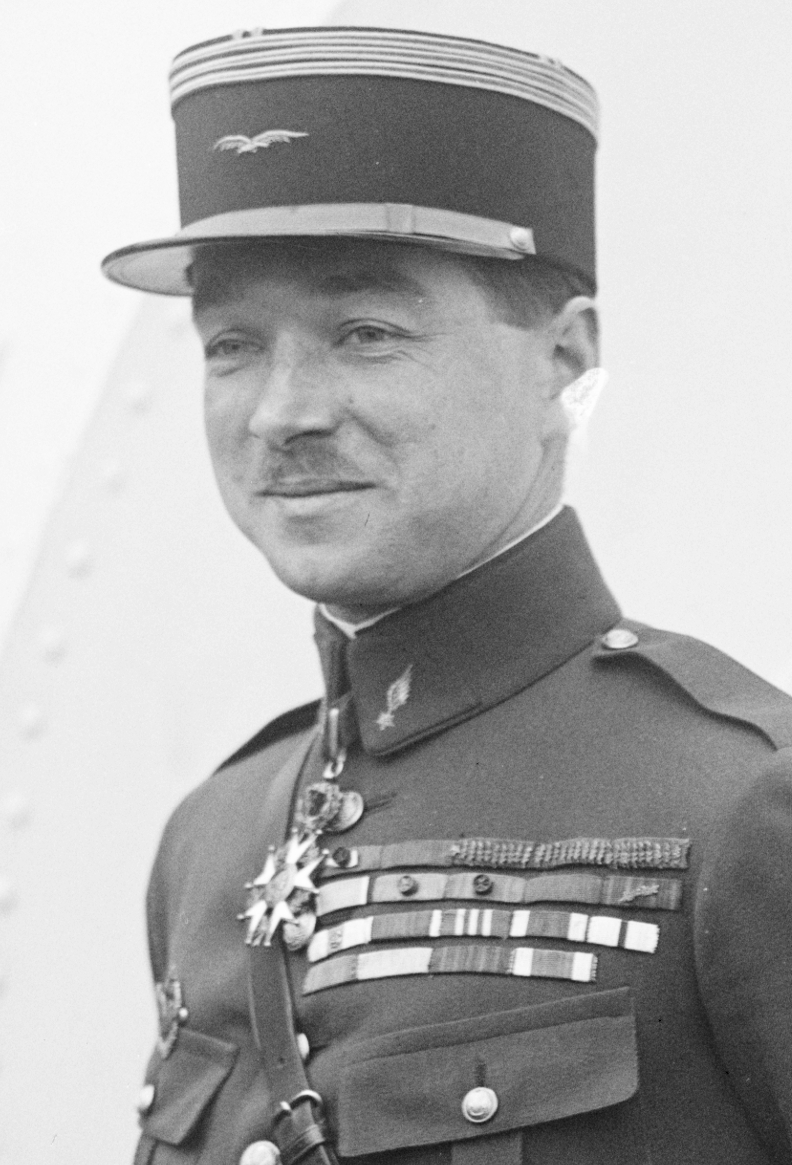
A flying ace (or fighter ace) is a military aviator credited with destroying a specified number of enemy aircraft in air-to-air combat. In most traditions the familiar benchmark is five or more confirmed victories, though standards and counting methods have varied widely by nation and period. The phrase combines a quantitative measure of combat success with an informal status that emphasizes individual skill, tactical experience, and often public recognition.
Image gallery
10 Images





Criteria and confirmation
Not every claimed shootdown becomes an accepted victory. Air services developed formal systems for confirmation that could include witness reports, intervention by wingmen, ground observation of wreckage, gun-camera or sensor footage, and examination of battle damage. Some forces credited shared victories by dividing a kill among participants, while others awarded whole credits to one individual. Services also differed in whether they counted aircraft destroyed on the ground, probables, or damaged aircraft toward an ace total. Because of these differences, totals are not always strictly comparable between countries or campaigns.
History and development
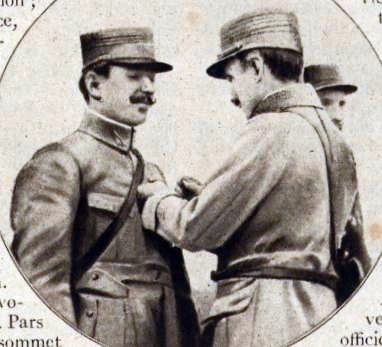
The term "ace" arose in World War I, when newspapers in France and other countries celebrated pilots who achieved repeated aerial successes. Early public attention focused on pilots such as Adolphe Pégoud, who was dubbed an as (French for "ace") after several victories. The label spread rapidly as air combat became an important element of modern warfare; press coverage and military publicity turned a handful of pilots into national celebrities. Over the course of World War II and the jet age, lists of aces expanded, record-keeping improved, and the nature of aerial combat changed with technologies such as radar, guided missiles, and beyond-visual-range engagements.
Notable examples
Some aces attained very high tallies and enduring fame. The German fighter Manfred von Richthofen, often known as the "Red Baron," is widely cited for his conspicuous record of victories. Among the highest-scoring pilots is the German ace Erich Hartmann, commonly credited with the most aerial victories. Many other nations produced top scorers who are the subjects of biographies, tactical studies, and historical debate.
Roles, training and tactical impact
Aces often had roles beyond scoring kills. Their combat experience influenced tactics, unit training, and leadership practices. Skilled pilots tested maneuvers, refined gunnery and formation techniques, and sometimes served as instructors or squadron leaders. Militaries used celebrated aces in recruitment and propaganda, presenting them as exemplars of courage and national skill. The popularity of the ace combined admiration for aerial skill with the wartime need to humanize and dramatize conflict.
Controversies and interpretation
Because of differing confirmation rules, propaganda pressures, and the fog of war, ace statistics are sometimes disputed. Historians and researchers compare unit records, combat reports, and enemy loss records to assess accuracy. Some modern studies caution against treating raw tallies as direct measures of individual effectiveness without context about operational tempo, theater of operations, and the type of opponents faced.
Extensions and modern context
The "ace" concept has been applied informally to other combat roles, such as tank commanders credited with multiple vehicle kills, sometimes called "tank aces." In contemporary air combat, the rise of sensors, networked weapons, and beyond-visual-range engagements means that single-pilot visual dogfights are less common; the traditional ace tally has therefore declined in prominence as a practical metric, though it remains an important historical category.
Further reading and related topics
- General military histories and service manuals provide rules and context for recording victories; see representative military sources.
- Biographical articles and unit histories cover early figures from World War I and later conflicts.
- Press accounts and contemporary publicity explain how newspapers and magazines, including press outlets, shaped the public image of aces.
- Specialized studies examine the technology and tactics of air combat and how sensors and cameras altered confirmation methods.
- Entries on individual aviators discuss lives and records of pilots such as Adolphe Pégoud, Manfred von Richthofen, and Erich Hartmann.
For topical connections, see articles on the role of the pilot in military aviation, the classification and types of aircraft, and broader studies of military aviation as a cultural and technical field. National records and archival material provide source data for researchers exploring disputes over totals and the cultural role of aces in wartime memory; consult national archives and unit repositories for primary documents (national records).
The flying ace remains a durable historical concept: both a technical shorthand for aerial victory and a cultural emblem of individual skill in the history of air warfare. Scholarly work continues to refine how ace figures should be interpreted in light of differing national practices and changing technology.
Related articles
Author
AlegsaOnline.com Flying ace (fighter ace) Leandro Alegsa
URL: https://en.alegsaonline.com/art/35304